Leg Pain During Period: Why It Happens and What Helps


Quick answer: why you get leg pain during your period
Leg pain during your period usually happens because period cramps spread from your tummy to your lower back and thighs. Period pain can spread to the thighs, and it usually lasts up to 3 days.
See a doctor if the pain stops your usual activities, is getting worse, or comes with pain during sex or when you poo or pee. Get urgent help if one leg is painful and swollen, or if leg pain comes with chest pain or shortness of breath.
Why does period pain go down to my thighs?
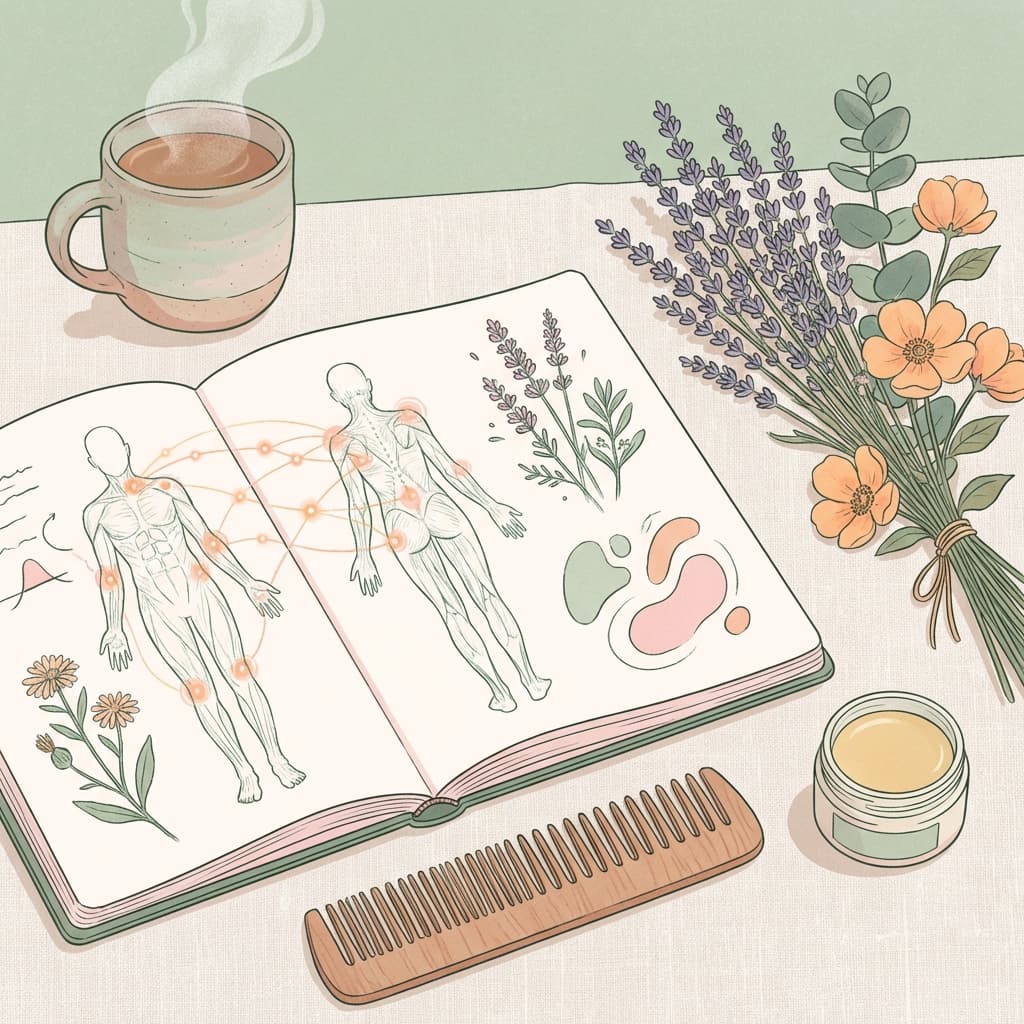
Period pain starts in the womb. The lining of the womb makes chemicals called prostaglandins, which cause the muscles and blood vessels of the womb to contract. These contractions cause the cramps. The cramps can spread from the tummy to the back and thighs, so an ache in the thighs is a common part of period pain.
Pain or discomfort before or during your period is common too. A thigh ache that comes with your cramps and fades as they ease usually fits this pattern.
Why the pain can be worse some months
Prostaglandin levels are high on the first day of a period and go down as bleeding continues. This is why cramps, and the leg pain that comes with them, are often worst at the start of a period. Anti-inflammatory painkillers (NSAIDs) such as ibuprofen reduce the prostaglandins the body makes. They work best if you take them at the first sign of your period or pain.
Muscle tension
Pelvic muscle spasms are among the causes of long-term pelvic pain. Tender spots in a muscle, called trigger points, can cause pain in nearby areas of the body. If leg or pelvic pain lasts beyond your period, ask your doctor whether your muscles play a part.
When leg pain during your period can mean something else
Endometriosis
In endometriosis, tissue similar to the lining of the womb grows in other places, often the ovaries, the fallopian tubes, and the lining of the pelvis. Severe period pain, pain in the lower tummy and back, pain during or after sex, and pain when you poo or pee are among the symptoms of endometriosis. Leg pain is not one of them. Leg pain together with these symptoms is still worth raising with a doctor. In rare cases endometriosis affects a nerve to the leg, as explained under endometriosis on the sciatic nerve.
Adenomyosis
In adenomyosis, the lining of the womb grows into the muscle wall of the womb. It can cause heavy, painful periods. If your leg pain comes with periods that are getting heavier and more painful, ask your doctor about it.
Sciatica
Sciatica is pain from an irritated sciatic nerve. It usually affects the bottom and the back of one leg, often down to the foot and toes. It can feel like a sharp, burning pain, with tingling, numbness, or weakness. Period pain that spreads to the thighs comes and goes with your cramps instead. If the ache sits mostly in your buttocks, see why your butt hurts on your period.
Endometriosis on the sciatic nerve
In rare cases, endometriosis grows on a nerve, most often the sciatic nerve or the nerves that join it in the pelvis. A typical sign is sciatica that comes around your period each month. The symptoms are usually on one side. They can include:
- Pain in the hip, leg or pelvis
- Numbness or tingling in the leg
- Weakness in the leg, or trouble walking
Without treatment, the pain can become constant within one to three years, and nerve damage can follow. An MRI scan is the main test for it. In the reported cases, surgery to remove the endometriosis improved pain and quality of life.
If your leg pain follows your cycle and you have numbness or weakness, tell your doctor about both. Mark the cycle day each time the leg pain starts. These details help a doctor tell a back problem from pelvic nerve pain:
- "It's a burning feeling from my lower back to my heel."
- "The pain is worst during the first three days of my period."
- "My toes go numb when I have bad cramps."
Leg cramps
A leg cramp is a muscle that suddenly tightens and makes it hard to move. Cramps are common, usually harmless, and last from a few seconds to 10 minutes. They most often affect the calf, and less often the feet or thighs.
When to get urgent help
Leg pain during your period is rarely an emergency. A blood clot is the exception to know about. Symptoms of a deep vein thrombosis (DVT) include:
- Throbbing pain in one leg, usually in the calf or thigh
- Swelling in one leg
- Red, blue, or darkened skin around the painful area
- Swollen veins
Ask for an urgent appointment if you think you have DVT. Call emergency services if you also have chest pain or shortness of breath, because the clot may have moved to your lungs. The combined contraceptive pill is among the things that make DVT more likely.
Get emergency help also if you have leg pain with weakness or numbness in both legs, numbness around your genitals or bottom, or you cannot control when you pee or poo. These are signs of a serious nerve problem.
Contact your doctor or a nurse urgently if your period pain is severe or worse than usual and painkillers have not helped.
What helps leg pain during your period
These all help with period pain:
- Painkillers such as ibuprofen or paracetamol. Check with a pharmacist if you are not sure they are safe for you.
- Heat. A heat pad or hot water bottle wrapped in a tea towel, or a warm bath or shower.
- Gentle exercise such as walking, swimming, cycling, or yoga.
- Massage of your tummy and back.
If period pain is severe, a GP may suggest stronger anti-inflammatory medicines, a TENS machine, or contraception such as the pill, implant, or injection. These thin the womb lining, which makes periods lighter and eases the pain.
Tracking leg pain with your cycle
A record over two or three cycles shows whether your leg pain follows your period. Note:
- The cycle day, and whether you are bleeding
- Where the pain is: front, back, or inside of the thigh, one leg or both
- How it feels: ache, cramp, burning, or tingling
- How bad it is, and what it stopped you doing
- What else came with it, such as pelvic pain, back pain, or bowel symptoms
- What helped
The Endolog symptom tracker app lets you log pain by body location alongside your cycle and export the record for your doctor.
When to see a doctor
See a doctor if:
- Leg pain stops you from doing your usual activities
- Your period pain is getting worse
- You also have pain during sex, or when you poo or pee
- Your periods are getting heavier or more irregular
- The pain is in one leg, runs down the back of the leg, or comes with numbness or weakness
- Leg cramps disturb your sleep or last longer than 10 minutes
FAQ: leg pain during your period
Is it normal for period pain to go down your legs?
Yes. Period cramps can spread to the back and thighs. An ache that comes with your cramps and fades as they ease is common.
Why do my thighs hurt on my period?
Prostaglandins make the womb contract, which causes cramps. These cramps can spread to the thighs. The ache is often worst on the first day, when prostaglandin levels are highest.
Can endometriosis cause leg pain?
The NHS does not list leg pain as a symptom of endometriosis. If leg pain comes with severe period pain, pain during sex, or pain when you poo or pee, talk to a doctor about endometriosis. In rare cases, endometriosis on the sciatic nerve causes leg pain that comes back around each period.
When should I worry about leg pain during my period?
Get urgent help if one leg is painful and swollen, or if you have chest pain or shortness of breath. See a doctor if the pain is getting worse, stops your usual activities, or comes with numbness or weakness.
Related articles
Sources
- Period pain, NHS
- Dysmenorrhea: Painful Periods, American College of Obstetricians and Gynecologists (ACOG)
- Chronic Pelvic Pain, American College of Obstetricians and Gynecologists (ACOG)
- Endometriosis, NHS
- Adenomyosis, NHS
- Sciatica, NHS
- Leg cramps, NHS
- DVT (deep vein thrombosis), NHS
- Extragenital Endometriosis in the Differential Diagnosis of Non-Gynecological Diseases (Lukac S et al. Deutsches Ärzteblatt International, 2022), PubMed Central
This article is general information, not medical advice. Read how we write and check our articles in our editorial policy.
Explore this topic
Related articles
October 17, 2026
Endometriosis in Teens: Signs Not to Dismiss and What to Do
Endometriosis in teens is real and often missed. Learn the signs that need a doctor, how it is diagnosed, first treatments and what to track for a visit.
October 6, 2026
Ibuprofen or Naproxen for Period Cramps: Which and When
Ibuprofen for period cramps works about as well as naproxen. See how often to take each, when to start, who should avoid them and when to see a doctor.

October 5, 2026
Heating Pads for Endometriosis and Period Pain: Safe Use
How to use a heating pad for endometriosis and period pain: how hot, how long, where to put it, why not to sleep on it, heat rash, and when to see a doctor.
October 4, 2026
Cramps After Your Period: Causes and When to Worry
Cramps after period ends can be leftover womb cramps or ovulation, or a sign of endometriosis, a cyst or infection. Learn the causes and when to worry.
October 3, 2026
What Helps With Period Cramps? Options With Evidence
What helps with period cramps: anti-inflammatory painkillers taken early, heat, exercise and hormonal birth control. See the evidence and when to get help.
September 30, 2026
Dizziness During Your Period: Causes and Red Flags
Dizziness during your period often comes from pain, heavy bleeding, low iron or too little food and water. Learn what helps and which signs are urgent.
