Do I Have Endometriosis? Take This Science-Backed Symptom Assessment


You've been Googling your symptoms at 2am during another painful flare. Your periods are getting worse. Sex hurts. You're exhausted all the time, and your doctor keeps suggesting stress or IBS.
You're not imagining it.
The average endometriosis diagnosis takes 7-10 years. The medical system systematically dismisses pelvic pain in women as "normal period cramps" until the evidence becomes undeniable.
This guide helps you recognize endometriosis symptoms and document them in a way that doctors can't ignore.
Why self-assessment matters
Endometriosis affects 190 million women globally, yet most wait nearly a decade for diagnosis. Medical gaslighting causes this delay.
Women report being told their pain is normal, that they're overreacting, or that they should just take ibuprofen and relax. Meanwhile, the disease progresses.
A structured symptom assessment serves two purposes. First, it validates your experience against medical criteria. Second, it gives you concrete data to bring to your doctor. When you walk into an appointment with documented symptoms instead of vague complaints about "bad periods," the conversation changes.
The cardinal symptoms checklist
Check any symptoms you experience regularly (at least once per menstrual cycle or persistently):
Pain symptoms
- Dysmenorrhea - Period pain that interferes with daily activities, requires prescription-strength medication, or causes you to miss work/school
- Chronic pelvic pain - Pain in your lower abdomen or pelvis that lasts for six months or more, whether or not you're menstruating
- Dyspareunia - Pain during penetrative sex, particularly deep penetration
- Dyschezia - Painful bowel movements, especially during your period
- Dysuria - Painful or difficult urination during menstrual periods
Bleeding & cycle symptoms
- Heavy menstrual bleeding - Soaking through a pad or tampon every hour, passing large clots (bigger than a quarter), or bleeding that lasts longer than 7 days
- Irregular cycles - Unpredictable periods, spotting between periods, or cycles shorter than 21 days or longer than 35 days
Gastrointestinal & urinary symptoms
- Cyclical digestive issues - Bloating, diarrhea, constipation, or nausea that worsens during your period
- "Endo belly" - Severe abdominal bloating that makes you look pregnant
- Bladder symptoms - Frequent urination, urgency, or recurring negative UTI tests with ongoing symptoms
Systemic & referred pain
- Chronic fatigue - Exhaustion that doesn't improve with rest and worsens during your period
- Lower back pain - Radiating pain during menstruation
- Leg pain - Sciatic-type pain, numbness, or weakness in your thighs or legs
- Shoulder or chest pain - Especially if it worsens with your period (may indicate diaphragmatic endometriosis)
Fertility & reproductive health
- Infertility - Difficulty conceiving after 12+ months of trying (6+ months if over 35)
- Painful ovulation - Mid-cycle cramping, nausea, or spotting

Red flags that demand immediate attention
Some symptom patterns indicate severe disease or complications. Seek medical evaluation urgently if you experience:
- Pain so severe you vomit, faint, or can't stand upright
- Sudden, sharp abdominal pain (may indicate ruptured cyst)
- Blood in your stool or urine during your period
- Difficulty breathing or shoulder pain that worsens when lying down (possible diaphragmatic involvement)
- Fever combined with pelvic pain
- Unexplained weight loss with digestive symptoms
How many symptoms point to endometriosis?
There's no magic number, but research shows clear patterns. If you checked:
1-2 symptoms - Could be endometriosis, especially if symptoms are severe or worsening. Track them for three months before your doctor visit.
3-5 symptoms - Strong indication, particularly if you have dysmenorrhea plus other symptoms. Many women with mild-to-moderate disease fall into this range.
6+ symptoms - Very likely endometriosis, possibly advanced disease. Document everything and push for specialist referral.
Pain severity and symptom count don't align. One woman with Stage 4 disease might have only moderate period pain and fatigue. Another with Stage 1 disease might experience debilitating pain from a single deep lesion. The staging system measures disease extent, not symptom severity.
Using assessment tools effectively
Several validated tools can help you evaluate your symptoms:
Endolog's Symptom Quiz - Our evidence-based questionnaire evaluates your symptoms against current diagnostic criteria. Takes 5 minutes and generates a summary you can save or share with your doctor.
NHS Endometriosis Diagnosis Toolkit - Developed by the UK's National Health Service, this comprehensive PDF includes symptom checklists, quality of life assessments, and guidance on next steps.
Endometriosis.org Symptom Tracker - The Endometriosis Foundation of America provides downloadable symptom diaries designed specifically for this condition.
These tools work best when you complete them during different phases of your cycle. Your symptoms likely fluctuate, and doctors need to see the full picture.
What to do with your results
Endometriosis can only be definitively confirmed through laparoscopy with biopsy. A structured assessment gives you evidence to start that diagnostic process.
Here's how to use your results:
Print or screenshot everything. Doctors respond better to documented symptoms than verbal descriptions. Bring physical evidence to your appointment.
Request a specialist referral. General gynecologists often lack endometriosis expertise. Ask specifically for a referral to a gynecologist who specializes in endometriosis or a reproductive endocrinologist.
Be specific about impact. Don't say "my periods are painful." Say "I miss 2-3 days of work per month due to pain that requires prescription medication." Quantify the impact on your life.
Don't accept dismissal. If your doctor minimizes your symptoms, you can say this verbatim: "I've documented these symptoms for three months. I'd like to discuss endometriosis as a potential diagnosis. If you don't feel qualified to evaluate this, I need a referral to someone who specializes in pelvic pain."
The critical gap between assessment and diagnosis
Self-assessment identifies symptoms. Medical diagnosis requires pattern recognition across multiple cycles. Does your pain correlate with your menstrual cycle? Do certain symptoms cluster together? How do symptoms respond to different interventions?
Single assessments capture snapshots. Endometriosis diagnosis needs longitudinal data from consistent tracking over weeks and months.
Why tracking matters more than assessment
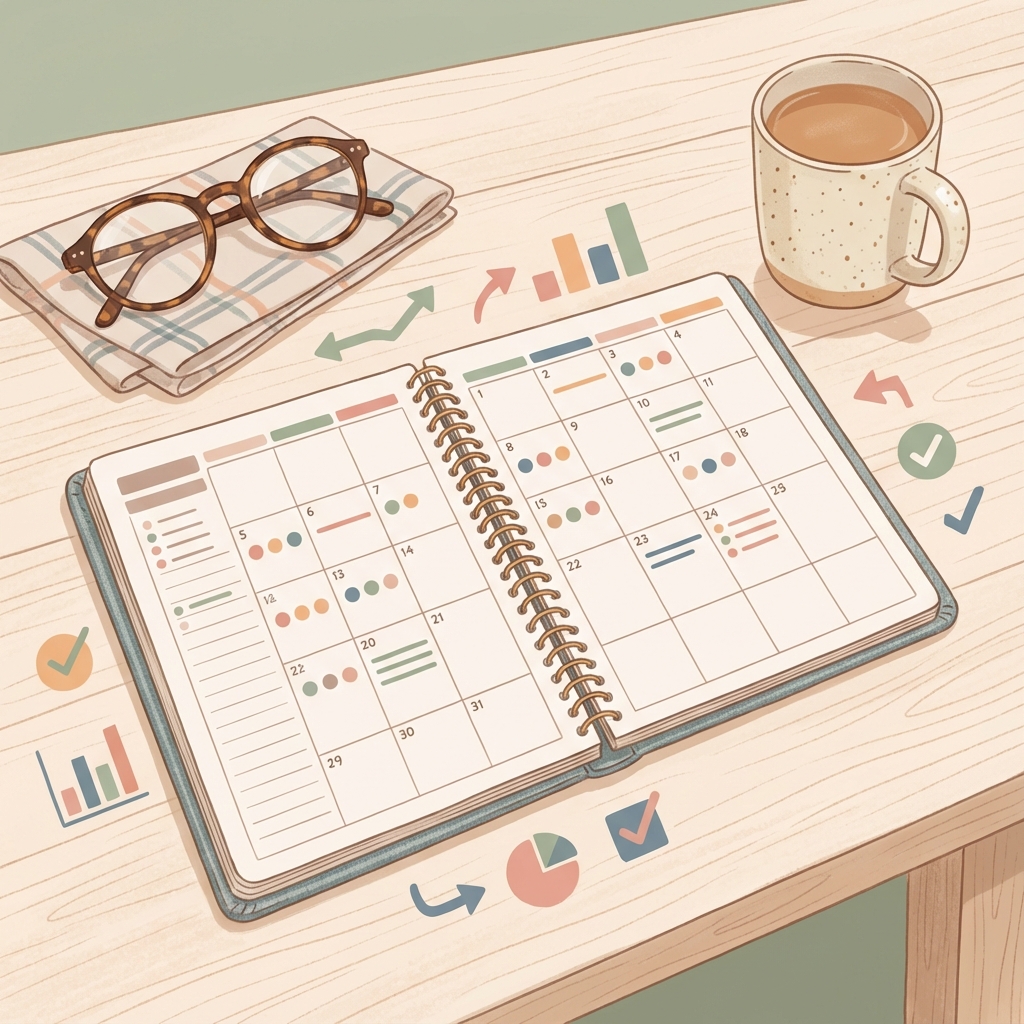
"I have pelvic pain" gets dismissed. "I have 7/10 pelvic pain for 3-5 days during menstruation, worsening with bowel movements, occurring for the past 8 months" becomes medical evidence.
The difference comes from tracking details: when, how often, how severely, and what triggers your symptoms.
Apps like Endolog transform vague symptom complaints into concrete medical data. You track pain intensity, location, timing, and associated symptoms. Over time, patterns emerge. The app generates PDF reports showing these patterns in a format doctors actually use.
Three months of tracked data showing severe dysmenorrhea, cyclical digestive issues, and documented pain scores becomes proof your doctor can see.
Track your symptoms for at least two complete menstrual cycles before your specialist appointment. Document:
- Pain levels (0-10 scale) and locations using body mapping
- Timing relative to your cycle
- Impact on daily activities (missed work, canceled plans)
- Medications taken and their effectiveness
- Associated symptoms (fatigue, nausea, digestive issues)
This creates a medical narrative your doctor can't ignore.
What happens next
After confirming your symptoms match endometriosis patterns, you face a healthcare system designed to delay and dismiss. Here's how to navigate it:
Get imaging. Request a transvaginal ultrasound and, if possible, an MRI. These can detect endometriomas (chocolate cysts) and deep infiltrating disease, though they miss superficial lesions.
Know the staging system. Endometriosis is classified as Stage I (minimal) through Stage IV (severe) based on lesion location and extent. Stage doesn't correlate with pain severity.
Understand that laparoscopy is still the gold standard. Imaging helps, but only surgical visualization with biopsy confirms diagnosis. Conservative treatment (hormonal suppression) without surgical diagnosis is increasingly common and can be appropriate.
Find an excision specialist. If surgery becomes necessary, excision (cutting out lesions) by a specialist offers better outcomes than ablation (burning). The success rate and recurrence risk differ dramatically.
Start tracking now. Whether or not you pursue immediate diagnosis, documented symptoms create a medical record. If your disease progresses or treatment fails, you'll have evidence of when symptoms started and how they evolved.
Your self-assessment is the first step. Consistent tracking is how you turn that assessment into a diagnosis.
Start tracking your symptoms in Endolog and generate medical-grade reports that get you taken seriously.
Explore this topic
Related articles
December 21, 2025
20 Symptoms of Endometriosis: The Complete Guide to the Signs
All 20 symptoms of endometriosis: what they look like, why they happen, and how to document them so a doctor will actually act on the pattern.
December 16, 2025
Endometriosis Symptoms: The Complete Guide to Recognizing What's Not Normal
If you're wondering whether your pain is normal, this comprehensive guide breaks down the key symptoms of endometriosis and explains why they're different from regular period discomfort.
March 21, 2026
15 Expert Questions to Ask Your Doctor About Endometriosis
Prepare for your next medical appointment with these 15 essential questions about endometriosis diagnosis, excision surgery, and managing chronic pelvic pain.
March 18, 2026
Can You Have Endometriosis and Adenomyosis Together?
Learn about the 42% comorbidity rate of endometriosis and adenomyosis, how symptoms overlap, and why tracking with Endolog helps get an accurate diagnosis.
March 13, 2026
Body Mapping for Pelvic Pain: Showing Doctors Where It Hurts
Learn how pelvic pain mapping helps identify conditions like endometriosis. Create a visual guide of your symptoms to help your doctor find accurate answers.
February 2, 2026
Bladder Endometriosis: Symptoms to Take Seriously
Understand bladder endometriosis symptoms like pain and urgency, and why tracking these cyclical patterns can be key to a diagnosis and better management.