Endometriosis Insomnia: Breaking the Chronic Pain-Sleep Cycle
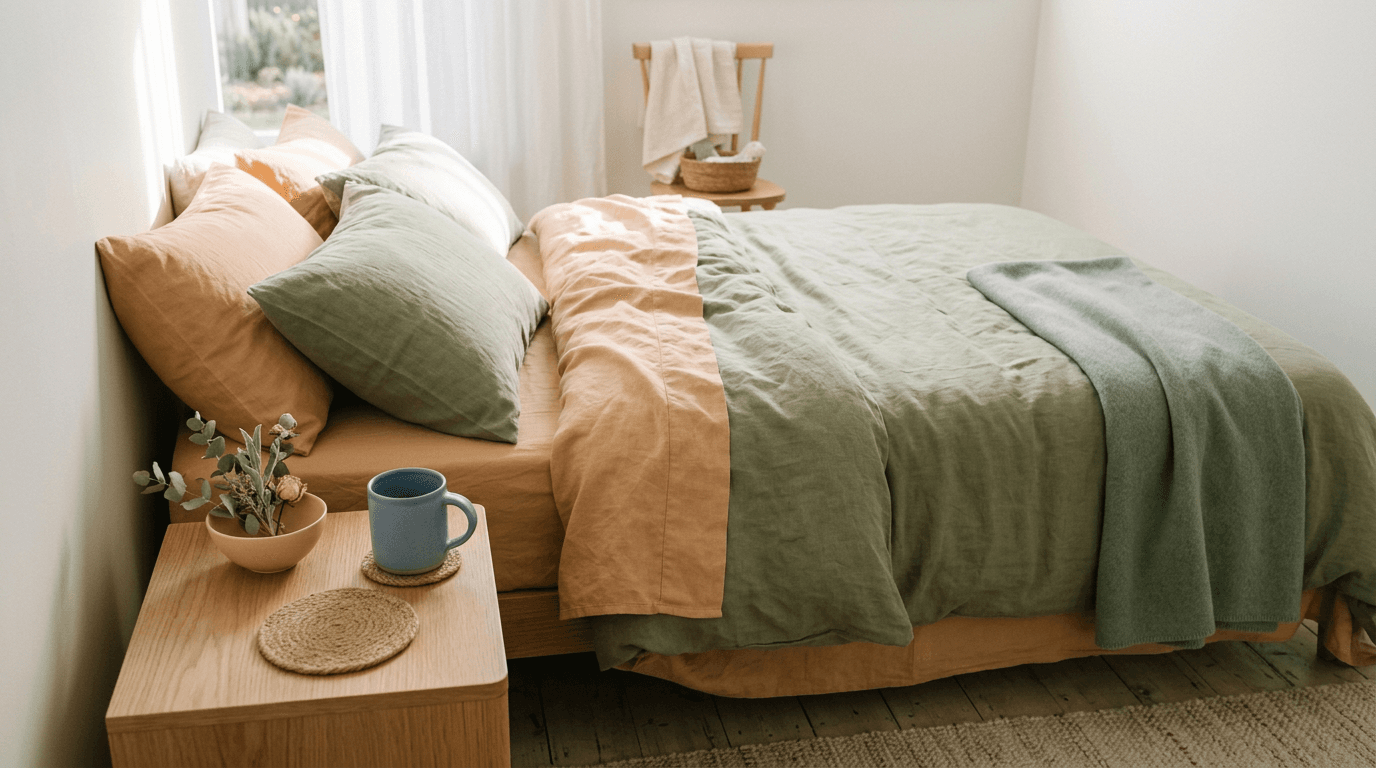

The connection between Endometriosis and sleep
For many people with endometriosis, nightfall is rarely a time of rest. Instead, it often starts a frustrating cycle where physical pain prevents sleep, and the resulting exhaustion makes it harder to manage that pain the next day. This is often called 'painsomnia,' and it is a reality for those living with chronic pelvic conditions.
Reclaiming your nights starts with understanding how endometriosis interferes with sleep. It is not just about the pain itself. The way your body’s inflammatory response and hormones change can throw off your natural internal clock.
Why chronic pain disrupts rest
Endometriosis is an inflammatory condition. When inflammation is high, your body produces more cortisol, the stress hormone. Cortisol is supposed to drop in the evening so melatonin can help you fall asleep. However, chronic pain keeps your nervous system on high alert, making it difficult for the brain to move into deep sleep.
The prostaglandin factor
Prostaglandins are hormone-like substances that cause menstrual cramps and endometriosis pain. These levels rise during your period, causing uterine contractions and inflammation. Research suggests these substances also lower sleep quality, leading to more wakeups and less restorative rest.
The role of Endometriosis symptoms
Pelvic pain isn't the only culprit. Other endometriosis symptoms like digestive distress, 'endo belly' bloating, and the frequent urge to urinate can keep you up. Waking up to use the bathroom or tossing and turning because of stomach discomfort breaks your sleep into fragments.
Why sleep deprivation worsens pain
Sleep and pain are linked in both directions. Pain makes it hard to sleep, but a lack of sleep also makes you more sensitive to pain. Studies show that when you don't get enough rest, your central nervous system becomes more reactive. This means the same level of inflammation might feel much more painful after a bad night of sleep.
When you are tired, it is also harder to regulate your mood. This can lead to more anxiety about your health, which makes it even harder to fall asleep the next night. Breaking this loop requires looking at both your physical comfort and your evening habits.
Best sleep positions for pelvic pain
During a flare, how you lie in bed can change your comfort level. While there isn't one "perfect" position, some changes can take pressure off your pelvic floor and back.
Side sleeping with support
Curling up in a fetal position helps relax the stomach muscles. You can make this more effective by placing a pillow between your knees. This keeps your hips and pelvis aligned, which reduces the pull on pelvic ligaments.
Sleeping on your back
If you sleep on your back, you might feel tension in your abdomen. Placing a pillow or bolster under your knees tilts your pelvis slightly, which relieves pressure on the lower back and pelvic floor.
Avoiding stomach sleeping
It is usually best to avoid sleeping on your stomach during a flare. This position can increase the arch in your lower back and put pressure on your bladder and pelvic area.
Sleep habits for Endometriosis
Standard sleep advice often feels hollow when you have a chronic illness. However, combining these habits with pain management can help create a better environment for rest.
Temperature and heat
Inflammation can make you feel hot at night, so keeping the bedroom cool is helpful. At the same time, applying a heating pad or warm water bottle to your lower back can soothe muscles enough to help you drift off. Just make sure any electric heat source has an automatic off-switch.
The wind-down routine
Since pain keeps your nervous system revved up, you need a way to slow down. This might be deep breathing, a warm bath, or easy stretching. Try to avoid phone screens an hour before bed so your brain can start producing melatonin naturally.
Food and caffeine
Because endometriosis involves the digestive system, what you eat at night matters. Avoiding heavy or spicy meals close to bedtime can reduce nighttime bloating. It’s also helpful to keep caffeine in the morning so it doesn't stay in your system when you're trying to sleep.
Discussing sleep with your doctor
If you can't sleep, tell your doctor. Sleep issues are a major part of the disease and are just as important as the pain itself.
To make the most of your appointment, bring some data with you. Keeping a pain diary for doctors that includes sleep patterns helps show clear trends. You might find that your insomnia is worst during ovulation or right before your period starts. This helps your doctor see how the condition affects your whole life.
Tracking the connection
It’s hard to see patterns when you're exhausted. Tracking your symptoms alongside your sleep can give you answers. Are you waking up from a sharp pain or a dull ache? Does a certain medication help you stay asleep, or does it give you restless dreams?
Write down how you slept in a notebook. An endometriosis tracker app like Endolog helps you log your pain and other symptoms, so you can read them next to your sleep notes. Over time, these patterns help you and your medical team decide if you need pelvic floor physical therapy, a change in hormones, or different pain management.
Related guides and resources
For more information on living with chronic pelvic pain, see our other guides:
- 20 Symptoms of Endometriosis and What the Pain Feels Like
- Pain Diary for Your Doctor: What to Track and How to Share
- Managing Your Health with the Endolog Tracker
Taking the next step
Improving your sleep with endometriosis takes a lot of trial and error. What works one month might need to change the next as your cycle shifts. Be patient with yourself as you look for what works.
If you want to find the link between your pain and your sleep, write down how you slept each night. Endolog lets you log your pain, bleeding and other symptoms, so you can read them next to your sleep notes and bring a clear record to your doctor. Download Endolog today to get a better look at your health.
This article is general information, not medical advice. Read how we write and check our articles in our editorial policy.
Explore this topic
Related articles

March 23, 2026
Endometriosis, Depression and Anxiety: The Link and Support
Endometriosis, depression and anxiety often go together, and pain is a big part of the link. Learn the signs, what helps, and where to get urgent help.
March 16, 2026
Back Pain During Period: Causes, Relief and When to Worry
Back pain during period days often comes from cramps that spread to the lower back. Learn what helps, what to track, and when it can mean endometriosis.

March 3, 2026
What Triggers Endo Flare Up? 12 Common Triggers to Watch
Discover common endometriosis flare triggers from inflammatory foods to stress. Learn how to identify your personal patterns and manage chronic pelvic pain.

March 1, 2026
Explaining Endometriosis to Partners and Family
Struggling to describe your pain? Learn how explaining endometriosis to family can build support using clear analogies and symptom tracking tools.
February 28, 2026
Endometriosis and Painful Sex: Why It Hurts and What Helps
Endometriosis can make sex painful, often deep inside. Learn why, which positions and pacing help, how pelvic floor physio works and when to see a doctor.

February 23, 2026
Warning Signs an Endo Flare Is Coming: Early Detection Guide
Learn to recognize the early warning signs of an endometriosis flare. Discover how tracking fatigue and digestion helps you prepare with early detection.
