PCOS vs. Endometriosis: Key Differences and Symptoms
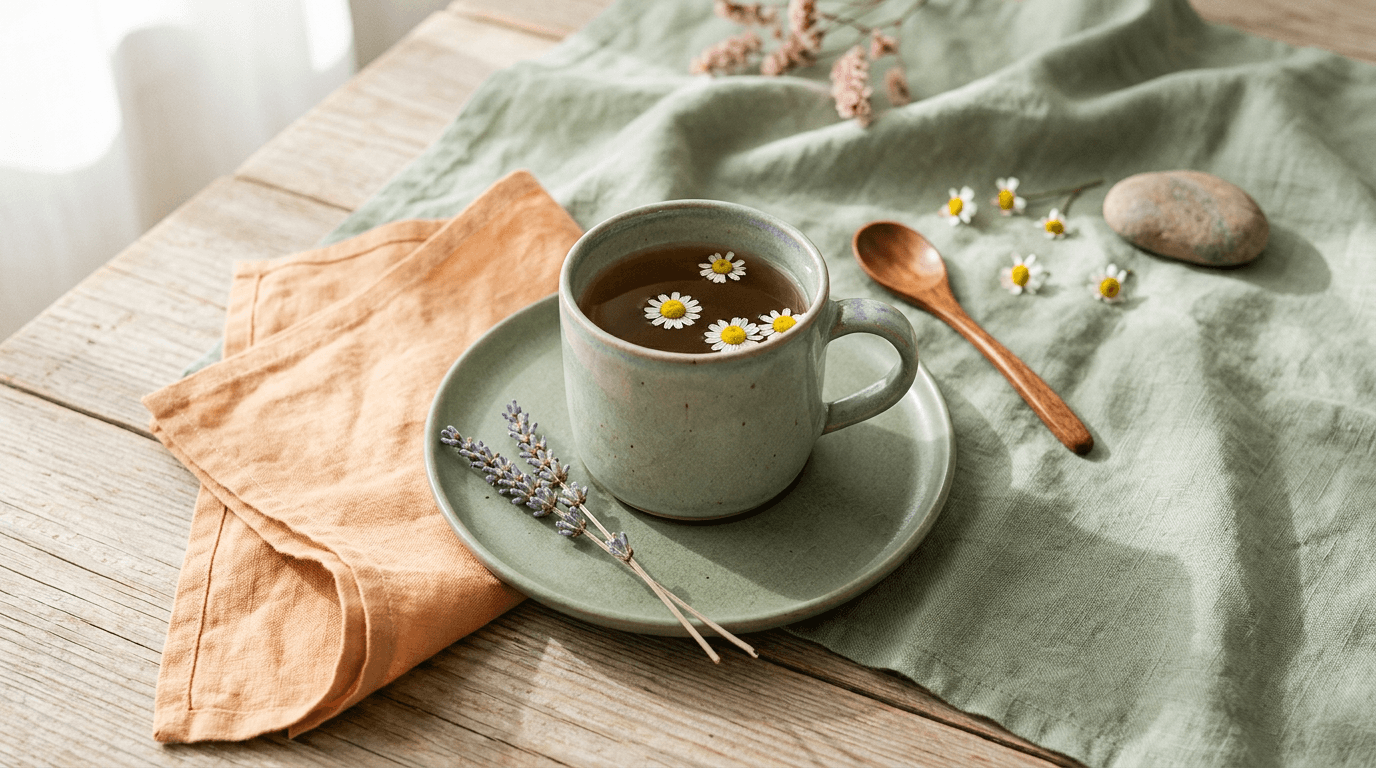

Understanding the overlap: PCOS vs. Endometriosis
Managing reproductive health is often overwhelming when symptoms like pelvic pain, bloating, and fatigue point in different directions. Polycystic Ovary Syndrome (PCOS) and endometriosis are two common gynecological conditions. They are frequently confused or misdiagnosed because their symptoms overlap.
While both conditions impact fertility and energy levels, they have different biological causes. Knowing these differences helps you speak up at the doctor's office and find a treatment plan that addresses the source of your pain.
What is pcos?
PCOS is a hormonal and metabolic disorder. It is defined by a set of symptoms usually related to ovulation and androgen levels. To get a PCOS diagnosis, doctors generally look for at least two of these three signs: irregular periods or no ovulation, high androgen levels (shown in blood work or through symptoms like excess body hair), and many small follicles on the ovaries.
Because PCOS involves insulin resistance, it affects the whole body. It changes how you process sugar, how your hair grows, and your skin health. While some people feel pain, many primarily struggle with unpredictable cycles.
What is endometriosis?
Endometriosis occurs when tissue similar to the lining of the uterus grows in other places. This tissue is often found on the ovaries, fallopian tubes, the outside of the uterus, or the bladder and bowel. Every month, this tissue reacts to your hormones by thickening and breaking down. Since it is outside the womb, the blood has no way to leave the body.
This cycle causes inflammation, scarring, and adhesions that can make organs stick together. While PCOS is a metabolic and hormonal issue, endometriosis is an inflammatory disease defined by physical lesions.
Key differentiators: how to tell the difference
The nature of your menstrual cycle is usually the first clue when comparing PCOS vs. endometriosis. Specialists typically see the following patterns.
Menstrual cycle regularity
Irregular or missing periods are a major sign of PCOS. You might go months without a cycle because hormonal imbalances prevent regular ovulation.
People with endometriosis usually have very regular cycles. They often know exactly when their period will start, but they dread it because the pain is so intense. While menstrual pain in PCOS happens, it is rarely the main symptom.
The nature of pain
In endometriosis, pelvic pain is often sharp or stabbing. This pain can happen during your period, during sex, or when using the bathroom. For many, this becomes chronic pain that lasts all month.
PCOS pain feels different. It is usually a dull ache or a heavy feeling in the pelvis, often caused by the size of the ovaries. If you are wondering if PCOS causes painful periods, it can cause discomfort from heavy bleeding, but the sharp inflammatory pain of endometriosis is less common in PCOS.
Metabolic and physical signs
PCOS frequently causes skin and hair changes like acne, thinning hair on the head, or hair growth on the face and body. It is also linked to weight gain that is hard to lose because of insulin resistance.
Endometriosis does not cause these specific hair and skin changes. Instead, it is linked to digestive problems. This is often called "endo belly," where the stomach becomes painfully swollen, sometimes looking like IBS.
The complexity of comorbidity
You can have both PCOS and endometriosis at the same time. This makes a diagnosis difficult because symptoms hide each other. For example, the irregular periods of PCOS make it hard to see the monthly pattern of endometriosis pain.
Many people with endometriosis also have adenomyosis. This is when the uterine lining grows into the muscle wall of the uterus. Some research suggests about 42% of people with endometriosis also have adenomyosis, which causes heavy bleeding and cramps that feel like labor.
Shared symptoms: when the lines blur
Both conditions share several symptoms that make them hard to distinguish without imaging or surgery:
- Fatigue: Both cause exhaustion from chronic inflammation or metabolic shifts.
- Bloating: Both cause abdominal swelling, though for different reasons.
- Mood Changes: Living with pain and shifting hormones often leads to anxiety or depression.
- Infertility: Both are major causes of difficulty getting pregnant, either due to lack of ovulation (PCOS) or inflammation and blockages (endometriosis).
Navigating the diagnostic path
If you suspect you have these conditions, prepare for your doctor's visit by gathering your history. Doctors use pelvic exams, ultrasounds, and blood tests. However, endometriosis rarely shows up on a standard ultrasound. Laparoscopic surgery is still the only way to officially diagnose endometriosis.
PCOS is easier to find with blood tests and ultrasounds of the ovaries. Because it is easier to test for, many people are told they only have PCOS when endometriosis is actually causing their severe pain.
Why tracking matters
Because symptoms overlap, your personal data is a powerful tool. Keeping a log of your pain, bleeding patterns, energy, and digestion helps a doctor see which condition is more likely.
For example, if pain peaks three days before your period starts, that points toward endometriosis. If your period only comes every 60 days and you have acne flares, that points toward PCOS.
A dedicated endometriosis tracker app turns your daily experiences into a report a doctor can read quickly. This can shorten the years it often takes to get a correct diagnosis. On paper, the free printable period and symptom tracker shows the same patterns.
Related guides and resources
To learn more about your reproductive health, read our other guides:
- PCOS Diagnosis: What Tests You Should Actually Get
- Does PCOS Cause Painful Periods? Exploring the Causes
- How a Symptom Tracker Can Help Your Diagnosis
Take control of your health journey
Whether you have PCOS, endometriosis, or both, you deserve to feel better. Finding a diagnosis can take time, but you can take an active role. By tracking your daily symptoms, you create a clear map of your health for your medical team.
Download Endolog to start logging your symptoms and create the reports you need to advocate for yourself. Your data gives you a stronger voice in your care.
This article is general information, not medical advice. Read how we write and check our articles in our editorial policy.
Explore this topic
Related articles

September 25, 2026
Cramps but No Period: Causes and When to See a Doctor
Cramps but no period? Take a pregnancy test if you could be pregnant. Learn the other causes, from ovulation to endometriosis, and when to see a doctor.

March 12, 2026
PCOS Pain Is Real: Why It Is Not Just Irregular Periods
Does PCOS cause pain? Learn where PCOS pelvic pain can come from, why symptoms can flare, which other causes to rule out, and what to track.
December 18, 2025
Are Painful Periods a Sign of Good Fertility? The Myth Explained
Painful periods are not a sign of good fertility. Learn what research says about period pain and fertility, and when pain can point to a condition.
October 23, 2026
Best Tea for Period Cramps: Ginger, Chamomile and More
Which tea helps period cramps? Ginger has the best evidence. See what studies show for chamomile, peppermint, raspberry leaf, cinnamon and fennel tea.

October 20, 2026
Chest Pain During Period: Causes and Thoracic Endometriosis
Chest pain during your period has many causes. Learn when to get urgent help, the signs of thoracic endometriosis, how doctors check and what to track.
October 17, 2026
Endometriosis in Teens: Signs Not to Dismiss and What to Do
Endometriosis in teens is real and often missed. Learn the signs that need a doctor, how it is diagnosed, first treatments and what to track for a visit.
