I've Tried Every Period Tracker App. Here's Why They All Failed Me (Until I Found One That Didn't)
Here's what happened last Tuesday: I had my fourth gynecologist appointment in two years. I'd been tracking my symptoms religiously in Flo for six months. I walked in feeling prepared. Finally, I had data. Real evidence that something was wrong.
I pulled out my phone to show her the app. She glanced at it for maybe three seconds, saw the little pink flower icons and the "moderate cramps" notation, and said, "It looks like you have normal period pain. Have you tried ibuprofen?"
I wanted to scream. Because what she couldn't see, and what the app couldn't show her, was:
- That I'd been in pain for 18 out of the last 30 days
- That the pain wasn't just "down there" but shot down my left leg so badly I couldn't drive
- That I'd tracked myself eating the exact same lunch three times, and twice it triggered such severe bloating I looked six months pregnant within two hours
- That I'd missed four days of work, not because I was bleeding, but because the fatigue felt like I'd been hit by a truck
All my app said was: "Period started. Moderate cramps. Mild bloating."
That's when I realized: these apps weren't built for people like us.
Existing apps: gaslighting by design
Let's talk about Flo first, because it's the elephant in the room. 230 million users. Clean interface. All your friends probably use it.
And it made me feel completely insane.
Not because it's a bad app. It's not. It's actually great at what it was designed to do: help people with regular cycles track their fertility windows and avoid period surprises.
But here's what it felt like using it with endometriosis:
Every time I opened the app, I was greeted with soft pinks and purples. Cute illustrations. Gentle reminders to "practice self-care 💕" and "stay hydrated 💧." The language was all about "your fertility journey" and "understanding your feminine cycle."
Meanwhile, I was logging into it after spending two hours on the bathroom floor, crying from the pain of trying to have a bowel movement during my period. The app asked me to rate my "cramps" as mild, moderate, or severe.
How do I explain that it's not cramps? That it feels like someone is taking a blowtorch to my insides while simultaneously stabbing my rectum with an ice pick?
"Severe cramps" it is, I guess.
The app congratulated me for logging consistently and reminded me my fertile window was approaching. Cool. Great. Exactly what I needed to hear while I'm googling "is it normal to throw up from period pain."
I'm not saying Flo is trying to be dismissive. But when you're dealing with debilitating, life-altering pain, and the app that's supposed to help you track it treats you like you're just managing a minor monthly inconvenience... it doesn't feel good.
"your period is late" (no, my body is just broken)
I switched to Clue after reading it was better for people with medical conditions. Less pink. More "science-based." Gender-neutral language. All good things.
For the first two months, it was fine. Then my cycle did what it always does when my PCOS flares: it disappeared.
Day 35: "Your period is late. Take a pregnancy test?"
No, Clue. I'm not pregnant. I have PCOS. My cycles range from 35 to 90 days. This is normal for me, which is to say, nothing about my body is normal, but this is expected.
Day 42: "Your period is now 7 days late."
I know.
Day 50: "Your period is now 15 days late. Are you pregnant?"
Oh my god, shut up.
Day 60: The app basically gave up and stopped asking, but left my cycle prediction completely blank, like my body had broken its algorithm.
Which, to be fair, it had.
But here's the thing: I wasn't just trying to track when I'd bleed next. I needed to track:
- The cystic acne that erupts on my chin when my testosterone is high
- The absolutely crushing fatigue that comes in waves unrelated to my "period" because I don't have a regular period
- The weight fluctuations: five pounds up in two days, three pounds down the next week
- The "PCOS rage" that makes me want to throw my laptop at the wall during meetings
Clue let me log "acne" and "fatigue" as symptoms. But it didn't help me understand why or when these symptoms happened. It wanted everything to fit neatly into a menstrual cycle framework. My PCOS doesn't work that way.
What i actually needed (and couldn't find)
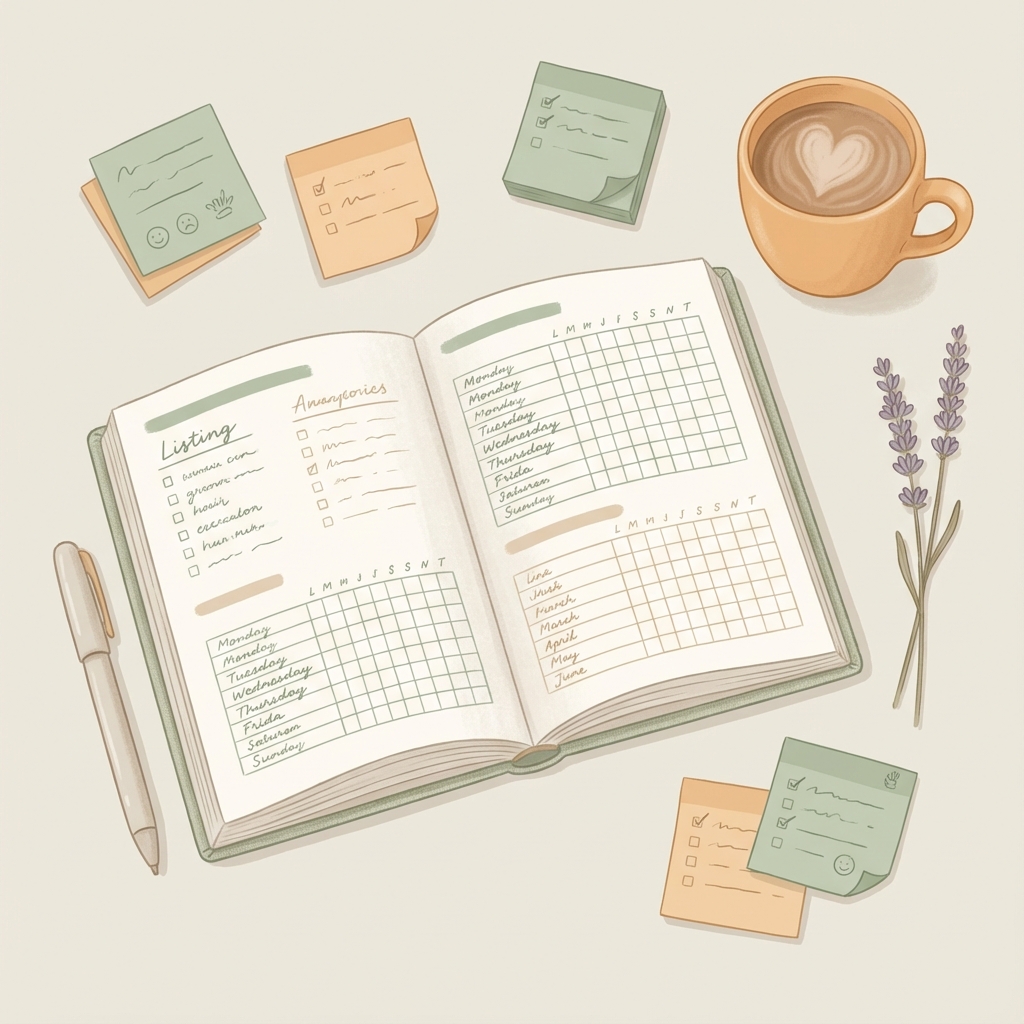
After cycling through six different apps like Flo, Clue, Eve, Period Tracker, Cycles, and even trying Apple Health (which was laughably basic), I started keeping a Google Doc instead.
It was a mess. But it was my mess.
I made a table with these columns:
- Date
- Pain level (1-10)
- Location of pain
- Type of pain (stabbing, aching, burning)
- Other symptoms (bloating, nausea, fatigue, brain fog, leg pain)
- What I ate
- If I could work or not
- What helped (heat, drugs, nothing)
Three months of this data took up six pages. I printed it out and brought it to my next appointment.
That doctor actually read it. She spent ten minutes going through it. She asked questions. She ordered an ultrasound.
That Google Doc did more for my diagnosis than six months of tracking in a "period app" ever did.
But maintaining a Google Doc is exhausting. Every time I wanted to see a pattern, like if my flares happen more during ovulation or if dairy is actually triggering bloating, I had to manually review pages of text. There were no graphs. No visualizations. Just my increasingly desperate notes like "pain is a 9, can't think, call in sick again."
What changed everything
I found Endolog by accident. Someone posted about it in an endo support group, saying it was "actually built for people with chronic pain, not people trying to get pregnant."
I was skeptical. I'd been burned before.
But within a week of using it, I understood the difference.
The first time I opened it after a bad pain day, it didn't ask me to rate my "cramps" as mild/moderate/severe.
It asked: Where does it hurt? And gave me a full body diagram. I tapped my lower left abdomen. My lower back. My left leg.
It asked: What does it feel like? Stabbing. Aching. Burning. I could pick multiple.
It asked: How bad is it? And gave me an actual 1-10 scale where I could log a 2 in the morning and a 9 by evening.
Then it asked: What else is happening? And there were options for all the "weird" symptoms my other apps didn't have names for:
- Endo belly (with a picture showing what it means)
- Painful bowel movements
- "Butt lightning" (electric shock pain in the rectum. YES, someone finally acknowledged this exists)
- Sciatic nerve pain
- Brain fog severity
- Bone-deep fatigue
I almost cried reading through the symptom list. Someone got it. Someone understood that this disease isn't just "bad cramps."
The thing that actually mattered
But here's what changed my medical care:
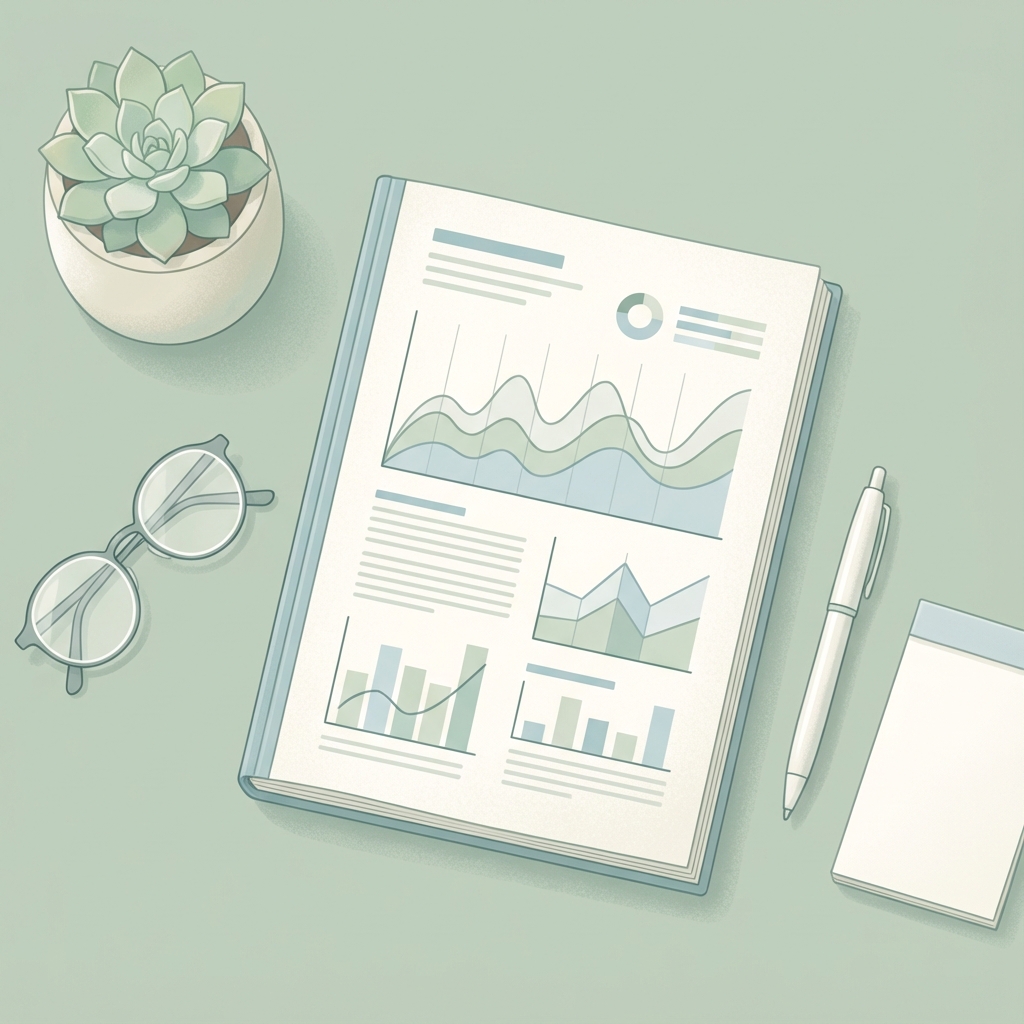
After tracking for two months, I tapped "Generate Report." The app created a PDF. It was a professional, multi-page medical document that showed:
- A calendar heat map of my pain levels over 60 days
- A chart showing where my pain was located most frequently
- A graph showing my pain intensity tracked against my cycle
- A list of associated symptoms and how often they occurred together
- Notes about what helped and what didn't
I printed it out and brought it to a new gynecologist.
She looked at it and said, "This is really helpful. I can see clear cyclical patterns here, especially around ovulation. Combined with your symptoms, I think we should do an MRI to look for deep infiltrating endometriosis."
Six months later, I had a laparoscopy. Stage 3 endometriosis. Lesions removed. Finally, finally, an explanation for years of being told "periods are just painful sometimes."
The PDF report from Endolog didn't diagnose me. But it gave my doctor the evidence she needed to take me seriously.
Not every app needs to be everything
Look, I'm not saying Flo is evil. If you have regular periods and just want to track when you'll bleed next, it's fine. Great, even.
Clue is legitimately good if you're looking for something more scientific and less fertility-focused.
Apple Health is... well, it exists.
But here's the thing these apps don't understand: when you have a chronic pain condition, you're not tracking your period. You're building a legal case for your own suffering.
You need evidence. Data that a doctor can't dismiss with "maybe you're just stressed."
You need to be able to say: "I've had pain at an 8/10 or higher for 14 out of the last 30 days. It radiates to my leg. It's worse during ovulation and menstruation. Here's the chart."
And you need the app itself to validate that what you're experiencing is real and serious, not "moderate cramps 💕."
What actually matters in an app
If you're reading this because you're in the same boat I was, trying to figure out which app will actually help you, here's what I wish someone had told me:
Forget about cycle predictions. If your cycles are irregular, predictions will just stress you out. You need an app that tracks symptoms independent of whether it can guess when you'll bleed next.
You need a pain scale that isn't useless. "Mild/moderate/severe" doesn't cut it. You need numbers. You need to be able to track 4/10 morning pain that becomes 8/10 evening pain.
You need body mapping. Pain location is diagnostic. If your pain shoots down your left leg, that matters. If it moves from your pelvis to your lower back, that's a pattern doctors need to see.
You need to track the weird stuff. Endo belly. Rectal pain. Leg pain. Brain fog. Fatigue that feels like the flu. If the app doesn't have fields for these, it's not built for chronic illness.
You need to export your data in a format doctors respect. Not a CSV file. Not screenshots of your phone. A professional medical report with graphs and charts.
And honestly? You need an app that doesn't make you feel like your pain is trivial. Design matters. Language matters. If opening the app makes you feel dismissed, that's a problem.
The bottom line
I spent two years tracking my symptoms in apps that weren't built for someone like me. Two years of feeling like I was crazy for needing more detailed tracking. Two years of scrolling through my phone in doctor's offices, trying to verbally explain patterns that should have been visualized in a chart.
Using an app actually designed for chronic illness patients shaved months off my diagnostic journey. Maybe years.
So if you're still using a generic period tracker and wondering why it's not helping, this is your permission to stop. You're not the problem. The tool is.
Find something built for what you're actually dealing with. Because you deserve better than trying to fit your chronic pain into a fertility app's idea of "moderate cramps."
You deserve tools that take you seriously.
Explore this topic
Related articles
March 22, 2026
Left Side Pelvic Pain: Common Causes and What It Means
Discover potential causes for left side pelvic pain, from endometriosis to PCOS. Learn how to track your symptoms effectively for better doctor consultations.
March 18, 2026
Can You Have Endometriosis and Adenomyosis Together?
Learn about the 42% comorbidity rate of endometriosis and adenomyosis, how symptoms overlap, and why tracking with Endolog helps get an accurate diagnosis.
March 9, 2026
Throbbing Ovary Pain: Patterns, Triggers, and Red Flags
Understand rhythmic ovary throbbing, its links to conditions like endometriosis, and when to see a doctor. Discover how to track your pelvic pain levels.
March 6, 2026
PCOS vs. Endometriosis: Key Differences and Symptoms
Confused by pelvic pain? Learn the differences between PCOS and endometriosis symptoms, from cycle length to fertility, to get the right medical support.
February 12, 2026
Adenomyosis vs. Endometriosis: Understanding the Sister Disease
Understand the differences between adenomyosis and endometriosis. Learn about symptoms, why they often co-exist, and how to track your pain for better care.
December 22, 2025
A Heavy Feeling in the Pelvis: Pressure, Discomfort, and Your Cycle
A heavy feeling in the pelvis is a common symptom with multiple potential causes, from normal hormonal fluctuations to conditions like adenomyosis or endometriosis. Learn what creates this sensation and when it warrants attention.