Understanding Different Types of Endometriosis Pain: A Complete Guide
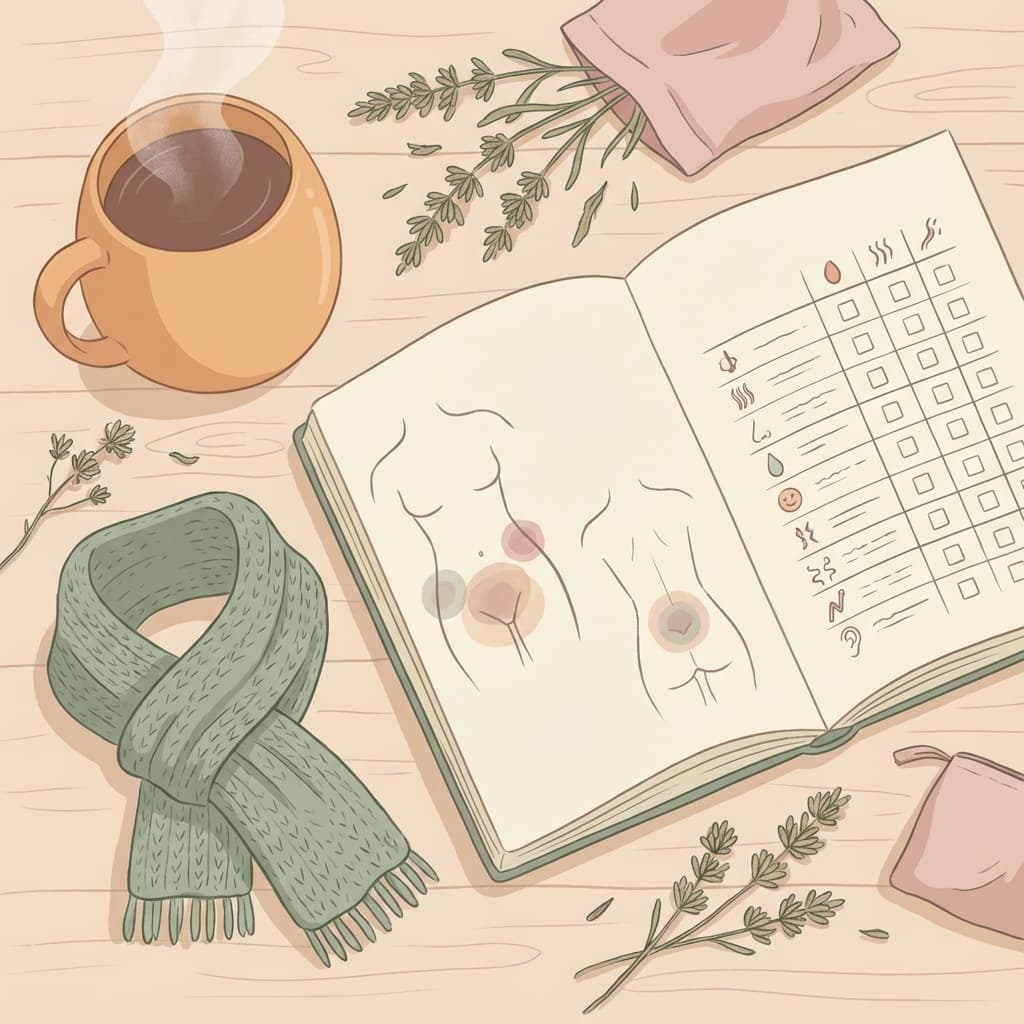

If you've ever felt confused trying to explain your endometriosis pain to someone, whether it's your doctor, partner, or even yourself, you're not alone. One of the most frustrating aspects of living with endometriosis is that the pain doesn't follow a predictable script. It shows up differently for everyone, changes over time, and can even vary from cycle to cycle for the same person.
This complexity isn't in your head. Endometriosis is often called the "chameleon of gynecology" because it manifests in so many different ways. Understanding the various types of pain you might experience isn't just intellectually interesting, as it is a crucial tool for advocating for yourself in medical appointments, identifying your personal triggers, and finding relief strategies that actually work.
Why Endometriosis pain varies so much between people
Before diving into specific pain types, it's important to understand why endometriosis pain is so variable. Research shows that pain severity doesn't correlate with disease stage. This counterintuitive finding means someone with "minimal" Stage I disease might experience debilitating pain, while another person with extensive Stage IV disease might have relatively mild symptoms, or even none at all.
Several factors contribute to this variability:
Disease Location Matters More Than Extent: Where endometrial-like tissue grows affects what kind of pain you experience. A small lesion on a nerve can cause severe, radiating pain, while larger lesions in less sensitive areas might cause minimal discomfort. Deep infiltrating endometriosis affecting organs like the bowel or bladder tends to cause more severe symptoms than superficial peritoneal lesions.
Individual Pain Sensitivity Varies: Each person has a different pain threshold influenced by genetics, previous pain experiences, and nervous system sensitivity. Some people develop central sensitization, a condition where the nervous system becomes hypersensitive to pain signals, amplifying the pain experience even after the initial trigger resolves.
Inflammation Creates Secondary Pain: Endometriosis triggers chronic inflammation in the pelvic cavity, releasing cytokines and prostaglandins that sensitize nerve endings. This inflammatory cascade can cause pain even in areas without visible endometrial tissue, explaining why surgery doesn't always eliminate all symptoms.
Nerve Involvement Complicates the Picture: Endometrial-like tissue can grow on or near nerves, causing neuropathic pain that feels different from typical cramping. This explains why 70% of endometriosis patients experience some degree of neuropathic pain symptoms like burning, tingling, or electric shock sensations.
Understanding pain by timing: when your body hurts
One of the most useful frameworks for understanding your pain is tracking when it occurs. Different timing patterns can point to different underlying mechanisms and help guide treatment decisions.
Cyclic pain: the monthly pattern
Dysmenorrhea (painful periods) affects about 62% of endometriosis patients as their primary symptom. This is pain that consistently appears during menstruation and improves afterward. While many people dismiss period pain as "normal," endometriosis-related dysmenorrhea is qualitatively different, as it is typically severe enough to disrupt daily activities, doesn't respond well to over-the-counter pain relievers, and often worsens over time.
The pain usually begins a day or two before bleeding starts and continues through the first few days of menstruation. This timing reflects the hormonal triggers: when estrogen drops before your period, it triggers an inflammatory cascade in endometrial tissue, both inside and outside your uterus.
Mid-cycle pain: the ovulation connection
Mittelschmerz is the medical term for ovulation pain, experienced by about 40% of people with endometriosis. For those with endo, this mid-cycle pain can be much more intense than typical ovulation twinges. You might experience a sharp, one-sided pain that lasts hours to days around day 14 of your cycle.
This happens because ovulation itself is an inflammatory process where the follicle ruptures to release the egg, creating localized inflammation. If you have endometrial implants or adhesions near your ovaries, this inflammation triggers pain. Severe mid-cycle pain, especially if it's worsening over time, may indicate endometriomas (ovarian cysts filled with old blood) or adhesions affecting ovarian function.
Chronic pelvic pain: when it never really stops
About 37% of endometriosis patients experience chronic pelvic pain, defined as pain that persists for six months or longer, occurring most days regardless of cycle phase. This constant pain suggests several possible mechanisms:
- Nerve involvement: Endometrial tissue growing on or compressing pelvic nerves
- Adhesions: Scar tissue pulling on organs and structures
- Central sensitization: The nervous system stuck in a heightened pain state
- Pelvic floor dysfunction: Muscles chronically tensed in response to pain
Chronic pain often coexists with cyclic pain, creating a "baseline" discomfort that spikes during menstruation or other triggers. This persistent pain significantly impacts quality of life and requires comprehensive management approaches beyond simply controlling the menstrual cycle.
Flare-ups: the unpredictable spikes
Many people describe their pain as having flare-ups, periods of intense symptom exacerbation that may or may not align with their menstrual cycle. Flares can last anywhere from hours to weeks and often involve multiple symptoms beyond pain: severe bloating, extreme fatigue, digestive issues, and mood changes.
Common flare triggers include:
- Stress (cortisol increases inflammation)
- Certain foods (especially inflammatory foods like alcohol, processed sugar, or red meat)
- Physical strain or intense exercise
- Lack of sleep
- Hormonal fluctuations beyond the menstrual cycle
Tracking your flares helps identify your personal triggers and predict when you might need extra support or pain management strategies.
Pain by location: where your body signals problems
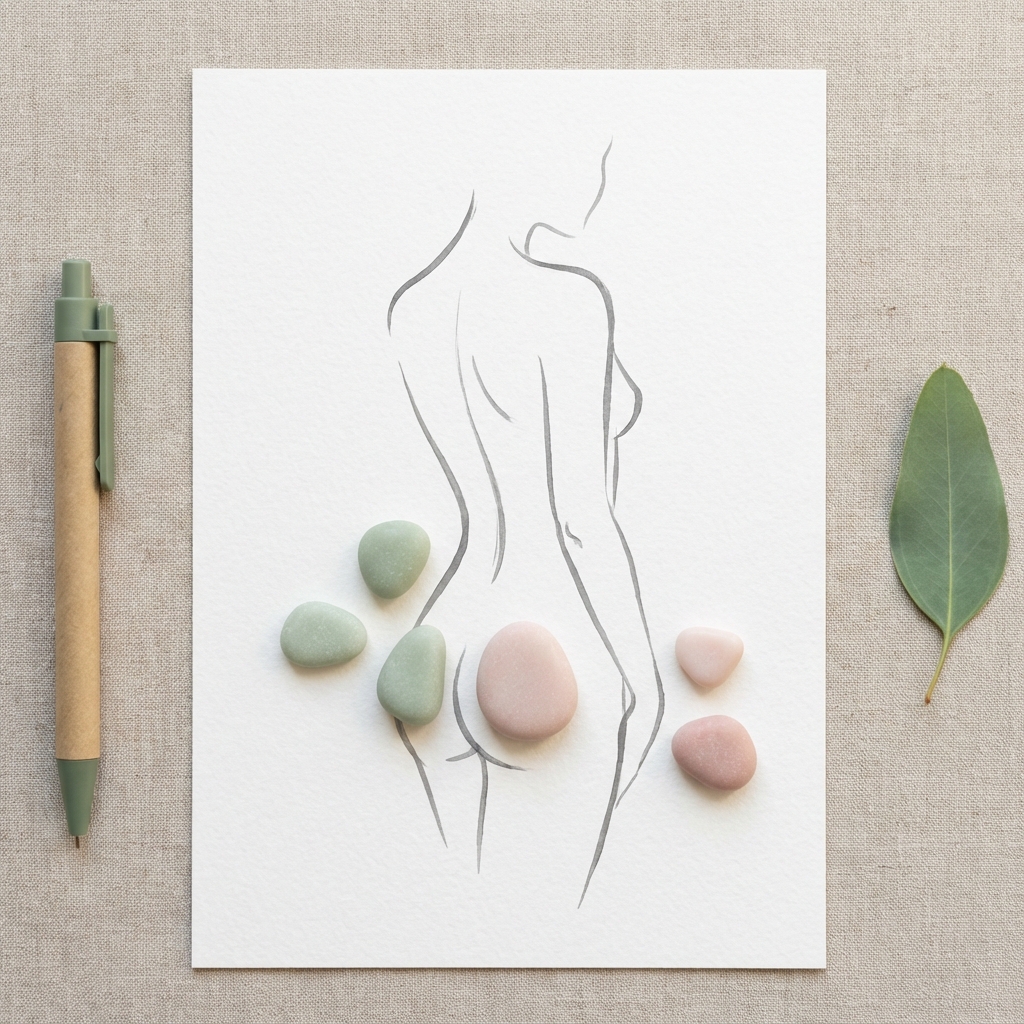
Where you experience pain can provide crucial diagnostic clues about where endometrial tissue might be growing. Understanding these location patterns helps you communicate more effectively with healthcare providers.
Central pelvic pain
This is the most common location, characterized by deep pain in your lower abdomen, typically between your hip bones. It may feel concentrated on one side (suggesting ovarian involvement) or diffuse across your pelvis. Central pelvic pain can indicate endometrial implants on the peritoneum (the lining of your pelvic cavity), the uterosacral ligaments (bands of tissue supporting your uterus), or within the ovaries themselves.
When this pain is sharp and sudden, especially mid-cycle, it might indicate a ruptured ovarian cyst. If it's a constant, dull ache that worsens during your period, it suggests inflammation of peritoneal implants or adhesions pulling on pelvic structures.
Lower back and sacral pain
About 40% of people with endometriosis experience significant lower back pain, particularly in the sacral region (the triangular bone at the base of your spine). This happens for several reasons:
Uterosacral ligament involvement: These ligaments connect your uterus to your sacrum. When endometrial tissue grows on them, it causes deep, aching pain that radiates to your lower back. This pain typically intensifies during menstruation when these tissues swell and pull on the ligaments.
Referred pain patterns: Your pelvic organs share nerve pathways with your lower back. Inflammation in your pelvis can trigger pain signals that your brain interprets as coming from your back, a phenomenon called referred pain.
Musculoskeletal compensation: Chronic pelvic pain often causes you to unconsciously tense your pelvic floor, core, and hip muscles. This protective guarding can lead to secondary lower back pain from muscle strain and postural changes.
Leg and hip pain: when pain travels
Perhaps one of the most confusing symptoms is leg and hip pain during your cycle. Many people describe this as a deep, throbbing ache in their thighs, shooting pain down one leg, or hip pain that makes walking difficult. This isn't "normal" period cramping, as it indicates nerve involvement.
Sciatic endometriosis occurs when endometrial tissue grows on or near the sciatic nerve, the large nerve running from your lower back through your hip and down each leg. Even small implants on this nerve can cause significant symptoms: sharp, shooting pain, numbness, tingling, or weakness in your leg. The pain often follows the nerve's path, starting in your buttock and traveling down your thigh.
Hip pain specifically may indicate endometrial tissue affecting the obturator nerve (which runs near your hip joint) or adhesions restricting hip movement. When hip pain worsens during ovulation, it suggests ovarian involvement on that side.
Rectal and bowel pain
Bowel-related pain is one of the most distressing symptoms, affecting about 60% of people with endometriosis at some point. Dyschezia (painful bowel movements) typically peaks during menstruation when inflammation is highest. The pain might feel like:
- Severe cramping before, during, or after bowel movements
- Sharp, stabbing pain that takes your breath away
- A constant rectal ache or pressure
- The sensation that "something is there" but nothing comes out
Rectovaginal endometriosis, when tissue grows in the space between your rectum and vagina, causes particularly severe bowel symptoms. This deep infiltrating disease can make bowel movements feel like you're "passing razor blades." Some people experience cyclical rectal bleeding if endometrial tissue penetrates the bowel wall, though this is rare.
There's also the phenomenon many call "butt lightning," a sudden, electric shock-like pains in your rectum that can literally stop you in your tracks. This is technically called proctalgia fugax and happens when the pudendal nerve (which supplies your pelvic floor and rectum) becomes irritated by nearby endometrial tissue or inflammation.
Bladder and urinary pain
Bladder symptoms affect about 14% of diagnosed endometriosis cases but are likely underreported. Dysuria (painful urination) during your period might indicate endometrial tissue on your bladder or nearby structures. Common bladder-related symptoms include:
- Urgent, frequent need to urinate
- Pain or pressure above your pubic bone
- Pain that intensifies when your bladder is full
- Blood in your urine (rare, but indicates bladder wall involvement)
- Feeling like you always need to urinate, even after just going
These symptoms often mimic urinary tract infections or interstitial cystitis, leading to misdiagnosis. The key differentiator is timing, as if bladder symptoms consistently worsen during your period, endometriosis should be considered.
Chest and shoulder pain: the rare but real thoracic Endometriosis
Though rare (affecting less than 1% of endometriosis cases), thoracic endometriosis causes some of the most frightening symptoms: chest pain, shortness of breath, or severe shoulder pain that appears cyclically. This happens when endometrial tissue grows in your chest cavity, often on the diaphragm or pleura (the lining around your lungs).
Shoulder tip pain specifically can indicate diaphragmatic endometriosis. The phrenic nerve (which controls your diaphragm) refers pain to your shoulder. When endometrial tissue on your diaphragm becomes inflamed during your period, you might experience sharp pain in your right shoulder that has no apparent musculoskeletal cause.
In extreme cases, thoracic endometriosis can cause catamenial pneumothorax, a collapsed lung that occurs cyclically with menstruation. If you experience chest pain, difficulty breathing, or persistent shoulder pain that correlates with your cycle, this is a medical emergency requiring specialized care.
Pain by quality: the words that describe your experience

How your pain feels, specifically its quality or character, provides important information about underlying mechanisms and helps doctors understand your experience. Having precise vocabulary makes a real difference in clinical communication.
Sharp and stabbing pain
Sharp, knife-like pain often indicates acute inflammation or nerve irritation. This is the pain that makes you gasp, stops you mid-sentence, or forces you to double over. It might last seconds to minutes and can occur randomly or be triggered by specific movements, coughing, or even deep breathing.
Sharp pain suggests:
- Nerve compression or irritation
- Acute inflammatory flare-ups
- Adhesions pulling on tissues with movement
- Ovarian cyst rupture (especially if sudden and severe)
Burning pain
A burning sensation is classic neuropathic pain, meaning nerves themselves are affected. You might describe it as feeling like a sunburn deep inside your pelvis, a hot poker, or like you've been branded internally. This type of pain indicates:
- Direct nerve involvement by endometrial tissue
- Nerve inflammation from nearby lesions
- Pelvic floor dysfunction (muscles can create burning sensations)
- Bladder involvement (especially if localized above your pubic bone)
Burning pain often responds better to nerve pain medications (like gabapentin) than standard painkillers, which is why accurate description matters for treatment.
Aching and dull pain
This is the deep, persistent discomfort that never quite goes away, much like a bad bruise or intense muscle soreness. Dull, aching pain typically indicates:
- Chronic inflammation
- Adhesions creating tension
- Organ distension (like an enlarged, "boggy" uterus in adenomyosis)
- Musculoskeletal secondary pain from chronic guarding
While less dramatic than sharp pain, this constant ache significantly impacts quality of life and often leads to fatigue from never getting a break from discomfort.
Cramping and contracting pain
Classic menstrual cramping feels like your uterus is squeezing in waves, because that's exactly what's happening. During menstruation, your uterus contracts to shed its lining, and prostaglandins (inflammatory chemicals) make these contractions more intense and painful.
In endometriosis, cramping is often more severe than "normal" period cramps because:
- You're producing excess prostaglandins
- Endometrial tissue outside your uterus also contracts
- Inflammation amplifies pain signals
- Adenomyosis (if present) causes particularly intense uterine cramping
If you describe your cramps as "labor-like" or "worse than normal," this is clinically significant information.
Radiating and shooting pain
Pain that travels, moving from your pelvis down your legs, up your back, or across your abdomen, indicates nerve involvement or referred pain patterns. Sciatic pain shoots down your leg like an electric shock. Referred shoulder pain from diaphragmatic endometriosis feels like it originates in your shoulder blade but is actually signaled from your abdomen.
This traveling pain is particularly important to track because it helps identify which nerves might be affected, guiding surgical planning if needed.
The "butt lightning" phenomenon
While we touched on this earlier, it deserves special mention because it's such a distinctive and distressing symptom. "Butt lightning" or proctalgia fugax feels like a sudden, intense electric shock or severe muscle spasm deep in your rectum. It can last seconds to minutes and is severe enough to make you stop whatever you're doing.
This happens when the pudendal nerve or rectal muscles spasm, often triggered by:
- Inflammation from nearby endometrial tissue
- Adhesions affecting nerve pathways
- Pelvic floor muscle dysfunction
- Irritation of the rectovaginal septum
Many people are too embarrassed to mention this symptom to doctors, but it's clinically relevant and helps narrow down where endometrial tissue might be growing.
Pain by function: when activities become difficult
Understanding which activities trigger pain provides crucial diagnostic information and helps guide daily management strategies.
Dyspareunia: pain with intimacy
Dyspareunia (painful intercourse) affects up to 50% of people with endometriosis. The pain typically occurs with deep penetration and can feel like hitting a wall, sharp stabbing, or intense pressure. This isn't just uncomfortable, but it's genuinely painful enough to make sexual activity impossible for many.
Common causes include:
- Endometriosis on the uterosacral ligaments: These are positioned at the back of your vagina, so deep penetration pulls on inflamed tissue
- Ovarian endometriomas: Pressure during sex irritates cysts
- Rectovaginal endometriosis: Nodules in the space between vagina and rectum cause intense pain
- Adenomyosis: An enlarged, tender uterus makes any pressure painful
- Pelvic floor dysfunction: Muscles chronically tensed in anticipation of pain
Pain might occur during penetration, with deep thrusting, or even hours after intercourse as inflammation increases. The location of pain (entrance, deep, one-sided) helps identify which structures are affected.
Dyschezia: bowel movement pain
We discussed this as a location, but it's worth examining as a functional pain because it so significantly impacts daily life. Normal bowel function shouldn't cause pain, so if you experience consistent pain with bowel movements, especially cyclically, which is a red flag for endometriosis.
The pain might be:
- Sharp and stabbing (nerve or rectal involvement)
- Intense cramping (bowel spasms from nearby inflammation)
- A tearing or "glass shards" sensation (severe inflammation or bowel wall involvement)
- Persistent rectal pressure after finishing
Some people find themselves avoiding bowel movements during their period because the pain is so severe, which can worsen constipation and create a vicious cycle.
Dysuria: painful urination
Pain during urination that correlates with your menstrual cycle suggests bladder endometriosis or inflammation affecting your urinary tract. The pain might feel like:
- Burning (like a UTI but tests come back negative)
- Sharp pain above your pubic bone as your bladder fills or empties
- Pressure and urgency without infection
- Pain that radiates into your urethra
The cyclical nature differentiates this from infections, meaning that if your "UTI symptoms" always happen during your period despite negative cultures, endometriosis should be investigated.
Movement and exercise pain
Many people notice that certain movements, exercises, or even just walking can trigger or worsen pelvic pain. This might indicate:
- Adhesions: Scar tissue limits organ movement, causing sharp pain when you stretch or twist
- Pelvic floor dysfunction: Muscles that should relax with movement stay contracted, causing pain
- Nerve compression: Movement changes the position of pelvic structures, temporarily compressing affected nerves
- Inflammation of the pelvic ligaments: Activities that stretch these supports (like high-impact exercise) cause pain
Understanding your movement patterns helps with pacing activities and identifying which structures might be affected.
How to describe your pain effectively to doctors
Having the vocabulary is one thing, but communicating it effectively is another. Doctors need specific information to form clinical impressions and make treatment decisions. Here's how to present your pain in ways that resonate in medical settings:
Use the pain scale strategically
The 1-10 pain scale is standard but often unhelpful without context. Instead of just saying "7," try: "On a normal day, my baseline is 3-4, but during my period it spikes to 7-8, and I've had several 9-10 episodes this year when I couldn't function at all."
This gives your doctor information about your range, your baseline, and the severity of your worst episodes, all of which are clinically relevant data.
Always include location and radiation
"I have pain" is too vague. Instead: "I have deep, central pelvic pain that radiates down my left leg during my period" or "I experience sharp, right-sided pain during ovulation that extends to my lower back."
Specific locations help doctors form hypotheses about which structures might be involved.
Describe quality using medical terminology
Doctors respond to specific descriptors:
- Sharp/stabbing: Suggests acute inflammation or nerve pain
- Burning: Indicates neuropathic pain
- Dull/aching: Points to chronic inflammation or adhesions
- Cramping: Suggests muscle contractions
- Pressure: Indicates something pressing on organs or structures
Using these terms helps doctors understand mechanisms, not just intensity.
Specify timing patterns
"It hurts during my period" is less helpful than "The pain starts 2 days before bleeding, peaks on day 2 of my cycle, and gradually improves by day 5. I also have mid-cycle pain around ovulation, and a baseline ache most days."
This temporal pattern provides crucial diagnostic information.
Identify triggers and relievers
"What makes it worse? Bowel movements, sex, exercise, certain foods? What makes it better? Heat, rest, specific positions, medications?"
This functional information helps guide treatment and indicates which structures might be involved.
Quantify functional impact
This is perhaps the most important element: "The pain makes me miss 2-3 days of work per month," or "I've stopped exercising because it triggers flares," or "I can't maintain intimate relationships because of dyspareunia."
Functional impact translates subjective pain into objective disability, which is something insurance companies and doctors recognize as clinically significant.
Bring documentation
This is where systematic tracking becomes invaluable. Instead of trying to remember patterns, you can show your doctor data: "Here's my three-month pain log showing consistent pain spikes during my period and mid-cycle" or "This body map shows where I experience pain most frequently."
Visual documentation is often more convincing than verbal description alone.
The power of tracking: turning confusion into clarity
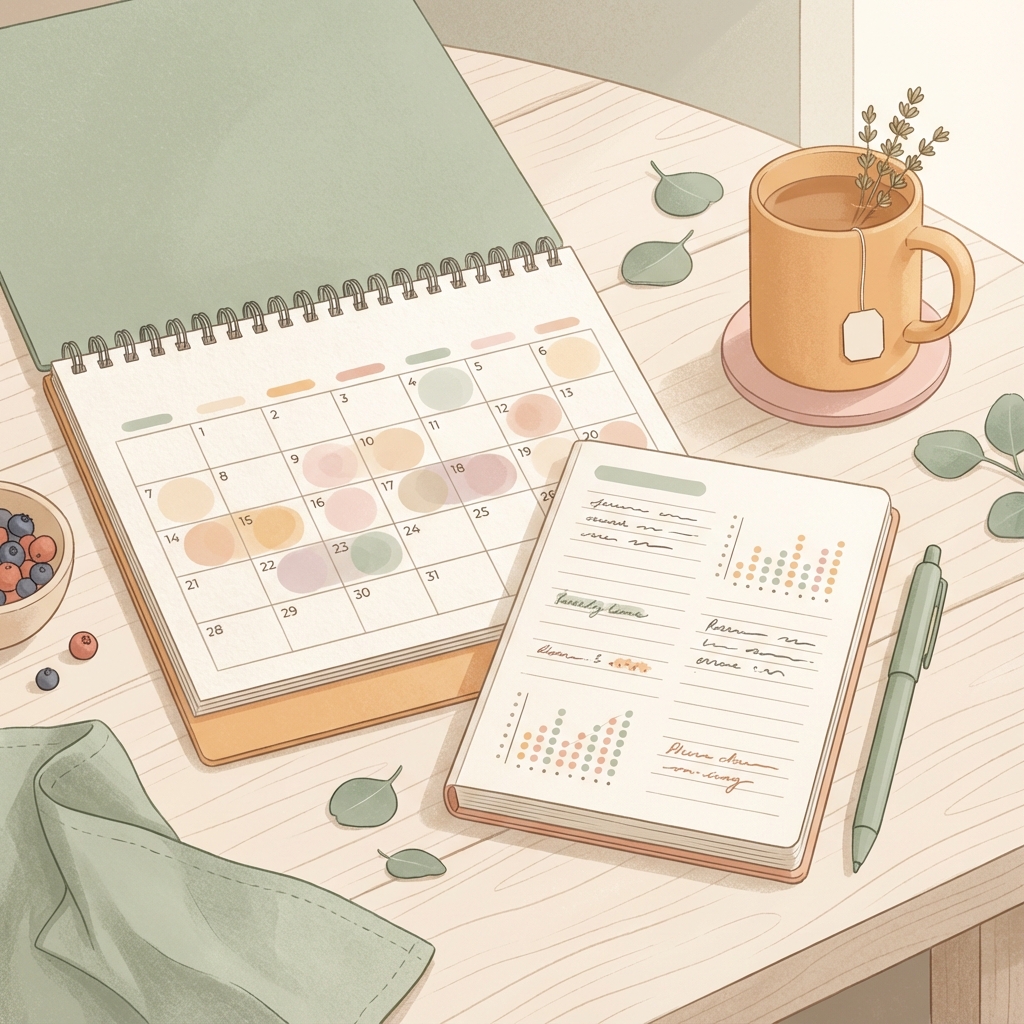
Understanding all these pain types is overwhelming when you're experiencing them simultaneously. This is exactly why systematic tracking is crucial, as it transforms subjective experiences into objective patterns that you and your healthcare team can analyze.
What tracking reveals
Consistent symptom tracking over time reveals:
Your unique pain signature: Everyone's endometriosis manifests differently. Tracking identifies your specific pattern, identifying which pain types you experience most, which are most disabling, and how they relate to each other.
Trigger identification: Patterns emerge showing connections between pain and specific foods, stress levels, activities, or medications. What you thought was random might actually be predictable.
Treatment effectiveness: When you start a new medication or therapy, tracking provides concrete data about whether it's working. "I feel better" is vague; "My average pain score dropped from 6 to 4, and I'm having 3 fewer high-pain days per month" is measurable progress.
Cyclical vs. chronic patterns: Tracking clarifies whether your pain is primarily menstrual, truly chronic, or somewhere in between, information that guides treatment decisions.
Evidence for diagnosis: The 7-9 year average diagnostic delay exists partly because doctors struggle to assess cyclical symptoms in brief appointments. When you present organized, longitudinal data, you circumvent this barrier.
How to track effectively
Effective tracking balances detail with sustainability. You need enough information to be useful without making tracking itself burdensome:
Daily logs should capture:
- Pain level (using a consistent scale)
- Pain location(s) using body mapping
- Pain quality descriptors
- Activities or events that might trigger or relieve pain
- Other symptoms (fatigue, digestive issues, bleeding, etc.)
- Medication taken and effectiveness
Weekly or monthly review helps identify:
- Patterns you miss in daily logs
- Correlations between different symptoms
- Average baselines vs. spike frequency
- Treatment effectiveness over time
The right tool matters: Paper diaries get lost, generic notes apps lack structure, and period trackers don't capture the complexity of chronic pain. Purpose-built tools like Endolog help you capture detailed information about pain location, quality, and timing without requiring you to start from scratch each day.
Turning data into action
Tracking isn't just about collecting data but about using that data strategically:
Before appointments: Generate reports that summarize your patterns. Endolog's PDF report feature transforms your daily logs into professional documentation that doctors can review and include in your medical record.
During diagnosis: Systematic tracking can shorten the diagnostic journey by providing the longitudinal data needed to rule in or out endometriosis and related conditions.
For treatment decisions: Clear data about which symptoms are most disabling helps prioritize treatment approaches. If dyspareunia is destroying your relationship but dysmenorrhea is manageable, treatment strategies should reflect that priority.
To measure progress: When trying new treatments, you need objective measures of improvement. Your tracked data provides this without relying on memory.
Your pain is real, valid, and worth understanding
If you've made it through this comprehensive guide, you now have language for experiences that might have felt impossible to articulate. Understanding that your burning pelvic pain is neuropathic, that your cyclical shoulder pain might indicate diaphragmatic endometriosis, or that your "butt lightning" has a medical name (proctalgia fugax) doesn't make the pain go away, but it does give you power.
Knowledge transforms you from a passive pain sufferer to an active participant in your healthcare. When you can tell your doctor "I experience sharp, unilateral pelvic pain that radiates down my left leg, worsens during ovulation, and is accompanied by burning dysuria," you're providing diagnostic information that guides testing and treatment.
When you present three months of tracked data showing consistent pain patterns, you're building evidence that counteracts the medical gaslighting many endometriosis patients face. Your pain becomes undeniable because it's documented, quantified, and systematically recorded.
The variation in endometriosis pain, from timing to location to quality, isn't a bug in the system; it's a reflection of how individualized this disease is. Your pain might look completely different from another person's endometriosis pain, and that's normal. There's no "right" way to have endometriosis.
What matters is understanding your specific pain patterns well enough to describe them accurately, track them systematically, and advocate for appropriate diagnosis and treatment. Your pain deserves to be taken seriously. It deserves investigation, explanation, and comprehensive management.
Start by simply noticing: When does your pain happen? Where do you feel it? How would you describe it? What makes it worse or better? These observations are the first step toward taking back control from a condition that often feels uncontrollable.
And if you need help organizing those observations into meaningful patterns that your healthcare team will respect, that's exactly what Endolog was built for, because your pain is not "just in your head," and you shouldn't have to fight to prove it exists.
Explore this topic
Related articles
December 21, 2025
20 Symptoms of Endometriosis: The Complete Guide to the Signs
All 20 symptoms of endometriosis: what they look like, why they happen, and how to document them so a doctor will actually act on the pattern.
December 16, 2025
Endometriosis Symptoms: The Complete Guide to Recognizing What's Not Normal
If you're wondering whether your pain is normal, this comprehensive guide breaks down the key symptoms of endometriosis and explains why they're different from regular period discomfort.
December 13, 2025
What is an "Endo Flare"? Signs It's Not Just a Bad Period
Learn the critical difference between cyclic period pain and an endometriosis flare-up. Understand the triggers, warning signs, and why 'pushing through' can make symptoms worse.
March 10, 2026
How to Get a Referral to an Endometriosis Specialist
Learn how to secure a referral to an endometriosis excision specialist. Use our scripts and tracking tips to advocate for the expert care you deserve today.
February 22, 2026
The Anti-Inflammatory Diet for Endometriosis: An Evidence-Based Guide
Discover how an anti-inflammatory diet can help manage endometriosis symptoms. Learn which foods to eat and avoid to support your pelvic health today.
February 20, 2026
Endo Flares at Night: Why Pain Worsens and How to Cope
Discover why endometriosis pain often peaks at night and learn effective strategies for relief, from hormone shifts to better sleep positioning for endo flares.