Does PCOS Cause Painful Periods? Understanding the Impact
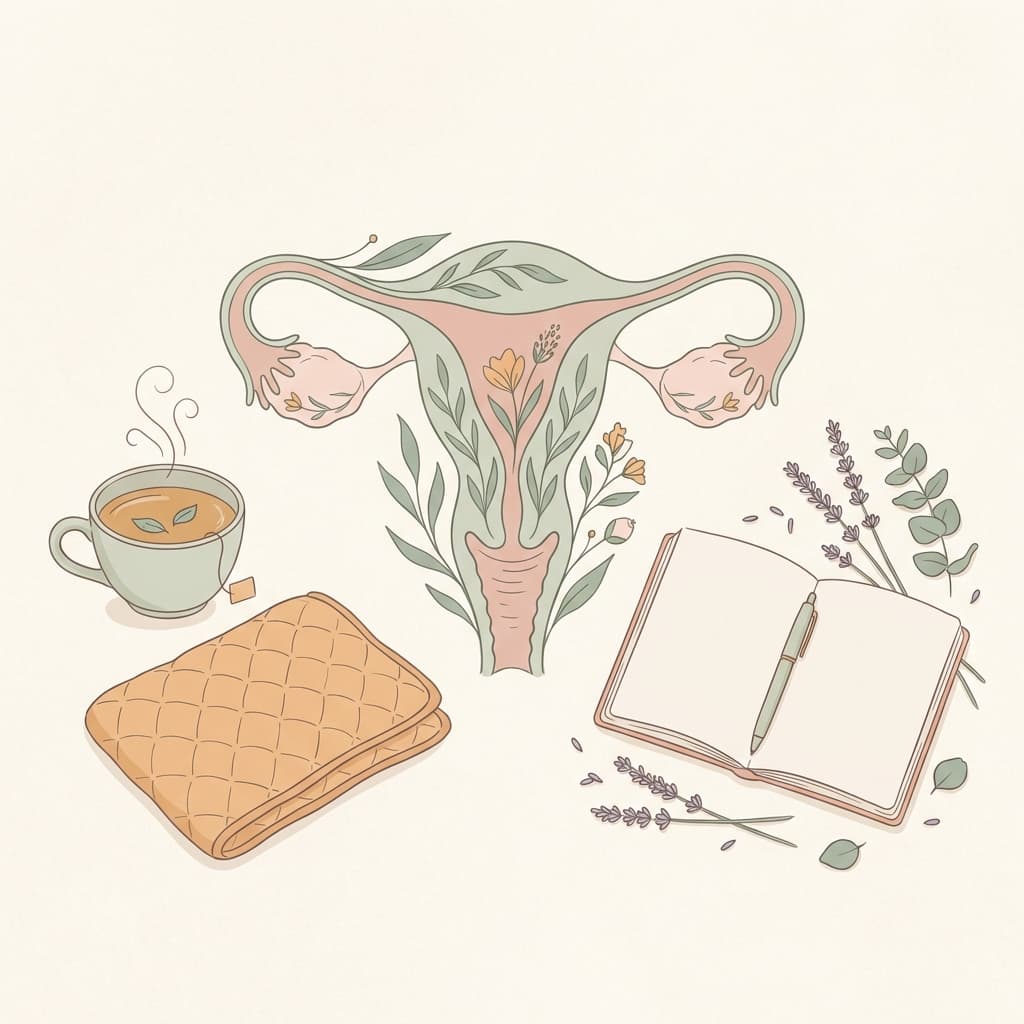

If you find yourself canceling plans, missing work, or doubled over in pain every month, you're right to wonder if something more is going on. You may have heard of Polycystic Ovary Syndrome, or PCOS, and are asking the question: Is this the reason my periods are so painful? Many people ask, 'does PCOS cause painful periods?' and this guide explores that connection.
The short answer is yes, it absolutely can be. While PCOS is more famous for causing irregular or missed periods, the condition is strongly linked to significant pain for many. To understand why, it's crucial to know that PCOS isn't just a problem with the ovaries. At its core, it's a very common hormonal imbalance.
Think of hormones as messengers carrying instructions all over your body. With PCOS, some of those crucial messages get mixed up or sent too loudly. This is the essence of the hormonal imbalance and painful menstruation that so many experience. It's this fundamental miscommunication that sets the stage for a wide range of symptoms, including more intense period pain.
Because of these mixed-up messages, doctors look for a few key signs to diagnose PCOS. These typically include irregular menstrual cycles, higher levels of androgens-hormones that everyone has, but which can be elevated in PCOS, contributing to symptoms like acne-and sometimes, cysts on the ovaries. This hormonal foundation is key to connecting the dots to your pain.
Key Takeaways
PCOS can cause painful periods by driving hormonal imbalances that promote chronic low-grade inflammation and increased prostaglandins, leading to stronger cramps. Pain may be deep, sharp, and radiating—and can occur even outside periods—so distinguishing from endometriosis is important, though both can coexist. Relief strategies include anti-inflammatory eating and gentle movement, supports like magnesium, omega-3s, and heat, plus medical options such as hormonal birth control and prescription anti-inflammatories. Track symptoms and consult a healthcare provider for accurate diagnosis and a personalized plan.
Summary
PCOS is a common hormonal imbalance that can drive severe menstrual pain by promoting chronic low-grade inflammation and excess prostaglandin production. Pain may feel deep, sharp, or radiating and can also occur outside periods; distinguishing it from endometriosis hinges on overall patterns (PCOS often with irregular cycles and androgenic symptoms; endometriosis with regular heavy cycles and pain with sex/urination/bowel movements), though both can coexist. Relief strategies include an anti-inflammatory diet, gentle movement, targeted supplements like magnesium and omega-3s, heat therapy, and medical options such as hormonal birth control and prescription anti-inflammatories. Tracking symptoms and consulting a healthcare provider is essential for accurate diagnosis and a tailored treatment plan.
The Hidden Connection: How PCOS Fuels More Painful Periods
So, if PCOS is a hormonal issue, how exactly does it translate into intense physical pain during your period? The answer involves a chain reaction that happens throughout your body. The hormonal imbalances common in PCOS can create a state of chronic, low-grade inflammation.
Think of inflammation as your body's internal alarm system. When you get a cut, the area gets red and puffy—that's acute inflammation. With PCOS, the body's alarm can be stuck in a low-buzzing "on" mode all the time. This constant state of alert doesn't always have obvious outward signs, but it sets the stage for more painful periods.
Cramps are caused by chemicals called prostaglandins. Your body releases these to make the uterus contract and shed its lining. Some prostaglandins are necessary, but when your system is already inflamed from PCOS, it tends to overproduce them. This overproduction explains why PCOS periods can be so painful.
This flood of extra prostaglandins creates stronger, more frequent, and more agonizing uterine contractions than what might be considered "normal." The result is pain that isn't just "in your head"—it's a direct outcome of a real biological process. The hormonal imbalance leads to inflammation, which in turn ramps up the production of cramp-causing chemicals, leading to severe pain.
What Does PCOS Period Pain Actually Feel Like?
While "cramps" is the word we often use, for many with PCOS it doesn't begin to cover the experience. The pain isn't just a simple tightening in the lower abdomen. Because of the widespread inflammation and intense uterine contractions, PCOS period pain can feel more severe, more complex, and show up in ways that go beyond typical menstrual discomfort. Recognizing these different sensations helps you explain your experience and seek the right help.
Instead of just one type of pain, you might feel several. This can include a constant, heavy ache deep in your pelvis that feels like a weight is pressing down on your organs. Many also report sharp, stabbing, or electric jolts of pain that can take your breath away. This intense PCOS pelvic pain doesn't always stay in one place; it can radiate into your lower back or travel down your inner thighs, making it hard to get comfortable.
If this description sounds more familiar than the idea of "normal" cramps, your experience is valid. This level of pain is not something you just have to endure, and it warrants a conversation with your doctor. However, since severe pelvic pain can also be a sign of other conditions, such as endometriosis, it's important to understand the differences and get a clear diagnosis.
PCOS Pain vs. Endometriosis: Could It Be Something Else?
While PCOS can certainly cause debilitating cramps, it's not the only condition known for severe pelvic pain. If your pain is the most prominent symptom you have, it's worth knowing about endometriosis . This is a condition where tissue similar to the lining of your uterus grows in other places, like on your ovaries or fallopian tubes. This misplaced tissue causes intense inflammation and pain, especially during your period.
How can you tell the difference between PCOS period pain vs endometriosis? While only a doctor can give you a diagnosis, the overall pattern of your symptoms provides important clues. If you've been searching 'pcos symptoms pain,' notice what tends to show up with the cramps. The key often lies in what happens alongside the severe menstrual cramps.
-
PCOS Pain: Is often accompanied by irregular or absent periods. The underlying hormonal imbalance also frequently causes other signs like cystic acne, unwanted hair growth, or thinning hair on your scalp.
-
Endometriosis Pain: Can occur with regular, but often very heavy, cycles. The pain tends to get worse over time and may also appear during sex, urination, or bowel movements.
To make matters more complex, it's possible to have both conditions at once, which requires careful medical investigation to untangle. If pain is disrupting your life, the most important step is getting a clear diagnosis from a healthcare provider. This is the only way to ensure you receive the right treatment. But what about pelvic pain when you're not on your period?
What About Pelvic Pain When You're NOT on Your Period?
Pelvic pain that shows up outside of your period can be confusing, but it's a real symptom for many with PCOS. Instead of the intense cramping you might feel during menstruation, this pain often feels different—more like a dull, persistent ache in your lower abdomen or a sudden, sharp twinge on one side. This experience of PCOS pelvic pain when not on your period is an important clue your body is giving you, and it's definitely not something to ignore.
One common culprit is ovulation pain, a sharp discomfort that can occur when an ovary releases an egg. Since ovulation can be irregular and unpredictable with PCOS, this pain might seem to appear at random times. Another reason can be the ovaries themselves. The multiple small follicles, often called "cysts," can cause the ovaries to be slightly enlarged, leading to a feeling of fullness, pressure, or a constant dull ache in your pelvis.
Just like with painful periods, this pain between cycles is worth tracking and discussing with your doctor. It provides a more complete picture of how PCOS affects your body and helps untangle the connection between the condition and your overall pain symptoms. Recognizing these patterns is a crucial step toward finding relief, as many of the same strategies that help with menstrual cramps can also ease this discomfort.
Lifestyle Steps to Genuinely Relieve PCOS Period Pain
While medication is a cornerstone of managing PCOS, the small choices you make every day can have a surprisingly big impact on your pain levels. Think of these lifestyle changes for better PCOS periods not as a chore, but as a way to actively work with your body. Since underlying inflammation can worsen cramps, adjusting your diet and movement can directly target one of the key sources of PCOS-related pain, offering you a powerful sense of control.
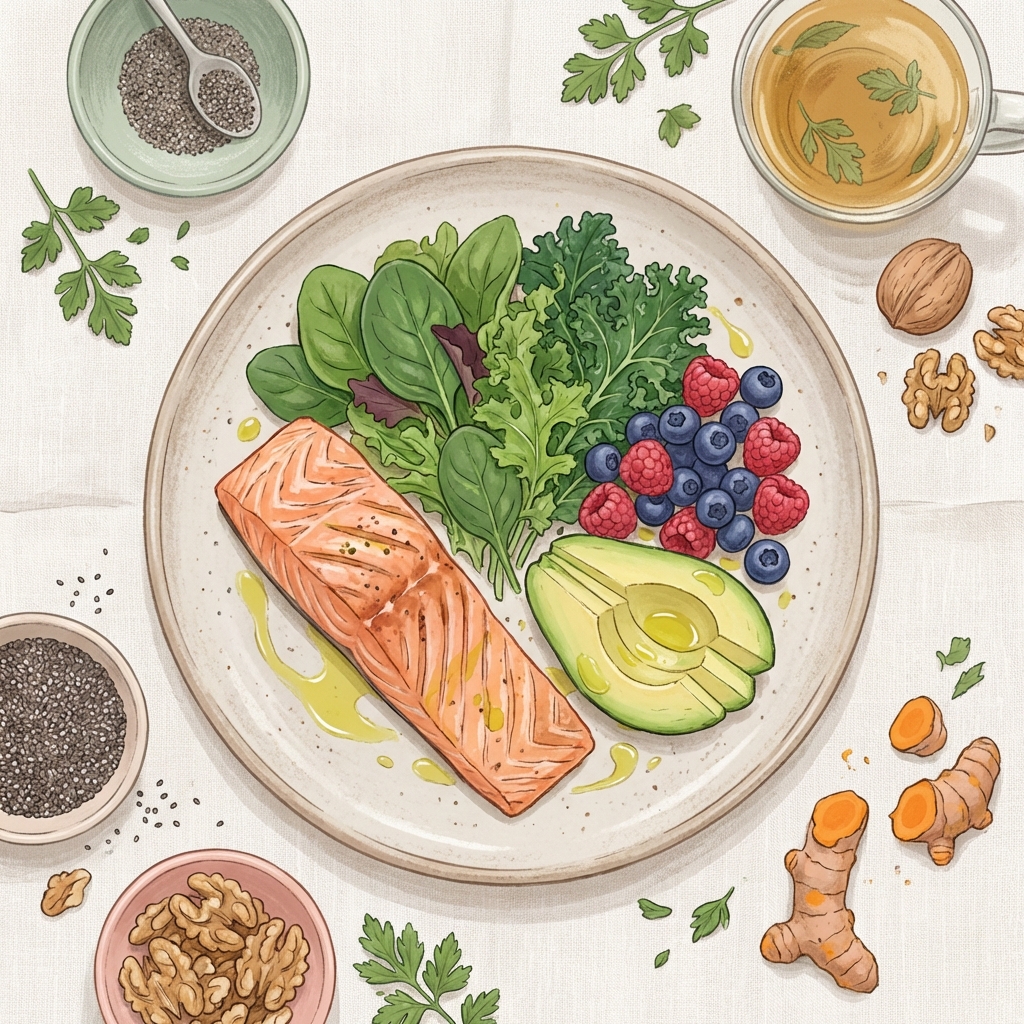
One of the most effective natural remedies for PCOS menstrual cramps starts on your plate. Focusing on an anti-inflammatory diet means choosing foods that help calm your system down. This doesn't require a complete overhaul overnight. Simple swaps, like choosing fish rich in omega-3s (like salmon) over processed meats, or adding a handful of spinach and berries to your smoothie, can make a real difference. The goal is to gradually reduce foods known to fuel PCOS inflammation and period cramps, such as sugar, refined carbohydrates, and processed snacks, while increasing whole foods like fruits, vegetables, and healthy fats.
When you're doubled over with cramps, exercise might be the last thing on your mind. However, gentle movement can be one of your best allies. Activities like a brisk walk, gentle stretching, or a calming yoga flow encourage your body to release endorphins—your brain's own natural painkillers. These amazing chemicals not only help block pain signals but also boost your mood and reduce stress, which in turn helps support better hormone balance. The key is to listen to your body and choose movement that feels good, not punishing.
These daily habits—what you eat and how you move—are foundational tools for managing PCOS pain. They work by addressing the underlying inflammation and hormonal static that contribute to severe cramps. While they are a vital part of a holistic approach, they aren't the only piece of the puzzle. Beyond diet and exercise, certain natural supplements are also gaining attention for their ability to support these efforts and provide additional relief.
Natural Remedies and Supplements That Can Help
Beyond the kitchen and the yoga mat, a few targeted supplements and remedies can offer powerful support in your mission to find relief. These options work alongside your lifestyle efforts, often addressing the same core issues of muscle tension and inflammation that drive PCOS period pain. When looking for natural remedies for PCOS menstrual cramps, think of these as additional tools in your pain-management toolbox.
Here are a few options that research suggests can help and why they work:
-
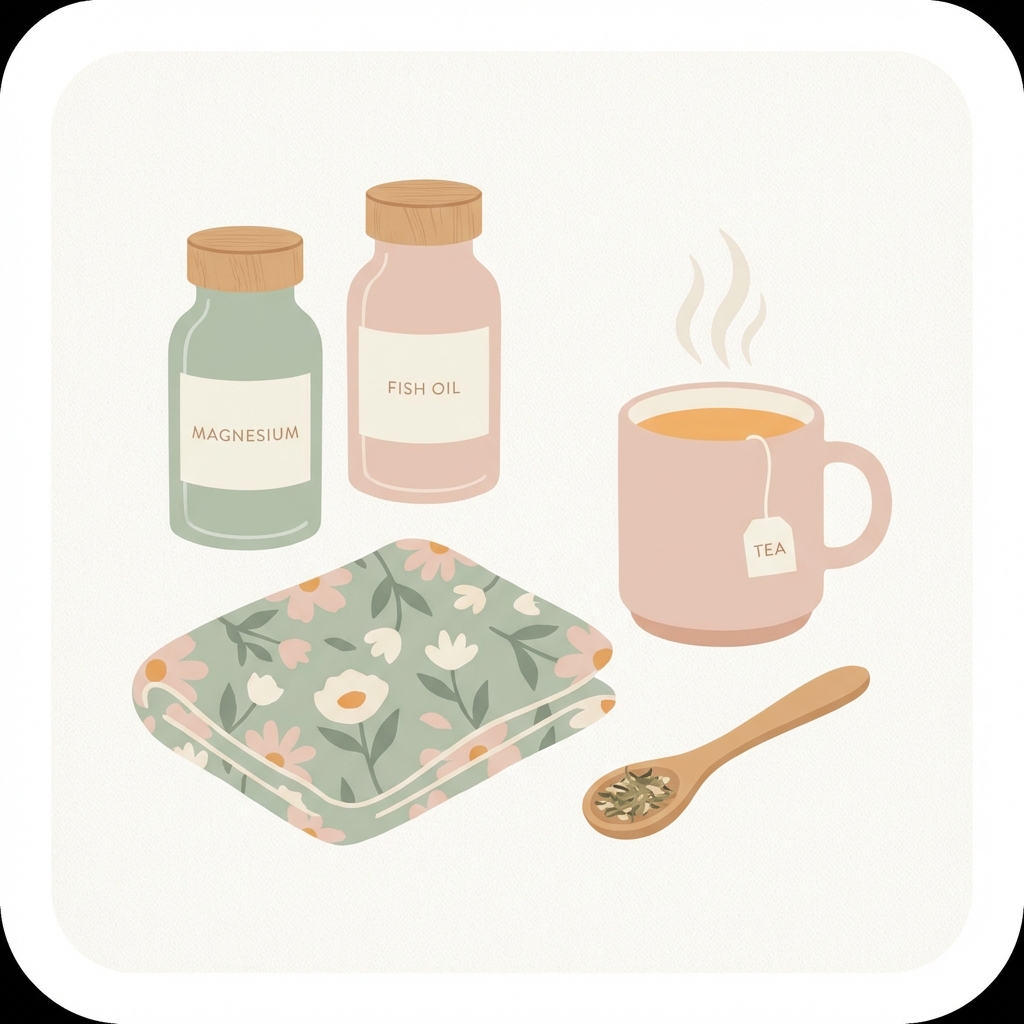
Magnesium: The Muscle-Relaxer. Your uterus is a strong muscle, and cramps are its contractions. Magnesium is a mineral known to help muscles relax. Taking a magnesium supplement may help ease the intensity of uterine cramping, leading to less pain.
-
Omega-3 Fatty Acids: The Inflammation-Fighter. Building on what we know about inflammation, omega-3s (often found in fish oil) are famous for their anti-inflammatory properties. These supplements can help lower the overall inflammation in your body, which in turn can reduce the production of the cramp-causing chemicals.
-
Heat Therapy: The Classic Cramp-Soother. Never underestimate the power of a simple heating pad. Applying heat to your lower abdomen helps relax the uterine muscles and boosts circulation to the area, which can significantly dull the ache of period pain.
It's crucial to remember that "natural" doesn't always mean "risk-free." Before starting any supplements to help PCOS period pain, you must talk to your doctor. They can ensure you're taking the right dose, check for any potential interactions with other medications, and help you choose high-quality products.
When lifestyle changes and natural remedies aren't enough to manage the pain, it's not a sign of failure—it's a sign that you may need a different type of support. For many, the next step involves exploring medical treatments that can offer more significant and direct relief.
How Medical Treatments Can Offer Significant Relief
When lifestyle changes and natural remedies aren't enough, medical treatments can be the key to reclaiming your life from severe pain. These options are designed to tackle the problem more directly, offering a powerful path to relief and predictability when managing severe menstrual cramps with PCOS.
Hormonal birth control is a very common starting point. It works by regulating your hormone levels, giving your system a break from the disruptive fluctuations that fuel PCOS symptoms. This process often thins the uterine lining, meaning your body produces far fewer of those cramp-causing chemicals called prostaglandins. The result is typically a lighter and significantly less painful period.
Because it targets the root hormonal imbalance, using birth control for PCOS painful periods is a well-established and effective approach. However, it's not the only tool available. Your doctor might also suggest prescription-strength anti-inflammatory medications that are specifically designed to block pain signals more effectively than over-the-counter options.
Ultimately, the goal is to restore your quality of life. Finding the right treatment for painful periods with polycystic ovary syndrome is a collaborative process with your healthcare provider, ensuring the plan you create aligns with both your health needs and personal goals.
Your Action Plan: How to Talk to a Doctor About Your Pain
You started by asking if there was a hidden reason behind your painful periods, and now you understand the connection between hormonal imbalances and pain. More importantly, you're equipped to stop wondering and start acting.
So, when is it time to see a doctor? If your period pain regularly disrupts your life—causing you to miss school or work, or if it isn't relieved by over-the-counter medication—it's time to seek answers. Debilitating pain that puts your life on hold is not something you just have to endure.
To make that conversation as productive as possible, prepare with a little data. For one or two cycles, use a calendar or a period-tracking app to note your pain level (1-10), the type of pain (e.g., 'sharp,' 'dull ache'), and any other symptoms like acne or fatigue. Walking into your appointment with this information is incredibly powerful.
Bring these questions with you to start a clear and direct conversation about the PCOS and dysmenorrhea connection:
-
"Could my severe period pain be related to a hormonal condition like PCOS?"
-
"What tests do you recommend to find the cause of my pain?"
-
"Based on all my symptoms (pain, irregular cycles, etc.), what are the possibilities?"
Your pain is real, and you deserve a clear path toward relief. Taking this step is the first, most important move toward getting answers and feeling better.
Explore this topic
Related articles
January 30, 2026
Can PCOS Cause Severe Period Pain? What You Need to Know
Can PCOS really cause severe period pain? We explore the complex relationship between polycystic ovary syndrome and intense menstrual cramps, including when symptoms indicate something more.
January 29, 2026
Does Irregular Menstruation with PCOS Make Period Pain Worse?
Irregular periods are a hallmark of PCOS, but do they make your cramps more intense? We explore the science behind how unpredictable cycles affect period pain severity.
January 4, 2026
Does PCOS Cause Painful Periods? Understanding the Connection
Does PCOS cause painful periods? Learn about the relationship between PCOS and menstrual pain, including why some people with PCOS experience cramping while others don't.