Endo Flares at Night: Why Pain Worsens and How to Cope
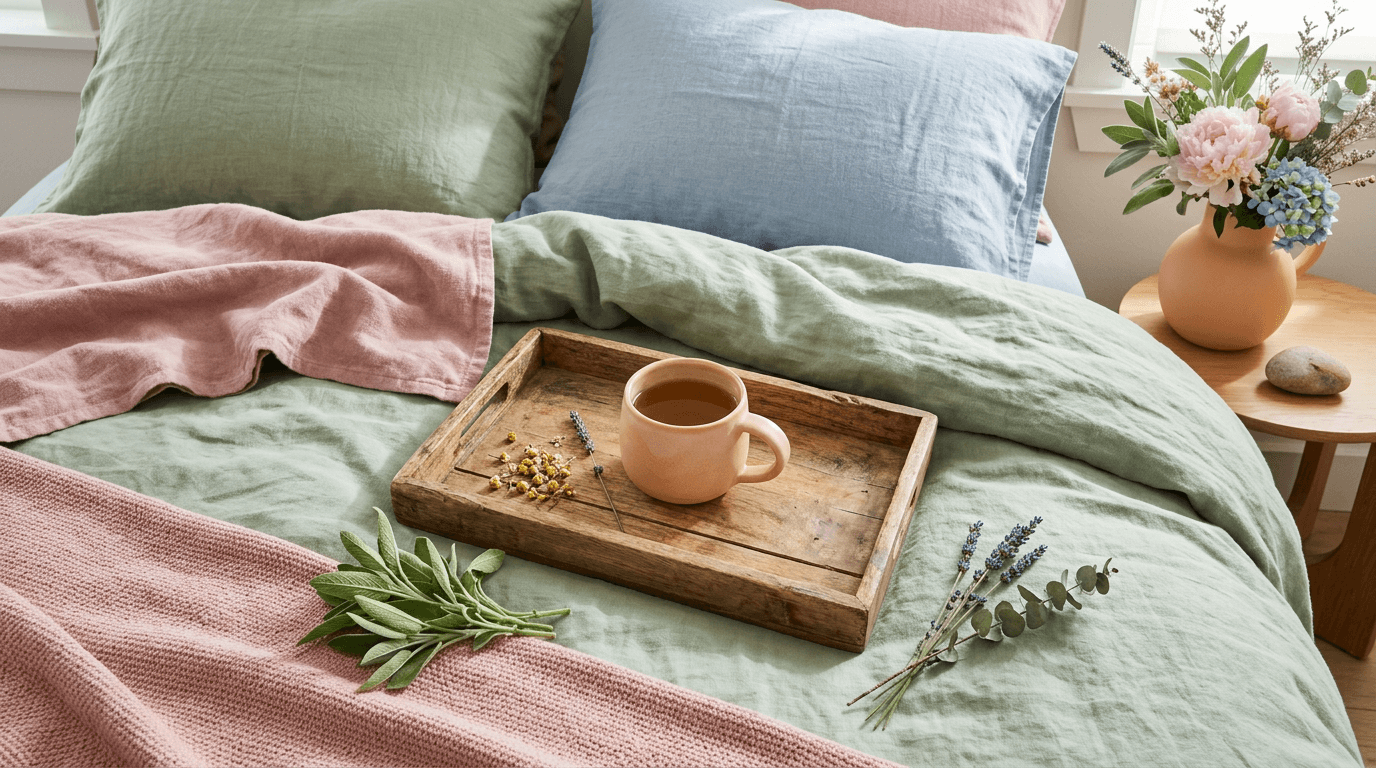

Why Endometriosis pain feels worse at night
For people living with endometriosis, evening often brings an increase in pelvic pain, cramping, and general discomfort. If you have ever wondered why your endo flare symptoms intensify the moment you lie down, you are not alone. This is a common experience, though it can feel incredibly isolating to face physical distress in the middle of the night.
The link between nighttime and increased pain is more than just bad luck. It is a mix of biological processes, shifts in hormones, and changes in our environment. Understanding why these flares worsen at night can help you find better ways to manage the pain and get some rest.
Circadian rhythms and inflammation
One reason pain feels sharper at night is your internal biological clock. This circadian rhythm regulates your sleep cycles and the release of various chemicals in the body. Research shows that inflammatory markers often peak during late-night and early-morning hours.
The cortisol drop
Cortisol is often called the "stress hormone," but it is also a natural anti-inflammatory. Usually, cortisol levels are highest in the morning to help you wake up. They gradually drop throughout the day and hit their lowest point around midnight.
When cortisol levels fall in the evening, your body loses some of its natural ability to keep inflammation in check. For someone with endometriosis—which is an inflammatory condition—this drop can make lesions and tissues feel more sensitive. This is often why a flare seems to strike just as you are trying to fall asleep.
Immune system activity
At night, your immune system shifts its energy toward repair. This process often involves producing pro-inflammatory cytokines. While this is normal for a healthy body, it can cause a surge in localized pain for those with chronic inflammatory conditions. This heightened activity is likely responsible for the throbbing or sharp pelvic pains that keep you awake.
Sensory input and pain perception
Your environment changes when you go to bed. During the day, your brain is busy with work, conversations, noise, and movement. These distractions can filter out some of the pain signals sent to your brain.
When you lie down in a dark, quiet room, those distractions go away. The brain is no longer busy with external information, so it may focus entirely on internal signals. Without anything else to process, a flare that was manageable at 2:00 PM can feel overwhelming at 2:00 AM. The stress of knowing you have to be awake for work the next morning can also make your pain tolerance feel much lower.
How physical position affects pain
The way you lie down can sometimes make pelvic pain worse. If you have endometriosis or adenomyosis, your uterus or other tissues might be inflamed or attached to nearby organs.
Sleeping on your stomach
This position puts direct pressure on the pelvic area and may increase your discomfort. It can also strain the lower back, which is a common spot for referred pain during an endo flare.
Stiffness from immobility
Staying still for long periods can cause muscles to stiffen. Pelvic floor muscles often stay tensed or "guarded" to protect against pain. Without the gentle movement of your daily routine, these muscles can become even more sensitive, leading to a dull, persistent ache through the night.
Ways to manage nighttime Endo flares
You can’t change your biology, but you can change how you respond to it. Creating a routine that targets both the physical and mental sides of pain can help.
Heat and comfort kits
Heat is a reliable way to soothe pelvic cramps. A heating pad, hot water bottle, or wearable heat patch helps relax the pelvic floor and improves blood flow. It is a good idea to keep an endo flare survival kit right by your bed so you don't have to walk through the house while you are hurting.
Better sleep positions
Changing your posture in bed can take the pressure off your pelvic organs:
- The Fetal Position: Tucking your knees toward your chest helps relax the abdominal muscles.
- Pillow Support: If you sleep on your side, put a pillow between your knees to help align your hips. If you sleep on your back, put a pillow under your knees to support the curve of your spine and relax the pelvic floor.
Distraction techniques
Since your brain focuses more on pain when it’s quiet, adding soft sensory input can help. You might try:
- White or brown noise: Constant background sounds give your brain something else to focus on.
- Guided meditations: Body scans or breathing exercises can help lower your nervous system's "alert" level.
- Audiobooks: A calm story or a familiar podcast can provide enough distraction to help you drift off.
When to see a doctor
If nighttime pain is regularly ruining your sleep, you should talk to your doctor. Lack of sleep makes the body more sensitive to pain, which creates a difficult cycle to break.
Before your appointment, try to gather some data. Note when the pain peaks, if it is stabbing or dull, and what helps even a little bit. An endometriosis tracker app is a helpful tool for organizing these details into a report for your physician.
More resources for managing flares
For more advice on living with chronic pelvic pain, you may find these guides helpful:
- What Is an Endometriosis Flare-Up? Signs, Length, and Relief
- Choosing the right endometriosis tracker app
Track your patterns with endolog
Managing endometriosis is about finding the patterns in your own body. While nighttime flares are a reality for many, tracking your triggers and what brings you relief can help you have better conversations with your medical team.
Endolog helps you turn your daily experience into useful data. By logging your pain, bleeding and other symptoms, you can see exactly how the condition affects you over time. Start tracking today to take a more informed approach to your health.
This article is general information, not medical advice. Read how we write and check our articles in our editorial policy.
Explore this topic
Related articles
February 22, 2026
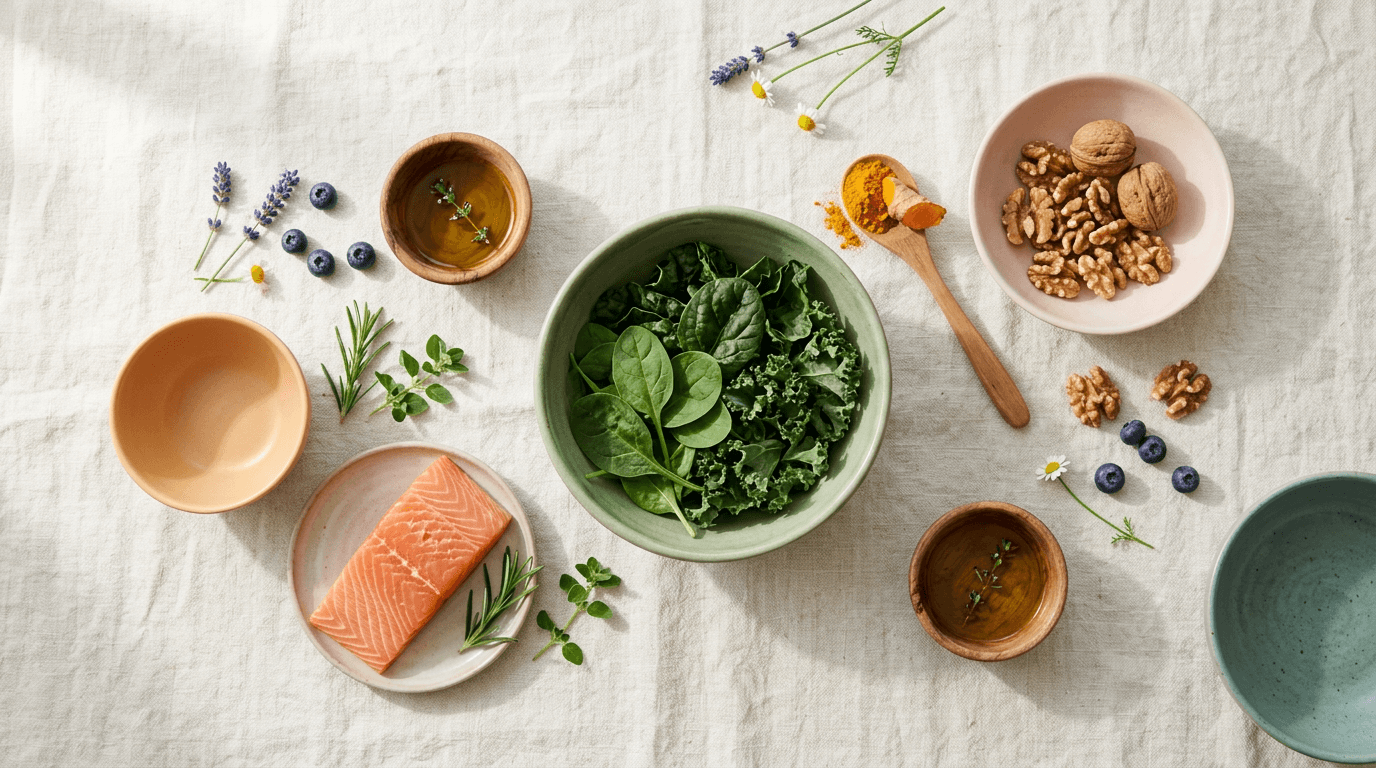
Anti-Inflammatory Diet for Endometriosis: What to Eat
Discover how an anti-inflammatory diet can help manage endometriosis symptoms. Learn which foods to eat and avoid to support your pelvic health today.
October 6, 2026
Ibuprofen or Naproxen for Period Cramps: Which and When
Ibuprofen for period cramps works about as well as naproxen. See how often to take each, when to start, who should avoid them and when to see a doctor.
October 5, 2026
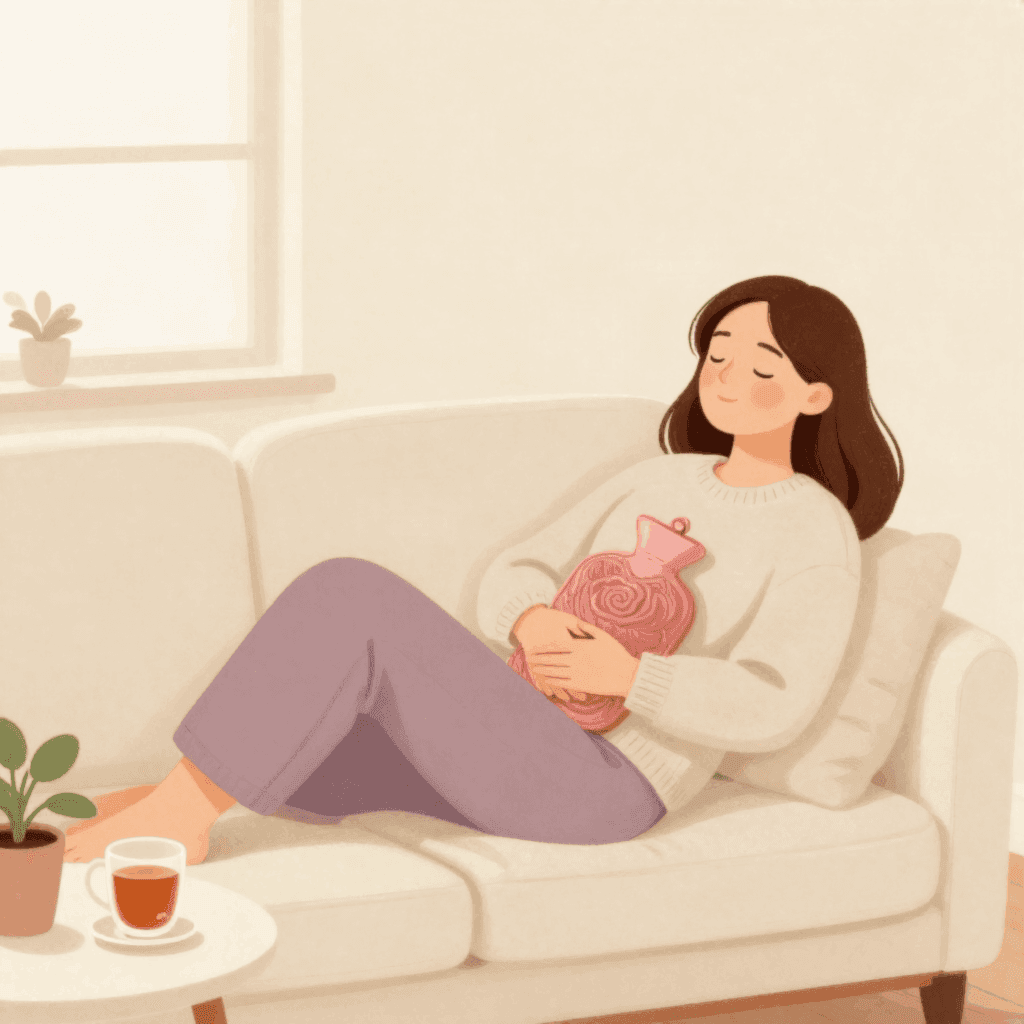
Heating Pads for Endometriosis and Period Pain: Safe Use
How to use a heating pad for endometriosis and period pain: how hot, how long, where to put it, why not to sleep on it, heat rash, and when to see a doctor.
October 3, 2026
What Helps With Period Cramps? Options With Evidence
What helps with period cramps: anti-inflammatory painkillers taken early, heat, exercise and hormonal birth control. See the evidence and when to get help.
March 16, 2026
Back Pain During Period: Causes, Relief and When to Worry
Back pain during period days often comes from cramps that spread to the lower back. Learn what helps, what to track, and when it can mean endometriosis.
March 10, 2026
How to Get a Referral to an Endometriosis Specialist
Learn how to secure a referral to an endometriosis excision specialist. Use our scripts and tracking tips to advocate for the expert care you deserve today.
