Anti-Inflammatory Diet for Endometriosis: What to Eat
Understanding the link between inflammation and Endometriosis
Endometriosis is an inflammatory condition. While it is defined by tissue similar to the uterine lining growing outside the uterus, the chronic pain and systemic health issues it causes are driven by inflammation. The immune system and specific inflammatory markers influence how the disease progresses and the amount of pain you feel.
When these inflammatory responses stay high, it often leads to increased pelvic pain, fatigue, and the uncomfortable digestive bloating many call "endo belly." Diet isn't a cure for endometriosis, but changing how you eat can help manage these symptoms by lowering the total inflammatory load on your body.
Can diet really help manage endometriosis?
Nutritional changes work best when you have realistic expectations. Food is a tool to help manage symptoms, not a substitute for surgery or medical care. However, research indicates that what you eat can change the severity of endometriosis symptoms.
An anti-inflammatory eating plan focuses on whole foods that are high in antioxidants and healthy fats. These nutrients help neutralize free radicals and lower the production of proteins that trigger inflammation. If you focus on adding beneficial foods rather than just cutting things out, you can build a sustainable way to support your pelvic health.
Key foods to emphasize
Building an anti-inflammatory plate means choosing foods that help your body protect itself. Instead of following a strict or restrictive protocol, many people find success with a pattern similar to the Mediterranean diet.
Omega-3 fatty acids
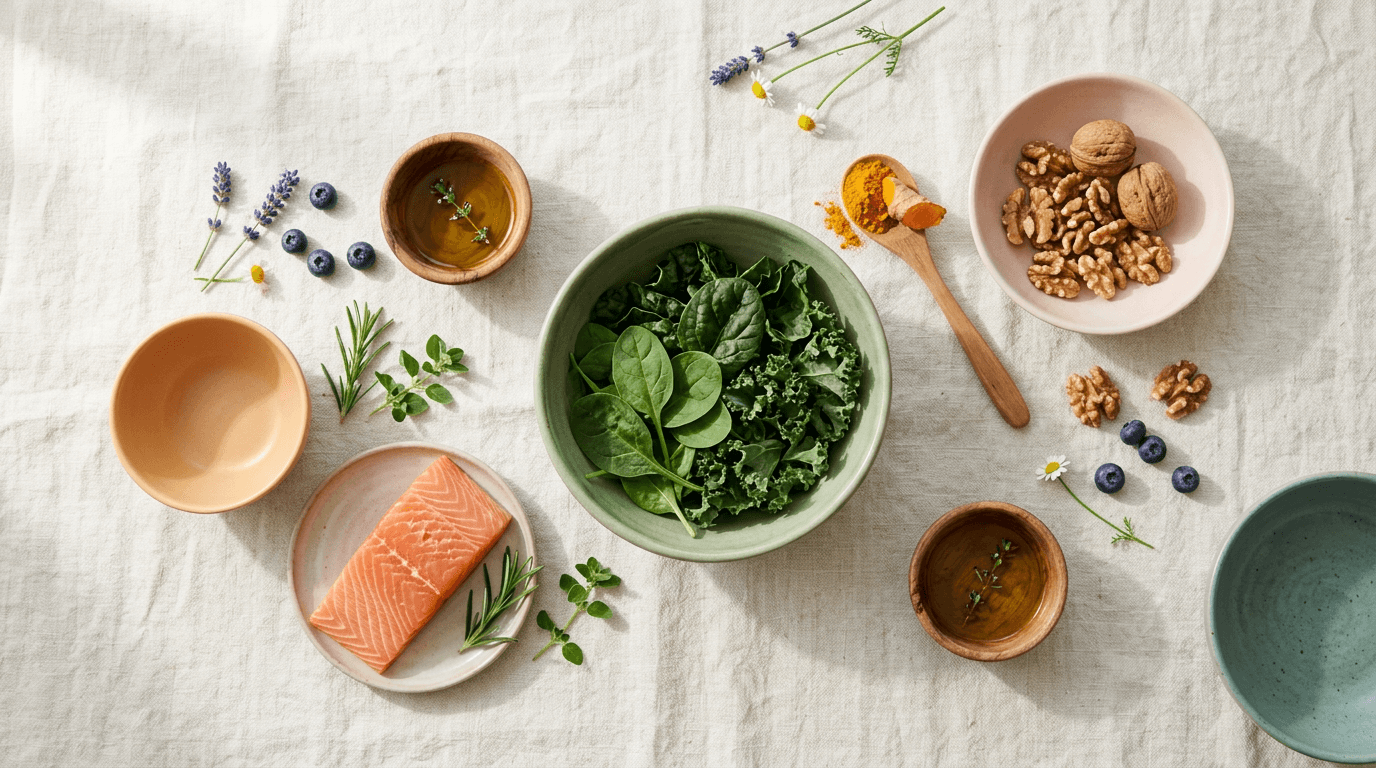
Omega-3s are some of the most effective tools for fighting inflammation. These fats are found in oily fish like salmon, sardines, and mackerel. If you don't eat fish, you can get them from walnuts, chia seeds, flaxseeds, and hemp hearts.
Omega-3s help block the production of prostaglandins, which are chemicals in the body that signal pain. Having a higher ratio of omega-3s compared to omega-6 fats is often helpful for managing chronic pelvic pain.
Leafy greens and cruciferous vegetables
Vegetables like kale, spinach, broccoli, and Brussels sprouts are excellent for anyone with endometriosis. These greens are packed with vitamins and minerals.
Cruciferous vegetables also contain indole-3-carbinol. This compound helps the liver process estrogen. Since endometriosis reacts to estrogen, supporting your body’s hormone metabolism is a practical way to manage the condition through nutrition.
Turmeric and ginger
Spices can be more than just flavor. Turmeric contains curcumin, which is studied for its ability to lower inflammation. When you eat it with black pepper, your body absorbs the curcumin much better. Ginger is another helpful choice, especially for soothing the nausea and digestive upset that often come with endo flares.
High-fiber foods and whole grains
Fiber is necessary for regular bowel movements, which is how the body gets rid of excess hormones and waste. If digestion is slow, estrogen can be reabsorbed into your system, which may make symptoms worse. Quinoa, brown rice, oats, and beans provide the fiber needed to keep your digestive system moving.
Foods to consider limiting
Everyone reacts differently to food, but some items are more likely to cause an inflammatory response or trigger digestive pain.
Red meat
Some studies show a link between eating a lot of red meat and a higher risk of endometriosis. Red meat is often high in saturated fats, which can encourage the body to produce pro-inflammatory chemicals. If you enjoy red meat, try choosing smaller portions of lean or grass-fed options.
Sugars and refined carbohydrates
Refined sugars in soda, candy, and processed snacks cause quick spikes in insulin and blood sugar. These spikes can trigger inflammation. Cutting back on white bread, pastries, and sugary drinks may help keep your energy stable and reduce the intensity of your flares.
Alcohol and caffeine
Alcohol is a common trigger for many people. It can raise estrogen levels and put extra stress on the liver, making it harder to maintain a hormonal balance. While some people handle coffee fine, others find that too much caffeine makes pelvic tension worse or irritates the bladder. A symptom tracker is a good way to see if these habits are linked to your pain levels.
Gluten and dairy
Some people with endometriosis try cutting out gluten. In one study, 75% of 207 patients reported less pain after 12 months on a gluten-free diet. The diet studies so far are few and small, with a moderate or high risk of bias, so results like this are not proof.
Dairy is less clear. In a study of more than 70,000 US women, those who ate more dairy foods had a lower risk of endometriosis. If milk or cheese seems to bloat you, track it for a few weeks before you cut it out.
How to find your own food triggers
An endo flare is a spell when pain, tiredness or bloating get worse. If you think food plays a part, test it step by step:
- Keep a food and symptom diary. Log what you eat next to your pain and bloating. A pattern can show after a few weeks.
- Change one food at a time. Then you can tell which change made a difference.
- Get advice before a strict diet. Talk to your doctor or a dietitian before you start one.
If you eat a food that turns out to be a trigger, do not blame yourself. Food is one tool among others.
Practical tips for transitioning your diet
Changing how you eat is hard, especially when you are tired or in pain. You don't need to overhaul your entire kitchen in one day.
- Focus on Additions: Instead of worrying about what you can't have, think about what you can add. Try a handful of spinach in a smoothie or walnuts as a snack.
- Batch Cook: When you have a high-energy day, make a large pot of soup or a tray of roasted vegetables. This way, you have healthy food ready when a flare makes cooking feel impossible.
- Listen to Your Body: Nutrition is personal. Some people with endometriosis also have IBS and find that high-fiber foods like beans cause too much bloating. Keeping a pain diary for your doctor that includes food notes can help you find these triggers.
The role of gut health
Researchers are looking closely at the connection between the gut and endometriosis. The microbiome—the bacteria in your gut—helps regulate your immune system and your estrogen levels.
By eating various plant foods and fermented items like kimchi or plain yogurt, you support a healthy microbiome. This helps lower the overall inflammation that can make endometriosis progress.
Customizing your approach
There isn't one "Endo Diet" that is perfect for everyone. Some people feel better without gluten, while others use a low-FODMAP diet to stop bloating. The goal is to find a balance that reduces your pain without making life too stressful or causing nutritional gaps. Talk to a dietitian or your doctor before making major changes to ensure you’re still getting the nutrients you need.
Related guides
- 20 Symptoms of Endometriosis and What the Pain Feels Like
- Pain Diary for Your Doctor: What to Track and How to Share
- Using Technology to Track Your Health Patterns
Track your progress with endolog
Learning which foods help you and which ones cause problems takes time. Because endometriosis changes from day to day, having data helps you see the patterns.
With Endolog, you can log your meals right next to your pain levels and cycle. Over time, you can create reports to show your doctor, helping you find a plan that works for your specific body. Download the Endolog app today to start tracking your symptoms.
Sources
- Effectiveness of Dietary Interventions in the Treatment of Endometriosis: a Systematic Review (Nirgianakis K et al. Reproductive Sciences, 2021), PubMed Central
- Dairy-food, calcium, magnesium, and vitamin D intake and endometriosis: a prospective cohort study (Harris HR et al. American Journal of Epidemiology, 2013), PubMed
This article is general information, not medical advice. Read how we write and check our articles in our editorial policy.
Explore this topic
Related articles
February 20, 2026
Endo Flares at Night: Why Pain Worsens and How to Cope
Discover why endometriosis pain often peaks at night and learn effective strategies for relief, from hormone shifts to better sleep positioning for endo flares.
October 6, 2026
Ibuprofen or Naproxen for Period Cramps: Which and When
Ibuprofen for period cramps works about as well as naproxen. See how often to take each, when to start, who should avoid them and when to see a doctor.
October 5, 2026
Heating Pads for Endometriosis and Period Pain: Safe Use
How to use a heating pad for endometriosis and period pain: how hot, how long, where to put it, why not to sleep on it, heat rash, and when to see a doctor.
October 3, 2026
What Helps With Period Cramps? Options With Evidence
What helps with period cramps: anti-inflammatory painkillers taken early, heat, exercise and hormonal birth control. See the evidence and when to get help.
March 16, 2026
Back Pain During Period: Causes, Relief and When to Worry
Back pain during period days often comes from cramps that spread to the lower back. Learn what helps, what to track, and when it can mean endometriosis.
March 10, 2026
How to Get a Referral to an Endometriosis Specialist
Learn how to secure a referral to an endometriosis excision specialist. Use our scripts and tracking tips to advocate for the expert care you deserve today.
