Warning Signs an Endo Flare Is Coming: Early Detection Guide


Spotting the early signs of an endometriosis flare can feel like gaining a bit of control over an unpredictable situation. For many, pelvic pain flares seem to hit out of nowhere with crushing intensity. However, most people eventually notice a "prodromal phase"—a window of time where the body shifts in subtle ways before the full flare arrives.
Learning these indicators helps you move from reacting to pain to preparing for it. When you identify what is an endo flare in its early stages, you can change your plans, set up your space, and perhaps even dampen the severity of the symptoms.
The prodromal phase
In medicine, a "prodrome" is the gap between the first signs of trouble and the full-blown event. Much like the aura that precedes a migraine, endometriosis often sends out signals. Because these signs are usually not in the pelvis, it is easy to blame them on stress or a bad night's sleep.
Endometriosis is an inflammatory condition that affects the whole body. This means you might feel systemic changes before the localized pain in your pelvis hits its peak. Recognizing these patterns takes time and a bit of attention to how your body talks to you.
Common early warning signs
Every person is different, but those with chronic pain often report a specific set of symptoms in the day or two before a flare begins.
1. A change in fatigue
This isn't just being tired. It is a heavy, lead-like exhaustion. Tasks that were simple yesterday, like walking up stairs or staying focused on a call, suddenly feel impossible. This deep fatigue is often your immune system reacting to rising inflammation.
2. Digestive issues and "endo belly"
Before the sharp pain starts, your digestion may change. You might experience sudden bloating, known as endo belly, or changes in your bathroom habits. Some people feel a dull ache in the lower abdomen or a sense of being uncomfortably full even after a small snack.
3. Brain fog and mood shifts
Inflammation can affect how you think and feel. You might feel irritable, anxious, or have trouble finding the right words. If you feel emotionally fragile or mentally "fuzzy" without a clear reason, it may be an internal response to an upcoming flare.
4. Pulling sensations
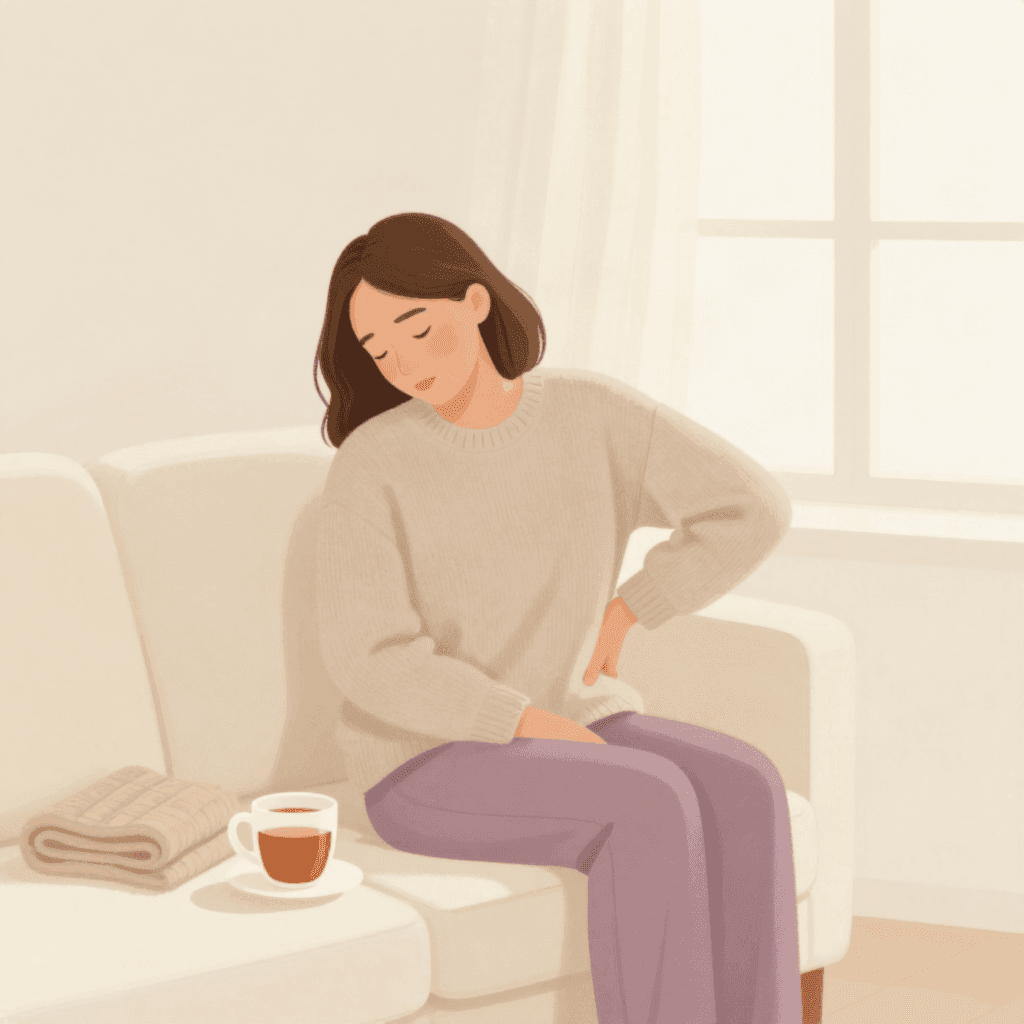
Sometimes the warning is a feeling of tension rather than pain. You might feel a "pulling" in your hips, lower back, or down your legs. This happens as nerves in the pelvic area become sensitive before the inflammatory response fully takes hold.
Why tracking helps
Because these signs are quiet, they are easy to ignore until the pain is too loud to miss. Using an endometriosis tracker app helps you spot these connections. By logging your fatigue and digestive symptoms daily, you can see the data points that lead up to a flare.
Once you see these patterns, you can identify that a specific type of back tightness usually means a flare is coming in 12 hours. This turns a random crisis into something you can anticipate and manage.
What to do when you notice the signs
If you catch the signs early, the goal is to make the coming hours as manageable as possible. You might not stop the flare, but you can change your experience of it.
Prepare your space
Use this time to set up your environment. Make sure your endo flare survival kit is within reach. This usually includes heating pads, comfortable clothes, simple meals, and any medications or supplements your doctor has suggested.
Listen to the fatigue
When that specific exhaustion hits, try to rest. Pushing through these early signs can often make the eventual pain worse. If you can, clear your schedule, swap a hard workout for some gentle stretching, and get to bed early. Reducing your physical stress can help your body handle the inflammation.
Anti-inflammatory habits
Since flares are driven by inflammation, focus on what helps soothe your system. Stay hydrated, avoid foods that you know trigger your bloating, and use slow, gentle movement to keep blood flowing without overdoing it.
Talk to your support system
Early detection gives you time to talk to the people in your life. Instead of canceling plans at the last minute, you can tell your partner, friends, or boss that you feel a flare coming on. This allows you to say, "I'm starting to see my warning signs, so I'll need to take it easy tomorrow."
This kind of communication helps lower the guilt that comes with chronic illness. It also lets others know exactly how to help, whether that means handles chores or just giving you some quiet time.
Finding your personal patterns
To start building your own warning system, ask yourself these questions during your next flare:
- What was the very first thing that felt different yesterday?
- Did my digestion change before the pelvic pain started?
- Was I unusually grumpy or tired 24 hours ago?
- Where did I first feel tension—my back, legs, or bladder?
Over time, you will learn to tell the difference between a typical bad day and the start of a flare.
Resources for managing your health
For more help navigating endometriosis and chronic pain, see these guides:
- What Is an Endometriosis Flare-Up? Signs, Length, and Relief
- Choosing the Best Endometriosis Tracker App for Your Needs
Take control of your symptoms
Spotting an upcoming flare is a skill that gets better with practice. By listening to your body's quieter signals, you can prepare for the louder ones. Tracking is the best way to find these patterns and share them with your doctor.
Download Endolog to start tracking your warning signs and create the reports you need to manage your care effectively.
This article is general information, not medical advice. Read how we write and check our articles in our editorial policy.
Explore this topic
Related articles

March 3, 2026
What Triggers Endo Flare Up? 12 Common Triggers to Watch
Discover common endometriosis flare triggers from inflammatory foods to stress. Learn how to identify your personal patterns and manage chronic pelvic pain.

February 13, 2026
Endometriosis Pain vs. Normal Period Pain: Key Differences
Learn to distinguish endometriosis symptoms from regular cramps. Compare pain intensity, timing, and locations to better understand your pelvic health journey.

February 9, 2026
What Is an Endometriosis Flare-Up? Signs, Length, and Relief
An endo flare is a spell of worse endometriosis symptoms. Learn how it differs from a bad period, how long flares last, what helps, and when to get help.
March 16, 2026
Back Pain During Period: Causes, Relief and When to Worry
Back pain during period days often comes from cramps that spread to the lower back. Learn what helps, what to track, and when it can mean endometriosis.

March 7, 2026
Adenomyosis Flare-Ups: Managing Cyclical Symptom Spikes
Understand adenomyosis flare-ups, from heavy bleeding to intense cramping. Learn effective management strategies and how to track symptoms for better care.

March 4, 2026
Where Is Ovary Pain Felt? Location, Spread, and Causes
Ovary pain is felt low in the tummy on one side, and it can spread to the back, hip, or thigh. Learn what it can mean, including in early pregnancy.
