What Is an Endometriosis Flare-Up? Signs, Length, and Relief

Quick answer: what is an endo flare?
An endo flare, or endometriosis flare-up, is a spell when endometriosis symptoms get worse than usual. It is not a formal medical term. People with endometriosis use it for days of stronger pelvic pain, often with tiredness, bloating, bowel or bladder symptoms, and nausea. A flare can come with a period or at other times in the cycle.
Flares vary a lot from person to person, and so does how long they last. If flares are getting more frequent or more severe, or your treatment no longer controls them, tell your doctor. Get urgent help for sudden severe pain, pain with a high temperature, fainting, or heavy bleeding.
Flare or bad period?
Period pain is common and is not always a sign of disease. Aches and tiredness just before a period, sometimes called period flu, are a common part of PMS. Endometriosis is often marked by pain in the days before a period starts, and by periods so painful that people miss school or work. Period pain with endometriosis often gets worse over time.
Signs that point to endometriosis, not an ordinary bad period:
- Pain that starts in the days before bleeding
- Pain between periods, including around ovulation
- Pain during or after sex, or when you poo or pee
- Pain that is getting worse from cycle to cycle
- Pain that stops your usual activities even with painkillers
Read more in Endometriosis Pain vs. Normal Period Pain.
What happens in the body during a flare
Endometriosis tissue responds to estrogen. It can grow and bleed like the lining of the womb does during a period, and the tissue around it can become irritated, inflamed, and swollen. This is why pain is often worse before and during a period.
Long-term pain can also change how the nervous system handles pain signals. After a long time in pain, the nerves and brain can start to create pain on their own. Central sensitization is a possible risk of this. This helps explain why some flares do not line up with the cycle.
Common flare symptoms
These are symptoms of endometriosis. During a flare, several can get worse at once:
- Pelvic pain, and pain in the lower back
- Severe period pain and heavy bleeding
- Pain during or after sex
- Pain when you poo or pee
- Bloating, nausea, constipation, or diarrhea
- Extreme tiredness
- Low mood or anxiety
Many people with endometriosis have a lot of bloating around their period. It is sometimes called "endo belly". Read more in Endo Belly.
How long does an endo flare last?
There is no set length. Endometriosis is different for everyone, and flares are too. People commonly describe these patterns:
- A day or two. A short spike, for example around ovulation.
- Around a period. Pain that builds in the days before bleeding and eases after the heaviest days.
- Weeks. Pain that stays high for a long time. This is worth raising with a doctor, because it may need a change in treatment, or a check for another cause such as adenomyosis or pelvic floor muscle pain.
Many people also feel drained for a few days after the pain eases. Keeping a record of when flares start and end is the most reliable way to learn your own pattern. See Warning Signs an Endo Flare Is Coming and What Triggers an Endo Flare-Up?.
What helps during a flare
These are general measures. Follow any plan your doctor has given you.
Pain relief
Anti-inflammatory painkillers (NSAIDs) such as ibuprofen and naproxen are often used for endometriosis pain. NSAIDs target prostaglandins, the chemicals behind period cramps. Check with a pharmacist or doctor if you are not sure they are safe for you, and ask your doctor if you need them often.
Heat and TENS
For period pain, a heat pad or a hot water bottle wrapped in a tea towel, or a warm bath, can help, and there are simple rules for how hot and how long to use a heating pad. A TENS machine, a small device that uses mild electrical pulses to reduce pain, is an option a GP may suggest.
Rest and gentle movement
Rest when you need to. Gentle movement, such as a short walk or stretching, helps some people. Stop anything that makes the pain worse.
Loose clothes and easy food
Many people find tight waistbands uncomfortable when they are bloated. Plain, easy meals and plenty of fluids can help if you feel sick.
Longer-term treatment
Hormonal medicines such as the combined pill, patch, or ring, progestins, and the hormonal IUD are options that may reduce how bad and how often the pain is. Surgery to remove endometriosis is another option for some people. Physiotherapy and cognitive behavioural therapy (CBT) can be part of pain care, and pelvic floor physical therapy is another option. Talk to your doctor about what fits you.
Building a flare kit
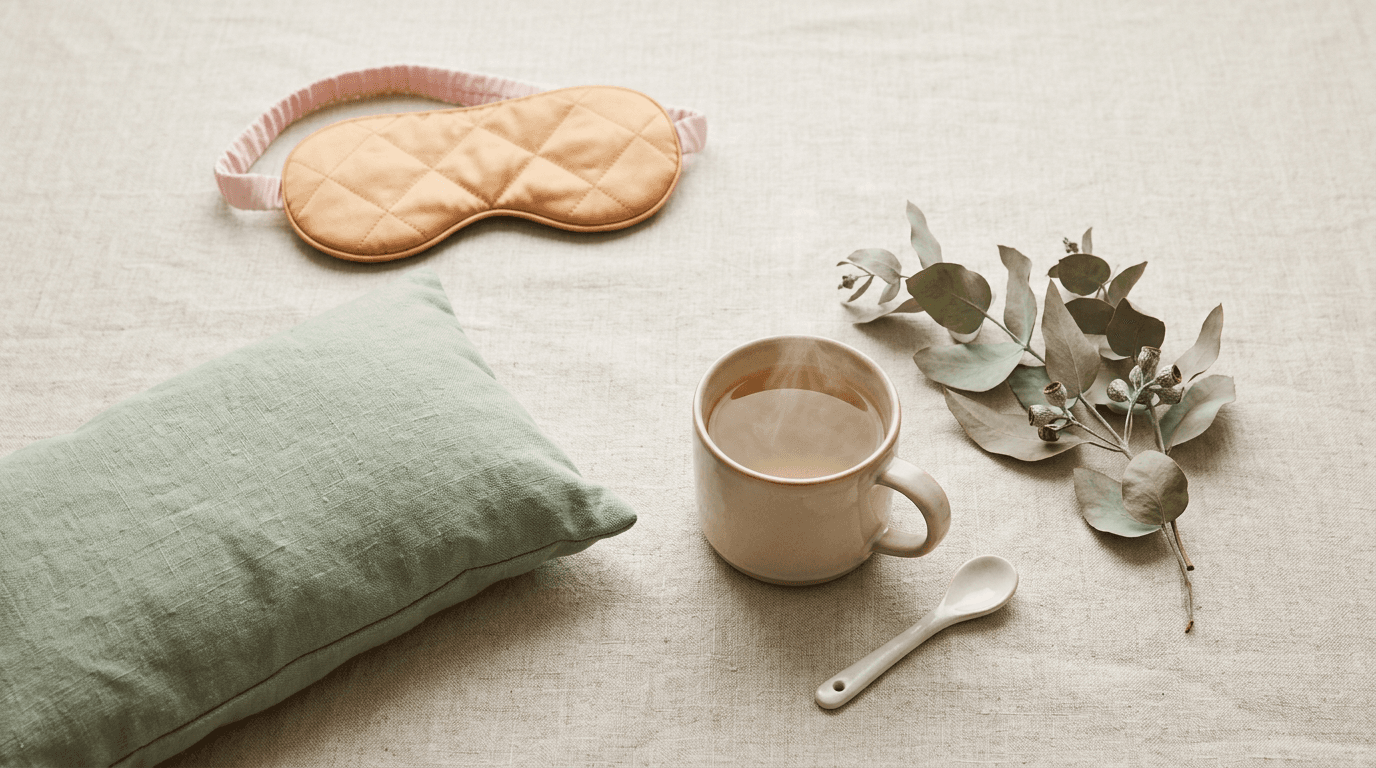
A kit you put together on a good day saves effort on a bad one:
- A heat pad, hot water bottle, or stick-on heat patches
- The painkillers your doctor or pharmacist has said are safe for you
- Loose, comfortable clothes
- Easy snacks and drinks
- A short message you can send to cancel plans or tell work you are unwell
- A signal your family or partner knows means you need support
- A way to log the flare, so you can show your doctor later
When to get urgent help
A flare can feel like your usual endometriosis pain. Some symptoms need urgent care, even if you have endometriosis. Call 999 or go to A&E if you have pelvic pain and any of these signs:
- It is severe, getting worse, or hurts when you move or touch the area
- You feel faint, dizzy, or lightheaded, or you pass out
- You have pain in the tip of your shoulder
- You have heavy bleeding from the vagina
- You have difficulty breathing
- You suddenly feel confused
Get urgent advice if pelvic pain comes with a high temperature, vomiting, blood in your pee or poo, or if you are pregnant or could be.
Talking to your doctor about flares
A record of your flares helps a doctor judge whether your treatment is working. For each flare, note:
- The date it started and ended, and where you were in your cycle
- Where the pain was, and how bad it was at its worst
- Other symptoms, such as bowel, bladder, or tiredness
- What you took or did, and what helped
- What it stopped you doing, such as work, school, or sleep
The Endolog symptom tracker app lets you log each flare with your cycle and export a report for your appointment. If you do not have a diagnosis yet, the endometriosis symptom quiz can help you put your symptoms in one place.
FAQ: endometriosis flare-ups
What does an endo flare feel like?
It varies. Many people describe stronger pelvic pain than usual, sometimes sharp and sometimes a deep ache, with bloating, tiredness, nausea, or pain when they poo or pee.
How long does an endometriosis flare-up last?
There is no standard length. Some flares last a day or two, some follow the days around a period, and some last weeks. Flares that last weeks, or keep getting longer, are worth raising with your doctor.
Can you have an endo flare when you are not on your period?
Yes. Endometriosis can cause pelvic pain at any time in the cycle, and pain in the lower tummy and back at other times is a symptom.
Is an endo flare an emergency?
Usually not, but some symptoms need urgent care. Get help for sudden severe pain, pain with fainting or a high temperature, pain in the tip of your shoulder, or heavy bleeding.
Related guides
Sources
- Endometriosis, NHS
- Endometriosis, American College of Obstetricians and Gynecologists (ACOG)
- Endometriosis fact sheet, World Health Organization
- Endometriosis symptoms, Endometriosis UK
- Chronic Pelvic Pain, American College of Obstetricians and Gynecologists (ACOG)
- Period pain, NHS
- Pelvic pain, NHS
- Premenstrual Syndrome (PMS): frequently asked questions, American College of Obstetricians and Gynecologists (ACOG)
This article is general information, not medical advice. Read how we write and check our articles in our editorial policy.
Explore this topic
Related articles

March 4, 2026
Where Is Ovary Pain Felt? Location, Spread, and Causes
Ovary pain is felt low in the tummy on one side, and it can spread to the back, hip, or thigh. Learn what it can mean, including in early pregnancy.

March 3, 2026
What Triggers Endo Flare Up? 12 Common Triggers to Watch
Discover common endometriosis flare triggers from inflammatory foods to stress. Learn how to identify your personal patterns and manage chronic pelvic pain.

February 23, 2026
Warning Signs an Endo Flare Is Coming: Early Detection Guide
Learn to recognize the early warning signs of an endometriosis flare. Discover how tracking fatigue and digestion helps you prepare with early detection.

February 13, 2026
Endometriosis Pain vs. Normal Period Pain: Key Differences
Learn to distinguish endometriosis symptoms from regular cramps. Compare pain intensity, timing, and locations to better understand your pelvic health journey.

February 12, 2026
Adenomyosis vs. Endometriosis: Differences and Having Both
Understand the differences between adenomyosis and endometriosis. Learn about symptoms, why they often co-exist, and how to track your pain for better care.
March 16, 2026
Back Pain During Period: Causes, Relief and When to Worry
Back pain during period days often comes from cramps that spread to the lower back. Learn what helps, what to track, and when it can mean endometriosis.
