Extremely Painful Periods: When Period Pain Signals Something More Serious
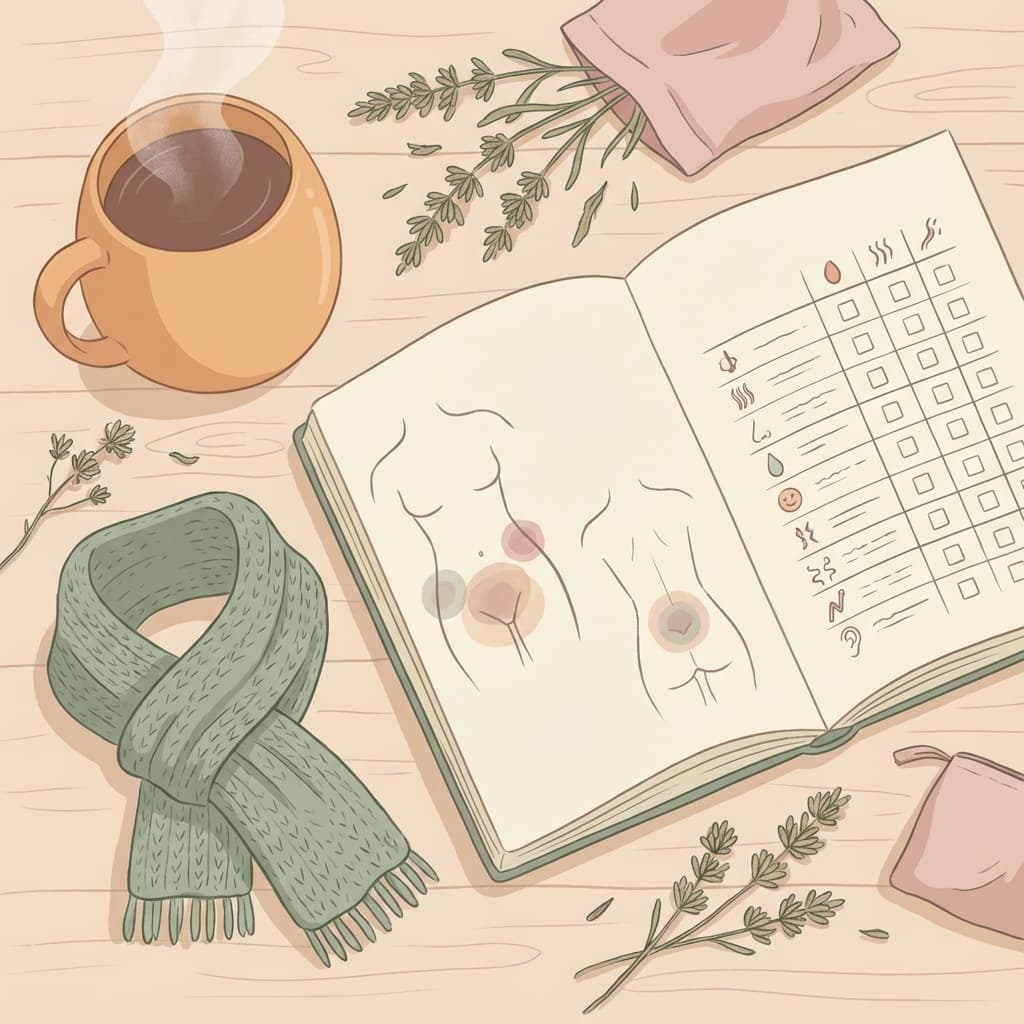

Understanding When Period Pain Becomes a Medical Concern
If your period pain is so severe that you cannot work, cannot get out of bed, vomit from the pain, or find no relief from medication, I want you to know something important: this level of pain is not normal, and it is not something you should have to endure month after month simply accepting it as part of menstruation.
Let me explain what I mean by this. Some cramping and discomfort during your period is common and expected for many people. This normal period pain typically responds to over-the-counter medications, does not prevent you from functioning, and follows a predictable pattern from month to month. But pain that disables you, does not respond to treatment, or is accompanied by other symptoms often indicates an underlying condition that requires medical attention.
Understanding the difference between "bad cramps" and "something is wrong" can help you get the diagnosis and treatment you deserve. In this guide, I will walk you through what separates normal period pain from concerning pain, the conditions that cause severe period pain, the warning signs your body sends, how to communicate effectively with healthcare providers, and what treatment options exist.
Recognizing When Period Pain Exceeds Normal Boundaries
Not all period pain is created equal, and learning to recognize when your pain exceeds normal boundaries helps you determine when to seek medical evaluation. Let me help you understand what normal period pain looks like and what patterns suggest something more serious.
Normal period pain typically involves cramping or aching sensations in your lower abdomen. This discomfort should be manageable with over-the-counter medications like ibuprofen or naproxen. You might prefer to take it easy during your heaviest flow days, but normal period pain should not prevent you from performing essential daily activities. The pain usually lasts between one and three days, corresponding to when prostaglandin levels are highest. You should notice improvement with heat, rest, or mild movement. And the pattern should remain relatively consistent from month to month, without progressive worsening.
Now let me describe pain that warrants medical evaluation. Pain so severe that it prevents work, school, or daily activities represents a significant problem. Pain that does not respond to maximum-dose over-the-counter or prescription medications requires investigation. Pain that lasts throughout your entire period, rather than improving after the first few days, suggests secondary dysmenorrhea. Pain beginning several days before bleeding starts, sometimes even a full week before, often indicates an underlying condition. Pain accompanied by heavy bleeding, fever, or vomiting suggests something more serious than normal cramping. Pain during ovulation in the middle of your cycle, pain during sexual intercourse, or progressive worsening of pain over months or years all warrant medical evaluation.
The Reality of Severe Period Pain
For some people, "painful periods" means missing work, being unable to care for children, lying in bed with heating pads for days, or visiting the emergency room for pain management. This level of pain is a medical issue, not a character test or something you should simply push through.
If you experience any of the following, your period pain is severe enough for medical evaluation. Missing work or school during your period on a regular basis indicates a problem. Needing to stay in bed for more than a day during your period affects your quality of life significantly. Vomiting or fainting from pain represents a severe response that requires investigation. Finding no relief from maximum-dose NSAIDs means your pain is not responding to standard treatment. Rating your pain seven out of ten or higher on a consistent basis indicates significant discomfort. Having to cancel social plans or commitments regularly disrupts your life. Being unable to care for children or other dependents because of period pain affects not just you but your whole family. Visiting urgent care or the emergency room for pain management means your current approach is not working.

Medical Conditions That Cause Extremely Painful Periods
Several medical conditions can cause severe period pain that does not respond to typical treatments. Understanding these conditions helps you recognize which one might be affecting you and guides appropriate evaluation and treatment.
Endometriosis: A Leading Cause of Severe Period Pain
Endometriosis is one of the most common causes of severe period pain, affecting approximately ten percent of people of reproductive age. This condition occurs when tissue similar to the uterine lining grows outside the uterus, commonly on the ovaries, fallopian tubes, pelvic lining, and sometimes even on organs far from the pelvis like the diaphragm or intestines.
To understand why endometriosis causes such severe pain, you need to understand what happens during each menstrual cycle in someone with this condition. Just like the lining inside your uterus, the endometrial implants outside the uterus respond to hormonal signals by thickening and then bleeding during menstruation. But unlike the blood from your uterus, which exits your body, this internal bleeding has nowhere to go. The trapped blood and tissue trigger inflammation as your immune system attempts to deal with this foreign material.
The inflammation creates pain through multiple pathways. Cyclical bleeding from endometrial implants causes internal bleeding and inflammation throughout your pelvis. The body's immune response to this misplaced tissue creates chronic inflammation that amplifies pain signals over time. Scar tissue and adhesions develop as a result of repeated inflammation, and these adhesions can fuse organs together, causing pain with movement or even at rest. When endometrial tissue affects pelvic nerves, it can cause radiating pain that extends beyond typical cramping patterns. Deeply infiltrating lesions, which grow into the tissues beneath the surface, can cause particularly severe pain.
If you have endometriosis, you might notice specific pain patterns that distinguish it from normal period pain. Pain typically begins two to five days before bleeding starts, rather than at the onset of menstruation. The pain often extends beyond the bleeding days, sometimes lasting throughout your entire period and even into the week after bleeding ends. Many people with endometriosis experience pain during ovulation in the middle of their cycle. Deep pain during or after sexual intercourse is very common. Pain with bowel movements or urination during your period, particularly if accompanied by diarrhea or constipation, suggests endometriosis involvement of the bowel or bladder. Lower back pain and leg pain may occur when endometrial tissue affects nerves in the pelvic region. And the pain tends to progressively worsen over years as the condition advances without treatment.
The statistics around endometriosis are sobering. The condition affects roughly one in ten people of reproductive age. The average diagnostic delay is seven to ten years, meaning most people with endometriosis suffer for a decade or more before receiving a diagnosis. Endometriosis is a leading cause of infertility in people with pelvic pain. And disease severity does not always correlate with pain severity—some people with mild endometriosis experience severe pain while others with extensive disease have less symptoms.
Adenomyosis: When Tissue Grows Into the Uterine Muscle
Adenomyosis occurs when endometrial tissue grows into the muscular wall of the uterus itself. This causes the uterus to enlarge and become severely inflamed during each menstrual cycle.
The mechanism of adenomyosis pain involves several interconnected factors. The embedded endometrial tissue bleeds into the muscle wall during each period, causing localized swelling and inflammation that the muscle cannot easily resolve. The uterine muscle responds with intense, abnormal contractions that are often more painful than normal cramping because the embedded tissue disrupts normal contraction patterns. Over time, the affected muscle thickens, a process called hypertrophy, as the tissue repeatedly bleeds and inflames. This makes the uterus enlarged and increasingly tender. Nerve compression from the enlarged uterus can cause radiating pain to your back and thighs.
If you have adenomyosis, you might notice increasingly heavy and painful periods over time, a progression that distinguishes this condition from primary dysmenorrhea which typically improves. You might feel a sense of bloating or fullness in your lower abdomen as the uterus enlarges. Pain may radiate to your back or thighs following the paths of pelvic nerves. Your abdomen might feel tender when pressed, and you might even be able to feel an enlarged uterus yourself. The condition most commonly develops in people in their thirties and forties and is often found in people who have had children, though younger people can be affected.
An important point about adenomyosis: it was once considered a condition only of people who had completed childbearing, but research shows it affects younger people too, including those who have never been pregnant. If you have progressively worsening heavy, painful periods, do not assume you are too young for adenomyosis.
Uterine Fibroids: When Growths Cause Cramping
Uterine fibroids are non-cancerous growths that develop in or on the uterus. While not all fibroids cause pain, certain types and locations can result in extremely painful periods.
Different types of fibroids cause pain through different mechanisms. Submucosal fibroids grow just beneath the uterine lining and often cause intense cramping because they interfere with normal uterine contraction patterns and increase the surface area of the bleeding lining. Large intramural fibroids within the muscle wall can cause significant cramping as the uterus tries to contract around them during menstruation. Degenerating fibroids occasionally outgrow their blood supply, causing sudden severe pain as the tissue begins to break down from lack of oxygen and nutrients. This typically requires medical attention for pain management. Pedunculated fibroids on stalks can twist, causing acute pain episodes that may require emergency care.
Fibroid pain patterns often include intense cramping with heavy bleeding, a sensation of pressure or fullness in the pelvis, lower back pain, frequent urination if fibroids press on the bladder, constipation if fibroids press on the bowel, and visible enlargement of the abdomen with large fibroids.

Pelvic Inflammatory Disease: When Infection Causes Pain
Pelvic inflammatory disease is an infection of the reproductive organs, usually caused by untreated sexually transmitted infections like chlamydia or gonorrhea. PID can cause severe pelvic pain that worsens during menstruation, along with other concerning symptoms.
If you have PID, you might experience severe lower abdominal pain, fever and chills, unusual vaginal discharge with an odor, pain during sex, painful urination, irregular bleeding, and nausea and vomiting. PID requires immediate medical treatment with antibiotics. If left untreated, it can cause permanent damage to the reproductive organs and infertility.
Other Causes of Severe Period Pain
Several other conditions can cause or contribute to severe period pain. Ovarian cysts can cause sudden, severe pain if they rupture or twist, a condition called ovarian torsion that requires emergency surgery. Pelvic congestion syndrome involves enlarged pelvic veins causing aching pain that may worsen during menstruation. Chronic pelvic pain syndrome refers to nerve-related pain conditions that can cause ongoing discomfort. IUD complications, especially in the first few months after placement, can cause heavier, more painful periods. Cervical stenosis involves a narrowed cervix that blocks menstrual flow, causing painful backup of blood and tissue.
The Warning Signs Your Body Is Sending
Your body communicates through pain, and learning to interpret these signals helps you seek appropriate care. Let me walk you through the warning signs that require different levels of response.
Red Flags Requiring Immediate Emergency Care
Some symptoms require immediate medical attention. Seek emergency care if you experience sudden, severe pelvic pain that comes on abruptly, particularly if it is different from your usual menstrual pain. Pain accompanied by fever over one hundred one degrees Fahrenheit suggests infection. Pain with heavy bleeding that soaks through a pad or tampon every hour for several hours requires immediate evaluation. Fainting or near-fainting from pain indicates significant blood loss or other serious issues. Severe vomiting that prevents you from keeping any food or liquid down needs medical attention. Any pelvic pain during pregnancy requires immediate evaluation as it could indicate ectopic pregnancy or miscarriage. Difficulty breathing combined with shoulder pain might indicate ectopic pregnancy or diaphragm irritation from internal bleeding.
Signs That Warrant Prompt Doctor Visit
Schedule an appointment within weeks, not months, if you have period pain that prevents daily activities on a regular basis, if your pain has not improved with treatments you have tried, if your pain is getting worse over time rather than stable or improving, if pain is accompanied by heavy bleeding or passage of large clots, if you experience pain during sexual intercourse, if you notice unexplained changes in your menstrual pattern, if you have been trying to conceive without success, or if you experience bowel or bladder symptoms that occur specifically during your period.
Symptoms That Specifically Suggest Endometriosis
Watch for this constellation of symptoms which, when they occur together, strongly suggest endometriosis. Pain beginning before your period starts, often several days early. Pain lasting beyond the bleeding days, sometimes throughout your entire cycle. Pain during ovulation in the middle of your cycle. Deep pain with penetration during sexual intercourse. Painful bowel movements during your period, particularly with diarrhea or constipation. Cyclical digestive symptoms including bloating, diarrhea, or constipation that consistently worsen during your period. Fatigue that is notably worse during menstruation. Pain that has progressively worsened over years rather than staying the same or improving.
Symptoms That Specifically Suggest Adenomyosis
Look for these patterns which suggest adenomyosis. Periods that have become increasingly heavy over time. A sensation of fullness or tenderness in your lower abdomen. Worsening pain as you age, particularly entering your thirties and forties. Pain that radiates to your back or thighs. Your healthcare provider noting an enlarged uterus during pelvic exam. Anemia or iron deficiency that develops from heavy bleeding.

Communicating Effectively with Healthcare Providers
How you describe your pain affects how seriously it is taken. Let me help you communicate effectively so you receive the care you deserve.
The PQRST Method for Describing Pain
Healthcare providers use various frameworks to understand pain, and the PQRST method provides a comprehensive structure for your description.
P stands for Provocation and Palliation, meaning what makes your pain better or worse. Does anything you do affect the pain? Does rest, heat, medication, movement, or position change it?
Q stands for Quality, meaning what does your pain feel like? Try to describe the sensation using words like stabbing, cramping, aching, throbbing, sharp, dull, burning, or squeezing.
R stands for Region and Radiation, meaning where is your pain located and does it spread anywhere? Does it stay in one spot or move to your back, thighs, or other areas?
S stands for Severity, meaning how bad is your pain on a scale of zero to ten, with zero being no pain and ten being the worst pain imaginable. Be honest about your rating even if it seems subjective.
T stands for Timing, meaning when does your pain start, how long does it last, and does it follow a pattern? Does it begin before your period, at the start of bleeding, or at some other time? Does it last hours or days? Is it constant or does it come and go?
Preparing for Your Appointment
Before your doctor visit, prepare by bringing several things. A symptom diary tracking at least two to three cycles with pain levels, timing, and associated symptoms provides concrete data. A medication list showing what you have tried and what worked or did not work helps your provider understand your treatment history. A description of how pain affects your work, relationships, and quality of life helps communicate the impact. A written list of questions you want to ask ensures you do not forget anything important. Any previous evaluation results or imaging reports provide context if you have had testing before.
Questions Your Doctor Should Ask
A thorough evaluation should include questions about when your pain started, how your pain has changed over time, where you feel pain and if it spreads, what makes pain better or worse, how pain affects your daily life, associated symptoms including bleeding, digestive issues, and fatigue, sexual history and any pain during sex, and family history of gynecological conditions.
If your doctor does not ask these questions or seems to be dismissing your symptoms without thorough investigation, consider whether you need a provider who takes a more comprehensive approach to your care.
The Diagnostic Process: What to Expect
Understanding the diagnostic process helps you advocate for appropriate care and know what to expect at each step.
Initial Evaluation
Your doctor may start with several basic components of evaluation. A detailed history involves discussion of your symptoms and patterns, including all the elements we discussed above. A physical exam including pelvic examination checks for abnormalities, tenderness, or visible signs of conditions like endometriosis or fibroids. Basic lab tests including blood work can rule out anemia from heavy bleeding or signs of infection.
Imaging Studies
If initial evaluation suggests a problem, your doctor may order imaging studies. Transvaginal ultrasound is the first-line imaging test to look for fibroids, cysts, or adenomyosis. This test uses sound waves to create images of your uterus and ovaries and can identify many structural abnormalities. Pelvic MRI provides more detailed imaging if ultrasound is inconclusive or to map endometriosis before surgery. MRI offers better soft tissue contrast and can identify smaller lesions and assess the extent of disease.
Definitive Diagnosis
Some conditions require more invasive testing for definitive diagnosis. Laparoscopy is the only way to definitively diagnose endometriosis. This minimally invasive surgical procedure allows direct visualization of your pelvic organs with the ability to biopsy lesions and confirm the diagnosis. If endometriosis is found during laparoscopy, surgical treatment can often be performed at the same time. Biopsy of tissue samples can confirm endometriosis or rule out other conditions. Hysteroscopy may be used to evaluate the uterine cavity for fibroids or adenomyosis, using a camera inserted through the cervix to directly visualize the inside of the uterus.
What If Your Doctor Says Everything Is Normal?
If you have been told your tests are normal but you still have severe pain, this does not mean nothing is wrong. Several possibilities might explain the discrepancy. Your provider might not have looked for the right conditions or might not have considered endometriosis specifically. Endometriosis cannot be seen on ultrasound or MRI in most cases—laparoscopy is required for diagnosis. Sometimes imaging limitations miss subtle findings. If your symptoms suggest endometriosis but imaging is normal, request referral to a specialist who has experience diagnosing and treating this condition.
Treatment Options for Extremely Painful Periods
Treatment depends on the underlying cause, your specific symptoms, and your reproductive goals. Let me walk you through the main options.
Medications
Nonsteroidal anti-inflammatory drugs represent first-line treatment for menstrual cramps and work by reducing prostaglandin production. Ibuprofen, naproxen, and mefenamic acid are common options. They are most effective when started before pain peaks, typically the day before your period begins or at the first sign of bleeding. Taking NSAIDs consistently rather than waiting for pain to return provides better control.
Hormonal therapies offer another treatment approach. Combined oral contraceptives containing both estrogen and progestin reduce menstrual flow and thin the uterine lining. Progestin-only medications including oral options and the hormonal IUD can suppress menstruation and reduce pain. Gonadotropin-releasing hormone agonists create a temporary low-estrogen state that dramatically reduces endometriosis pain, though they are typically reserved for severe cases due to side effects including bone density loss.
Other medications might be appropriate depending on your situation. Muscle relaxants can help with adenomyosis-related pain. Pain modulators like gabapentin or amitriptyline may help nerve-related pain. Tranexamic acid can reduce heavy bleeding.
Surgical Options
Surgery might be recommended depending on your diagnosis and symptoms. For endometriosis, laparoscopic excision of lesions is considered the gold standard treatment. This involves removing endometrial implants rather than just burning them off, which provides better long-term results. Excision means cutting out the lesions, while ablation means burning the surface. Excision typically provides longer-lasting pain relief. In severe cases, multidisciplinary surgery involving multiple specialists might be needed.
For adenomyosis, uterine-sparing options include uterine fibroid embolization and MRI-guided focused ultrasound, which shrink the affected tissue without removing the uterus. The definitive treatment is hysterectomy, removal of the uterus, which eliminates adenomyosis pain but also eliminates the ability to pregnancy. This is typically reserved for people who have completed childbearing and have not responded to other treatments.
For fibroids, myomectomy removes individual fibroids while preserving the uterus. Uterine fibroid embolization shrinks fibroids by cutting off their blood supply. MRI-guided focused ultrasound uses sound waves to destroy fibroid tissue. Hysterectomy might be recommended for severe cases or when fertility is not desired.
Lifestyle and Supportive Care
While not substitutes for medical treatment, these approaches can complement your treatment plan. Heat therapy provides drug-free pain relief. Regular exercise releases endorphins and may reduce cramp severity. Dietary modifications might help some people, though evidence varies. Stress management can affect pain perception. Acupuncture may help some individuals with pain control. Pelvic floor physical therapy addresses muscular components of pelvic pain. Support groups and mental health care help with the emotional impact of chronic pain. 
Living with Severe Period Pain: Practical Strategies
While seeking treatment, managing severe period pain requires strategies to maintain your quality of life.
During Pain Episodes
Use heat consistently rather than intermittently. Stay hydrated, as dehydration can worsen cramping. Rest without guilt—your pain is real and valid. Take medications proactively at the first sign of pain rather than waiting for it to become severe. Have easy meals prepared so you do not need to cook when you feel poorly. Communicate with work or school about accommodations you might need. Ask for help with responsibilities when you need it.
Long-Term Management
Track patterns to predict and prepare for pain days. Build relationships with understanding healthcare providers who take your pain seriously. Connect with support communities of people who understand what you are going through. Advocate for your needs in healthcare settings and elsewhere. Consider mental health support for the emotional impact of chronic pain. Plan around your cycle when possible, scheduling important activities for your likely good days.
Building Your Healthcare Team
Finding the right providers is crucial for managing severe period pain. A primary gynecologist provides routine care and initial evaluation. An endometriosis specialist provides expertise in suspected or confirmed endometriosis. A reproductive endocrinologist addresses fertility concerns. A pain specialist helps with chronic pain management when needed. A pelvic floor physical therapist addresses muscular components of pain. A mental health professional helps with the emotional impact of living with chronic pain.
Frequently Asked Questions
How do I know if my period pain is severe enough to see a doctor?
If period pain prevents you from performing normal activities, does not respond to medication, or is accompanied by other concerning symptoms, you should be evaluated. Pain severe enough to miss work, require bed rest, or cause vomiting is not normal and deserves medical attention.
Can extremely painful periods be a sign of cancer?
While pelvic pain can occur with gynecological cancers, extreme period pain is far more commonly caused by benign conditions like endometriosis, adenomyosis, or fibroids. However, any persistent or worsening pelvic pain deserves medical evaluation to rule out serious causes and identify treatable conditions.
Why do my periods hurt more now than they did when I was younger?
Increasingly painful periods over time often indicate a progressive condition like endometriosis or adenomyosis. These conditions typically worsen without treatment. If your periods have become significantly more painful, especially as you have gotten older, seek evaluation rather than assuming this is normal.
Will a hysterectomy cure my pain?
Hysterectomy can cure pain caused by adenomyosis and may help with pain from fibroids or some cases of endometriosis. However, endometriosis lesions can exist outside the uterus, so hysterectomy does not always eliminate all pain. Discuss your specific situation with your doctor to understand what hysterectomy might accomplish for you.
Can I still have endometriosis if my ultrasound was normal?
Yes. Ultrasound can miss endometriosis, especially superficial lesions and small endometriomas. Laparoscopy is the only definitive way to diagnose endometriosis. If your symptoms strongly suggest endometriosis but imaging is normal, request referral to a specialist who can evaluate you further.
What if my doctor does not take my pain seriously?
Find a new doctor. Providers who dismiss severe pain are not adequate for your care. Look for gynecologists who specialize in pelvic pain or endometriosis. Bring documented symptoms, be persistent, and remember that you deserve appropriate care. It is not acceptable to have your pain dismissed when it significantly impacts your life.
You Deserve Relief
Extremely painful periods are not something you should accept as normal or learn to live with through gritted teeth. The pain you experience is your body's way of signaling that something needs attention. Whether your pain is caused by endometriosis, adenomyosis, fibroids, or another condition, effective treatments exist. The first step is finding a healthcare provider who takes your pain seriously and works with you to find answers.
Do not let another month pass in unnecessary pain. Use a symptom tracker to document your patterns, prepare for your doctor visit, and advocate for the evaluation and treatment you deserve. Your pain is real, your symptoms matter, and relief is possible.
Start tracking your period pain today to understand your patterns and have the data you need for productive healthcare conversations.
Related Articles
Explore this topic
Related articles
December 27, 2025
Are Painful Periods Normal? Understanding When Period Pain Is and Isn't Typical
Are painful periods normal? Learn what's typical versus concerning, warning signs that require medical attention, and when to seek help for period pain.
December 24, 2025
Painful Menstrual Periods: A Complete Guide to Understanding, Managing, and Finding Relief
Painful menstrual periods affect millions of people. This comprehensive guide explores the causes of period pain, helps you distinguish between normal and concerning symptoms, and offers effective strategies for finding relief.
March 2, 2026
Painful Bowel Movements During Your Period: Causes and Relief
Struggling with painful bowel movements during your period? Learn how prostaglandins and endometriosis affect your digestion and how to find relief today.