Foods That Trigger Endo Flares (And What to Eat Instead)
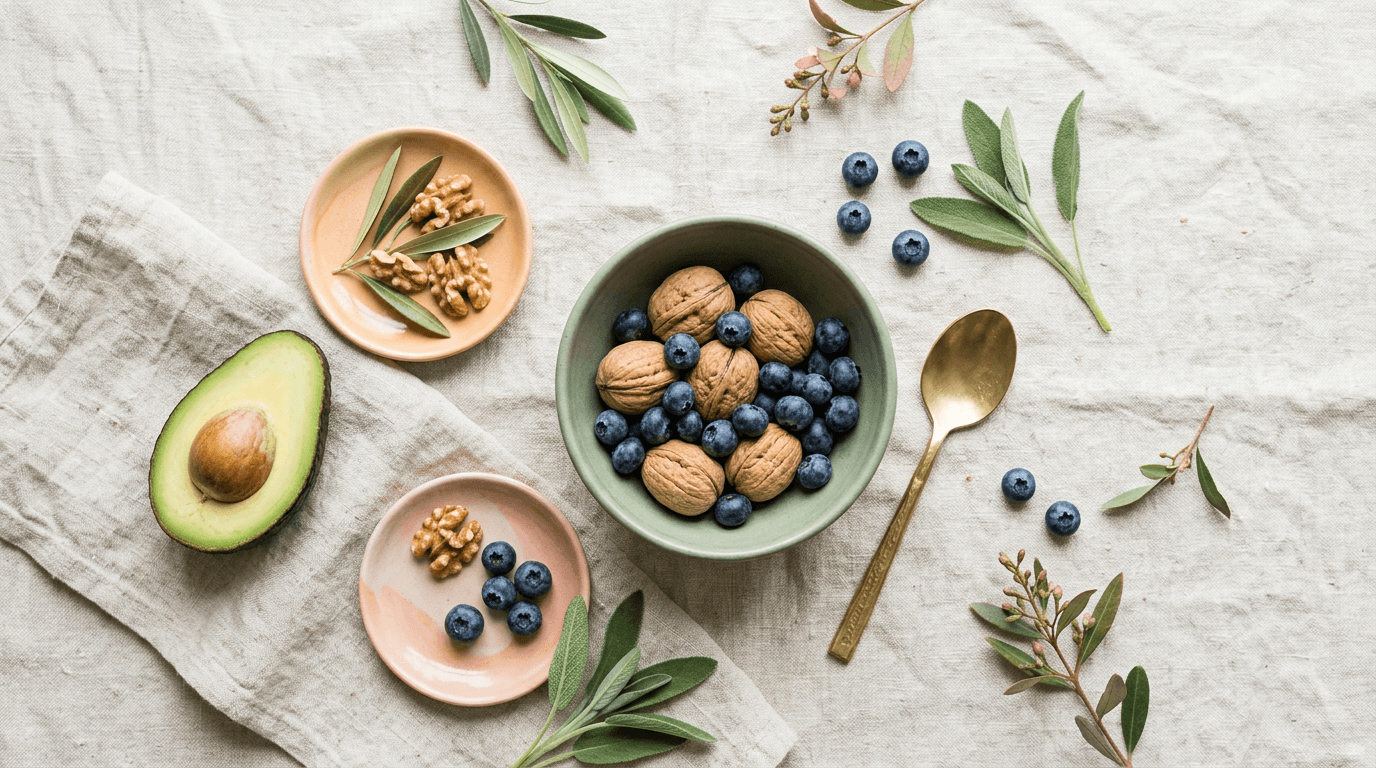

Managing endometriosis usually involves a mix of medical care, lifestyle changes, and learning to read your body’s signals. Diet isn't a cure for the condition, but many people find that what they eat affects how they feel. Learning how nutrition impacts inflammation is a practical way to manage your health daily.
An "endo flare" is a time when symptoms like pelvic pain, fatigue, and "endo belly" (bloat) get much worse. You can read more about what is an endo flare to help spot your own patterns. By finding your dietary triggers, you might be able to make these episodes less frequent or less painful.
The link between diet and inflammation
Endometriosis is an inflammatory disease. It happens when tissue similar to the uterine lining grows outside the uterus, causing pain and scar tissue. Since certain foods can increase inflammation, they can also make the pain from endo lesions feel worse.
Prostaglandins are hormone-like substances that make the uterine muscles contract. High levels of specific prostaglandins are linked to more intense pain. Some foods encourage the body to produce "bad" prostaglandins, while others help create "good" ones that can help calm the body down.
Common foods that may trigger Endo flares
Everyone responds differently to food. What causes a flare for one person might not bother someone else at all. That said, a few specific groups of food are common culprits for worsening symptoms.
Red meat and saturated fats
Some data suggests that eating a lot of red meat is linked to a higher risk of endometriosis and more severe pain. Processed meats like sausages or deli cuts are often high in saturated fats, which are known to promote inflammation.
Gluten and wheat
Gluten is the protein in wheat, barley, and rye. Even if you don't have celiac disease, you might find that cutting back on gluten helps with pelvic pain and bloating. Gluten can sometimes irritate the gut lining, which can make visceral pain feel more intense.
Dairy products
Dairy is a trigger for many people because of a protein called A1 casein, which can be inflammatory. Depending on how it is produced, dairy may also contain trace hormones. For many, milk and cheese contribute to "endo belly" or digestive issues that feel a lot like pelvic cramps.
Refined sugars and artificial sweeteners
Sugar is a well-documented inflammatory trigger. Eating too much sugar causes insulin spikes, which signals the body to increase inflammation. This includes soda, sweets, and the hidden sugars in many packaged sauces. Artificial sweeteners can also be tough on the gut, causing gas and bloating that puts pressure on sensitive pelvic areas.
Alcohol and caffeine
Alcohol can raise estrogen levels and put extra work on the liver, which is the organ responsible for clearing excess estrogen from your system. Too much caffeine can also raise cortisol (the stress hormone), which can make you more sensitive to pain during a flare.
Anti-inflammatory swaps that don't feel like deprivation
Changing your diet doesn't have to be about restriction. It is often more effective to focus on adding foods that make you feel good.
Focus on omega-3 fatty acids
Instead of red meat, try fish like salmon, sardines, or mackerel. For plant-based options, walnuts, chia seeds, and flaxseeds are great sources of Omega-3s. These fats help balance prostaglandin production and are known to fight inflammation.
Choose whole grains and fiber
Fiber helps the body get rid of excess estrogen. Instead of white bread or pasta, try quinoa, brown rice, or gluten-free oats. These options provide steady energy without the blood sugar spikes that come with refined carbs.
Explore plant-based dairy alternatives
If milk or cheese causes a flare, you can still enjoy creamy foods. Unsweetened almond milk, cashew cream, and coconut yogurt are easy substitutes. Many people in the endo community use nutritional yeast for a cheesy flavor; it is also high in B vitamins.
Load up on colorful vegetables
Vegetables like broccoli, cauliflower, and kale contain a compound called DIM, which helps the body process estrogen. Try to put a variety of colors on your plate to get a range of antioxidants.
How to identify your personal triggers
Since endometriosis affects everyone differently, there isn't one universal diet that works for every patient. The best way to find what works for you is to keep track of what you eat and how you feel afterward.
If you notice a spike in pain or bloating a few hours after a specific meal, a pattern might be forming. This information is very helpful when talking to a doctor or nutritionist. A endometriosis tracker app can help you see these links clearly over several months.
The importance of a gradual approach
Big dietary changes are hard to stick to and can be stressful. Instead of cutting everything out at once, try removing one potential trigger for two or three weeks. This helps you figure out if that specific food is actually a problem for you.
Managing a flare when nutrition isn't enough
Flares can still happen even if your diet is perfect. Stress, hormones, and physical activity all play a part. In those moments, it helps to have a soft flare survival kit ready with heating pads, comfortable clothes, and gentle distractions.
Food is just one tool in your kit. Be kind to yourself. If you eat something that happens to be a trigger, don't feel guilty. Stress also causes inflammation, so having a relaxed relationship with food is just as important as the nutrients you eat.
Related guides for managing symptoms
If you want more tips on managing your symptoms, these resources can help:
- What to pack in your endo flare survival kit
- Understanding the symptoms and stages of an endo flare
- How tracking can improve your doctor visits
Track your journey with endolog
Finding your triggers can feel overwhelming. Endolog simplifies the process by letting you log your meals, pain levels, and digestion in one place. By seeing the connection between your diet and your symptoms, you can take more control over your health. Download Endolog today to start building a roadmap that works for your body.
Explore this topic
Related articles
February 22, 2026
The Anti-Inflammatory Diet for Endometriosis: An Evidence-Based Guide
Discover how an anti-inflammatory diet can help manage endometriosis symptoms. Learn which foods to eat and avoid to support your pelvic health today.
March 28, 2026
Endometrosis Insomnia: Breaking the Chronic Pain-Sleep Cycle
Struggling with endometriosis insomnia? Discover why pelvic pain disrupts sleep and learn practical strategies to improve rest and manage your symptoms better.
February 28, 2026
Endometriosis and Painful Sex: Causes and Coping Strategies
Understand why endometriosis causes painful sex and discover practical strategies, positions, and communication tips to manage dyspareunia and reclaim intimacy.
February 20, 2026
Endo Flares at Night: Why Pain Worsens and How to Cope
Discover why endometriosis pain often peaks at night and learn effective strategies for relief, from hormone shifts to better sleep positioning for endo flares.
February 19, 2026
PCOS Flare-Ups Are Real: Managing Your Symptom Spikes
Understand common PCOS flare up triggers, from insulin spikes to stress, and learn how to manage sudden symptom shifts with our comprehensive guide.
March 28, 2026
Why Does My Hip Hurt During Ovulation? Causes and Relief
Discover why you experience hip pain during ovulation. Learn about mittelschmerz, endometriosis, and how tracking your symptoms can help you find relief.