Can PCOS Cause Severe Period Pain? What You Need to Know


Understanding whether PCOS can cause severe period pain
If you have polycystic ovary syndrome and experience intense menstrual cramping, you might find yourself asking a question that many healthcare providers struggle to answer clearly: can PCOS actually cause severe period pain? This question matters because severe menstrual pain can significantly impact your quality of life, yet the relationship between PCOS and severe cramping remains poorly understood by many people, including some medical professionals.
The honest answer is nuanced. PCOS itself doesn't typically cause the severe, disabling pain that characterizes conditions like endometriosis. However, PCOS can contribute to significant menstrual discomfort, and many people with PCOS also have co-existing conditions that do cause severe pain. Understanding these distinctions helps you advocate effectively for your care and find appropriate treatment strategies.
The confusion often arises because PCOS and severe period pain frequently occur together, even when one doesn't directly cause the other. This overlap means that many individuals with PCOS experience intense cramping while simultaneously having another condition responsible for their most severe symptoms. Recognizing when your pain exceeds what PCOS typically causes becomes essential for receiving comprehensive care.
The truth about PCOS and menstrual pain intensity
Polycystic ovary syndrome affects your periods primarily through anovulation, which means your ovaries don't release eggs regularly or at all. Without ovulation, progesterone levels remain low while estrogen circulates without its usual counterbalancing partner. This hormonal imbalance creates several period-related changes, but the pain patterns differ meaningfully from other gynecological conditions.
People with PCOS commonly experience irregular periods, and these unpredictable bleeding episodes often come with cramping. When breakthrough bleeding occurs after a long gap without menstruation, the uterine lining has typically built up extensively. This thickened lining sheds more heavily and with more intense uterine contractions than typical periods produce. The prostaglandin release accompanying this unusual shedding pattern can amplify discomfort significantly, creating cramps that feel more severe than what others might experience during regular menstruation.
However, it's important to understand that PCOS-related cramping typically manifests as dull, aching pressure rather than the sharp, cramping pain that characterizes normal prostaglandin-driven periods. This pressure sensation often accompanies a heavy, distended feeling in the lower abdomen and may extend to the lower back. While uncomfortable, this pain pattern usually differs qualitatively from the severe, disabling cramps that send many people to emergency departments or disrupt daily activities entirely.
The variability of PCOS symptoms means that some individuals experience minimal cramping while others report significant discomfort. Several factors influence this variation, including how thick the endometrial lining becomes before bleeding, whether ovulation occurred recently, hormone levels during any given cycle, and the presence of associated inflammatory conditions. Understanding your personal pattern helps distinguish typical PCOS-related discomfort from pain that warrants additional evaluation.
When severe pain signals something more
Certain pain characteristics suggest that something beyond PCOS may be causing your symptoms. Recognizing these patterns enables you to seek appropriate evaluation and treatment rather than accepting severe pain as simply part of having polycystic ovary syndrome.
Endometriosis represents the most common condition that overlaps with PCOS and causes severe period pain. Research consistently shows significant comorbidity between these conditions, meaning many individuals have both simultaneously. Unlike PCOS pain, endometriosis typically causes pain that begins before bleeding starts, worsens progressively over time, and may occur at multiple phases of the cycle including during ovulation, with sexual intercourse, and during bowel movements. The pain often feels sharp and crampy rather than the dull pressure associated with PCOS breakthrough bleeding. If your cramping begins days before your period, intensifies over time, or occurs during activities like sex or bowel movements, endometriosis evaluation becomes appropriate regardless of your PCOS diagnosis.
Adenomyosis frequently causes severe, progressively worsening period pain alongside increasingly heavy bleeding. This condition occurs when endometrial tissue grows into the muscular wall of the uterus, creating an enlarged, tender uterus and intense cramping during periods. People with both PCOS and adenomyosis often describe their pain as significantly more severe than what they experienced before developing adenomyosis symptoms. If your periods have become heavier and more painful over time, particularly if your healthcare provider notes uterine tenderness during examination, adenomyosis deserves consideration.
Fibroids, or uterine leiomyomas, can develop alongside PCOS and cause severe cramping depending on their size and location. Submucosal fibroids, which grow just beneath the uterine lining, often create intense cramping and heavy bleeding during periods. The pain pattern typically involves sharp, cramping sensations that may radiate to the back or thighs. If your pain seems to correlate with a palpable uterine abnormality or if imaging has previously identified fibroids, these growths may contribute significantly to your symptoms.
Pelvic inflammatory disease, while less commonly discussed in PCOS contexts, can cause severe pelvic pain that mimics or exacerbates menstrual cramping. This infection of the reproductive organs often produces pain that persists beyond your period, may accompany unusual vaginal discharge, and can develop after certain medical procedures or sexually transmitted infections. Because PID requires prompt antibiotic treatment to prevent serious complications, pain with fever, unusual discharge, or pain that doesn't follow your menstrual pattern warrants immediate medical evaluation.
Why PCOS pain sometimes feels severe
Even accepting that PCOS doesn't typically cause severe pain, many people with this condition genuinely experience significant cramping that disrupts their lives. Understanding why helps validate your experience while guiding appropriate management strategies.
The irregular nature of PCOS periods creates unpredictability that can amplify perceived pain intensity. When you don't know when bleeding might occur or how heavy it will be, anxiety and anticipation can lower your pain threshold and make any discomfort feel more overwhelming. This psychological component doesn't mean your pain isn't real, but it does suggest that cycle regularity interventions might help by reducing anticipatory anxiety alongside actual cramping.
Prostaglandin levels during PCOS breakthrough bleeding may differ from typical menstruation, potentially creating more intense uterine contractions. The prostaglandin surge accompanying irregular bleeding episodes can trigger stronger cramping than regular periods produce. Because the timing of breakthrough bleeding doesn't follow predictable patterns, you might experience these intense cramps without the physical and psychological preparation that comes with anticipating a regular period.
Insulin resistance, affecting sixty to eighty percent of individuals with PCOS, creates systemic inflammation that may heighten pain perception overall. Chronic low-grade inflammation can lower your threshold for experiencing pain and amplify discomfort from any source. This means that even typical PCOS cramping might feel more severe if your body is already in an inflammatory state. Addressing insulin resistance through lifestyle modifications and medication when appropriate might help reduce this amplified pain response.
The heavy bleeding that often accompanies PCOS periods can create additional discomfort beyond cramping. Passing large clots, dealing with frequent pad or tampon changes, and managing the logistics of heavy flow can create physical and emotional exhaustion that compounds period discomfort. This layered experience of heavy bleeding plus cramping plus fatigue might contribute to your overall sense that your periods are severely painful.
Strategies for managing severe PCOS-related pain
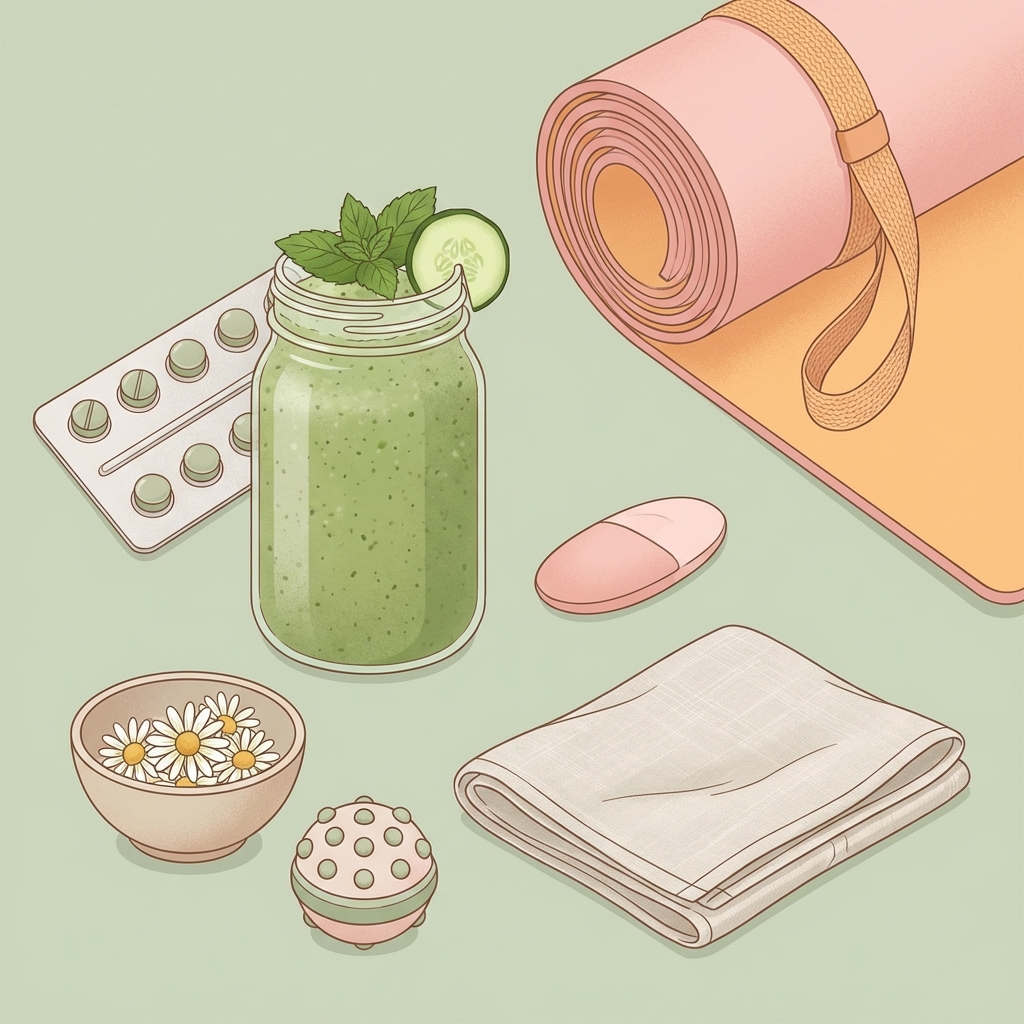
Finding effective pain management requires understanding which factors contribute to your specific symptoms and developing a multi-faceted approach that addresses each one.
Hormonal birth control often serves as first-line treatment for PCOS-related menstrual issues because it addresses several mechanisms simultaneously. Combined oral contraceptives, the birth control patch, the vaginal ring, and the hormonal IUD all provide hormonal regulation that can regulate cycles, reduce androgen symptoms, protect the endometrial lining, and often decrease cramping intensity. The hormonal IUD proves particularly valuable for PCOS because it thins the endometrial lining over time, leading to progressively lighter periods that typically cause less cramping. Many individuals find their pain improves significantly with appropriate hormonal contraception, though responses vary and finding the right method may require some experimentation.
Lifestyle modifications form the foundation of PCOS management and can meaningfully impact pain levels for many individuals. Even modest weight loss of five to ten percent, when applicable, can improve cycle regularity and reduce the heavy, unpredictable bleeding that creates painful breakthrough periods. Regular exercise improves insulin sensitivity, reduces inflammation throughout the body, and releases natural pain-relieving endorphins. An anti-inflammatory eating pattern emphasizing whole foods, omega-3 fatty acids, and reduced processed foods and added sugars may decrease inflammatory triggers that amplify pain perception. These modifications work with your body's systems rather than against them, creating sustainable improvements over time.
Nonsteroidal anti-inflammatory drugs address period pain directly by inhibiting prostaglandin production. Taking ibuprofen or naproxen at the first sign of cramping, rather than waiting until pain peaks, provides better relief for most people. The dosing schedule matters significantly for effectiveness, so following package directions carefully and starting medications before pain becomes severe optimizes results. For breakthrough bleeding episodes with their associated cramping, proactive NSAID use can prevent pain from becoming intense enough to disrupt your day.
Metformin, while primarily prescribed for insulin resistance, may improve PCOS period patterns indirectly through hormonal normalization. By improving insulin sensitivity, metformin can help restore more regular ovulation patterns, which in turn creates more predictable periods with less dramatic lining buildup. The resulting breakthrough bleeds tend to be lighter and less crampy than those occurring after prolonged anovulation. Discussing metformin with your healthcare provider makes sense if you have significant insulin resistance alongside painful, irregular periods.
When to seek additional medical evaluation
Understanding when severe pain warrants further investigation helps you receive appropriate care without over-medicalizing normal PCOS symptoms.
Request endometriosis evaluation if your pain progressively worsens over months or years, begins before bleeding starts, occurs during or after sexual intercourse, accompanies painful bowel movements during your period, or is severe enough to prevent daily activities. Laparoscopy remains the only definitive way to diagnose endometriosis, and many individuals with PCOS also have endometriosis requiring separate treatment. Don't accept dismissive responses when describing severe pain; persistent, progressive symptoms deserve thorough evaluation regardless of your PCOS diagnosis.
Consider adenomyosis evaluation if your periods have become increasingly heavy and painful over time, particularly if you've noticed your uterus feels tender or appears enlarged. Ultrasound or MRI can suggest adenomyosis, though definitive diagnosis traditionally requires hysterectomy. Treatment options exist short of hysterectomy, including hormonal therapies and procedures that target the affected tissue, but recognizing adenomyosis as a potential contributor to your pain enables appropriate management.
Seek immediate care for severe sudden-onset pelvic pain, pain accompanied by fever or vomiting, pain that doesn't follow any menstrual pattern, or any concern that an ovarian cyst may have ruptured or twisted. While PCOS increases cyst development, certain cyst complications require emergency intervention. Being attuned to pain that differs significantly from your usual pattern helps you recognize when prompt medical attention becomes necessary.
Tracking your pain patterns effectively
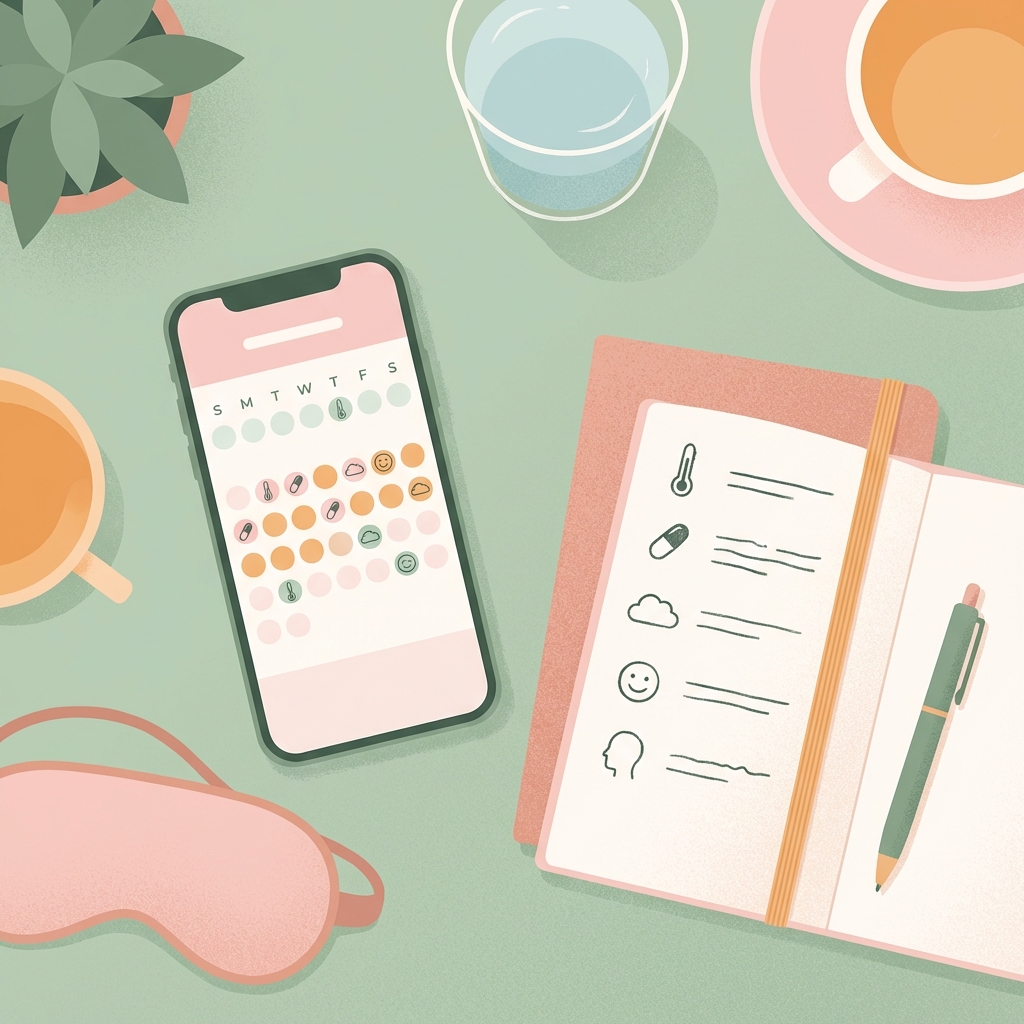
Detailed symptom tracking provides invaluable information for distinguishing PCOS-related cramping from pain caused by other conditions and evaluating treatment effectiveness.
Record the timing of pain relative to your menstrual cycle, noting whether cramping begins before bleeding, during bleeding, or at unexpected times. Document the character of pain using descriptive terms like sharp, dull, cramping, pressure, or stabbing. Track pain intensity using a consistent scale to identify trends over time. Note any associated symptoms including heavy bleeding, pain with intercourse, painful bowel movements, or gastrointestinal changes during your period. Recording treatments tried and their effectiveness helps refine your management approach and provides objective data for healthcare conversations.
Consistent tracking across multiple cycles reveals patterns that single-month observations miss. You might discover that your most severe pain occurs after particularly long gaps between periods, after periods of high stress, or in specific life circumstances. This information helps you anticipate challenging periods and take preventive measures while also providing evidence for healthcare providers evaluating whether additional conditions might contribute to your symptoms.
Using an app designed for menstrual health tracking, like Endolog, makes capturing this information consistently easier than paper methods. The ability to review historical data, identify trends, and generate reports for healthcare appointments transforms subjective experiences into objective documentation that supports effective medical care. For PCOS specifically, tracking androgen-related symptoms alongside menstrual data creates a complete picture of how the condition affects you.
Living well despite severe period pain
Severe period pain with PCOS is challenging, but understanding your body and advocating for appropriate care helps you find strategies that work for your life.
Remember that your pain is real even when tests don't identify a specific cause. Medical gaslighting around menstrual pain remains tragically common, and many individuals with PCOS have had their severe cramping dismissed as simply part of having the condition. Trust your experience, seek providers who take your symptoms seriously, and continue advocating for comprehensive care until you receive appropriate evaluation and treatment.
Explore multiple treatment approaches before accepting that nothing helps. What works for one person may not work for another, and finding effective effective strategies often requires patience and persistence. Combining lifestyle modifications, appropriate hormonal treatment, targeted pain management, and addressing any co-existing conditions creates the best chance for meaningful improvement. Don't give up if your first treatment attempts don't resolve your symptoms completely.
Connect with others who understand your experience through support groups and online communities. Living with PCOS and severe period pain can feel isolating, but knowing others face similar challenges provides emotional support and practical tips from people who truly understand. Sharing your experiences and learning from others navigating similar situations helps you feel less alone while potentially discovering management strategies you hadn't considered.
Track your PCOS and period symptoms systematically to understand your patterns and have detailed information for productive conversations with your healthcare providers about your complete picture.
Related articles
Explore this topic
Related articles
January 4, 2026
Does PCOS Cause Painful Periods? Understanding the Connection
Does PCOS cause painful periods? Learn about the relationship between PCOS and menstrual pain, including why some people with PCOS experience cramping while others don't.
January 29, 2026
Does Irregular Menstruation with PCOS Make Period Pain Worse?
Irregular periods are a hallmark of PCOS, but do they make your cramps more intense? We explore the science behind how unpredictable cycles affect period pain severity.
December 28, 2025
Painful Periods During Perimenopause: Understanding Menstrual Changes in Your 40s and 50s
Perimenopause brings hormonal shifts that can cause increasingly painful periods. Learn why your periods change in your 40s and 50s, and when pain warrants medical attention.
December 18, 2025
Are Painful Periods a Sign of Good Fertility? Understanding the Truth Behind This Common Myth
The idea that painful periods mean good fertility is a persistent myth with no scientific basis. Learn what research actually says about period pain and fertility, and when pain might indicate a condition affecting your ability to conceive.
March 22, 2026
Left Side Pelvic Pain: Common Causes and What It Means
Discover potential causes for left side pelvic pain, from endometriosis to PCOS. Learn how to track your symptoms effectively for better doctor consultations.
March 19, 2026
PCOS Irregular Period Tracking: When Standard Apps Fail
Master PCOS irregular period tracking with Endolog. Learn to identify cycles by tracking symptoms instead of dates to improve your clinical appointments today.