Does Irregular Menstruation with PCOS Make Period Pain Worse?

How irregular menstruation affects period pain
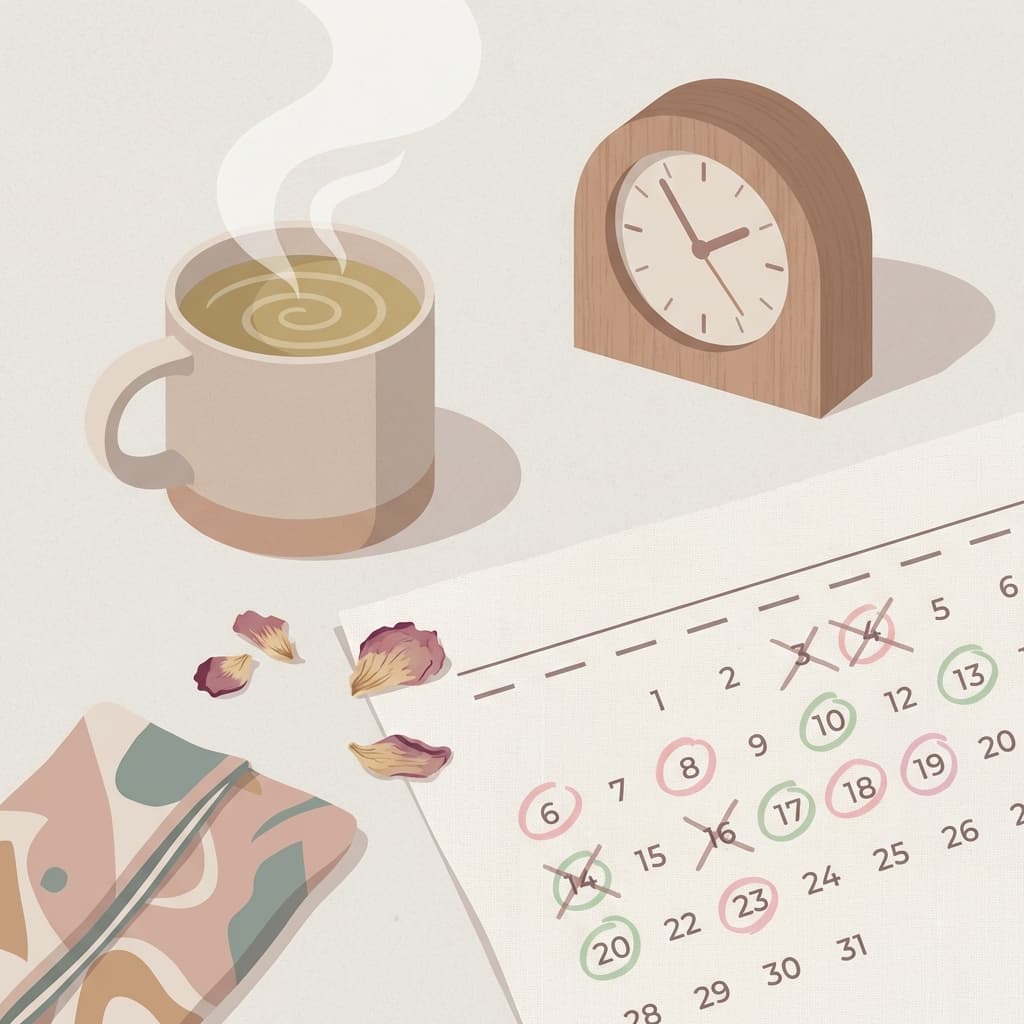
If you have polycystic ovary syndrome, you're likely familiar with the frustration of unpredictable periods. Your cycles might span thirty-five days one month, sixty days the next, and leave you wondering whether your period will arrive at all. Alongside this uncertainty, you might notice that when bleeding finally occurs, the cramping feels more intense than what your friends with regular cycles describe. This observation raises an important question: does the irregularity itself make your period pain worse?
The answer, supported by research and clinical evidence, is largely yes. The irregular menstruation characteristic of PCOS doesn't merely make your periods unpredictable—it fundamentally changes the nature of how your body bleeds and cramps when menstruation eventually occurs. Understanding this connection helps you make sense of your symptoms and work more effectively with healthcare providers to find appropriate management strategies.
The relationship between irregular cycles and worse period pain operates through several interconnected biological mechanisms. These mechanisms involve hormonal imbalances, endometrial changes, prostaglandin release, and the psychological burden of unpredictability itself. By understanding how each factor contributes, you gain insight into why your PCOS periods might feel more intense than typical menstruation and what you can do about it.
The hormonal foundation of PCOS periods
What causes irregularity in PCOS
Irregular menstruation in PCOS stems primarily from anovulation, which means your ovaries fail to release eggs on a regular basis. This anovulation results from complex hormonal dysregulation involving multiple systems throughout your body. Elevated luteinizing hormone levels, often significantly higher than follicle-stimulating hormone in PCOS, disrupt the normal follicle development process that leads to ovulation. Simultaneously, insulin resistance, present in sixty to eighty percent of individuals with PCOS, further interferes with ovulation by increasing androgen production and disrupting the delicate hormonal signals that trigger egg release.
Without ovulation, the menstrual cycle never completes its typical pattern. In a regular cycle, ovulation triggers the formation of the corpus luteum, which produces progesterone during the cycle's second half. This progesterone serves a crucial function: it stabilizes the endometrial lining and prepares the uterus for potential pregnancy. When ovulation doesn't occur, progesterone levels remain low throughout the cycle while estrogen continues circulating and stimulating the uterine lining to grow and thicken.
The resulting hormonal environment differs dramatically from a typical menstrual cycle. Estrogen circulates without its counterbalancing partner progesterone, creating what researchers call unopposed estrogen exposure. This unopposed estrogen causes the endometrial lining to build up beyond normal thickness over extended periods. The longer you go without ovulating, the thicker this lining becomes, and the more unstable it eventually becomes when breakthrough bleeding occurs.
The consequences of endometrial buildup
When bleeding finally occurs after an extended anovulatory phase, the endometrium doesn't shed in the organized, controlled manner that characterizes regular menstruation. Instead, the excessively thickened, unstable lining breaks down irregularly, causing breakthrough bleeding that differs fundamentally from a true menstrual period. This irregular shedding creates several problems that translate to more intense cramping.
The thickened endometrium contains more tissue that must be expelled during bleeding. More tissue means more uterine contractions are needed to shed it all, and those contractions are driven by prostaglandins—hormone-like compounds that cause uterine muscle contractions and sensitize nerve endings to pain. When the endometrium has built up over sixty, ninety, or even more days without ovulation, the resulting prostaglandin surge during breakthrough bleeding can be substantially more intense than what occurs during a typical five-day period following regular ovulation.
Additionally, the irregular nature of breakthrough bleeding means that the shedding process itself is less predictable and often more prolonged. Rather than a clean, complete shed over several days, you might experience extended episodes of spotting, irregular flow, and incomplete emptying. This prolonged process extends the duration of cramping and may create more overall discomfort than a regular period would cause.
The prostaglandin connection
Why prostaglandins matter for period pain
Prostaglandins are fatty acid compounds that act like local hormones throughout your body. In the uterus, specific prostaglandins called prostaglandin F2-alpha and prostaglandin E2 play central roles in menstruation. These compounds trigger powerful uterine muscle contractions that help expel the endometrial lining during your period. The contractions themselves can cause pain—these are the cramps you feel—and prostaglandins also directly sensitize pain receptors in the uterine area, making you more aware of discomfort.
The relationship between prostaglandin levels and pain intensity is dose-dependent. Higher prostaglandin concentrations correlate with more intense uterine contractions and greater pain sensitivity. This explains why some people experience mild cramping while others experience severe, debilitating pain—the difference often lies in how many prostaglandins their bodies produce during menstruation.
How PCOS alters prostaglandin production
Research suggests that the anovulatory cycles characteristic of PCOS may alter prostaglandin production in ways that increase pain. When ovulation occurs normally, the progesterone surge following ovulation influences the endometrium to produce a more balanced mix of prostaglandins during the subsequent period. Without that progesterone influence, the endometrial tissue may produce prostaglandins in different proportions or quantities than it would in a regular cycle.
Furthermore, the inflammation associated with insulin resistance and obesity—which commonly accompany PCOS—may elevate systemic prostaglandin levels throughout the body. Chronic low-grade inflammation creates a state where inflammatory mediators, including prostaglandins, are more readily produced in response to various stimuli. This means that when breakthrough bleeding occurs, the inflammatory response may be amplified compared to someone without these underlying inflammatory conditions.
The unpredictable timing of PCOS bleeding episodes compounds this issue. With regular cycles, you can anticipate your period and potentially prepare with over-the-counter pain medications taken proactively. When bleeding could arrive at any moment after an unpredictable gap, you cannot prepare in the same way. The first sign of bleeding might already accompany intense cramping because prostaglandin release has already begun, and you're starting pain management late in the process rather than preventing the cascade.
The psychological dimension
How unpredictability amplifies suffering
The mental and emotional burden of irregular periods deserves recognition as a real contributor to your pain experience. Chronic unpredictability creates a state of heightened vigilance and anxiety that physically alters your pain perception. When you never know when bleeding might start, your nervous system remains in a near-constant state of watchfulness, scanning for signals that your period might be arriving. This sustained stress response affects your pain threshold and can make any discomfort feel more overwhelming than it might under less anxious circumstances.
Research on pain psychology consistently demonstrates that anxiety and stress amplify pain perception. The stress response triggers release of cortisol and other compounds that influence pain sensitivity. When you live with chronic uncertainty about when your next period will arrive, this stress response may become dysregulated, creating a baseline elevation in pain sensitivity that makes every cramp feel more intense than it might otherwise.
The fear of not knowing
Many individuals with PCOS describe a persistent underlying anxiety about their periods that affects their daily lives. Planning trips, social events, exercise, and intimate relationships becomes complicated when you don't know whether you'll be bleeding or cramming supplies into your bag. This constant low-level stress consumes mental energy and may contribute to fatigue, sleep disruption, and other factors that further lower your pain threshold.
The fear of sudden bleeding can lead to behaviors that increase discomfort. Some people restrict their activities, avoid exercise, or decline social invitations to prevent embarrassing breakthrough bleeding episodes. These restrictions can lead to deconditioning, weight gain, and loss of the pain-management benefits that regular physical activity provides. Additionally, the emotional distress of feeling controlled by unpredictable cycles can manifest as physical tension in the pelvic floor muscles, potentially intensifying cramping sensations.
How PCOS pain differs from other conditions
Recognizing your pattern
Understanding how PCOS-related pain typically presents helps you distinguish it from pain caused by other conditions that may require different treatment approaches. This distinction matters because many individuals with PCOS also have endometriosis, adenomyosis, or other conditions that cause severe pain requiring specialized treatment.
PCOS-related cramping typically occurs during or immediately before breakthrough bleeding episodes rather than following a predictable pre-period pattern. The pain is often described as a deep, dull pressure or aching sensation rather than the sharp, intermittent cramping of primary dysmenorrhea. You might notice your lower abdomen feels heavy or distended, as though something is pressing downward. This pressure sensation may correlate with the heavy, distended uterus that develops when the endometrial lining builds up extensively.
The timing of PCOS pain tends to vary significantly from cycle to cycle based on how long it's been since your last bleeding episode. After particularly long intervals without periods, you might expect more intense cramping when bleeding finally occurs. This variability can help you and your healthcare providers distinguish PCOS-related pain from other conditions that cause more consistent pain patterns regardless of cycle length.
When pain suggests something else
Despite the real connection between irregular menstruation and worse period pain in PCOS, certain pain characteristics should prompt evaluation for additional conditions. Pain that begins before bleeding starts, progressively worsens over months or years, occurs during sexual intercourse, or accompanies painful bowel movements during your period may indicate endometriosis rather than or in addition to PCOS. Similarly, periods that have become increasingly heavy and painful over time, particularly if your healthcare provider notes uterine tenderness, might suggest adenomyosis.
If your pain is severe enough to prevent daily activities, requires prescription medication for relief, or is accompanied by symptoms like fevers, unusual vaginal discharge, or pain that persists between periods, these red flags warrant prompt medical evaluation. Many people with PCOS also have endometriosis, and treating PCOS alone won't resolve endometriosis-related pain. Understanding the distinction helps you advocate for appropriate evaluation rather than accepting severe pain as simply part of having PCOS.
Strategies for managing irregular period pain
Hormonal approaches
Hormonal treatment often forms the cornerstone of managing irregular PCOS periods and their associated pain. Combined hormonal contraceptives, including birth control pills, the patch, and vaginal ring, provide regular withdrawal bleeds that mimic natural periods without the unpredictable breakthrough bleeding of unmedicated PCOS. These regular bleeds shed a thinner, more stable endometrium, typically producing lighter flow and less intense cramping than occurs with irregular cycles.
The hormonal IUD deserves special mention for PCOS management because it thins the endometrial lining over time rather than causing regular withdrawal bleeds. Many individuals with PCOS find that their periods become very light or stop entirely with the hormonal IUD, eliminating both the unpredictability and the heavy bleeding that often accompanies PCOS menstruation. This can significantly reduce cramping by removing the prostaglandin-rich tissue that would otherwise shed during breakthrough bleeding.
Progestin-only treatments, including cyclic progesterone therapy, can also help manage PCOS periods by creating regular withdrawal bleeds that protect the endometrium from unopposed estrogen while providing some cycle regularity. However, these approaches don't suppress ovulation as effectively as combined hormonal methods and may not improve all PCOS symptoms to the same extent.
Lifestyle modifications
Lifestyle changes address the underlying insulin resistance and inflammation that drive PCOS-related menstrual irregularities. Even modest weight loss of five to ten percent, when applicable, can improve ovulation frequency and cycle regularity. More regular ovulation means more regular progesterone exposure, which in turn creates more predictable periods with lighter bleeding and less cramping. The improvement in cycle regularity often happens gradually over months of consistent lifestyle change rather than immediately, so patience is important.
Regular exercise improves insulin sensitivity, reduces inflammation throughout the body, and releases endorphins—your body's natural pain relievers. Physical activity may also help regulate the hypothalamic-pituitary-ovarian axis that controls menstrual cycling. Aim for at least thirty minutes of moderate activity most days, though any movement is better than none. Activities you enjoy and can maintain consistently work better than intensive programs you can't sustain.
Dietary modifications focusing on anti-inflammatory principles may help reduce the systemic inflammation that amplifies prostaglandin effects and pain perception. Emphasizing whole foods over processed options, reducing added sugars and refined carbohydrates that spike insulin, and including omega-3 fatty acids from fish, flaxseeds, or walnuts can support this goal. Some individuals with PCOS find that low-glycemic-index eating patterns improve their cycle regularity and reduce period symptoms.
Pain management during breakthrough bleeding
When unpredictable breakthrough bleeding occurs despite your best management efforts, targeted pain strategies help you cope with the cramping. Nonsteroidal anti-inflammatory drugs like ibuprofen work by inhibiting prostaglandin production, addressing the root cause of PCOS-related cramping rather than merely masking symptoms. Taking these medications at the first sign of cramping—rather than waiting until pain becomes severe—provides better relief because you're interrupting the prostaglandin cascade before it fully develops.
Heat therapy, including heating pads, warm baths, or heat wraps, helps relax uterine muscle and reduce cramping intensity. The warmth increases blood flow to the area, which may help the uterus release tension more quickly. Many people find that combining heat with appropriate pain medication provides more relief than either approach alone.
Gentle movement, when possible, may help reduce cramping by promoting blood flow and releasing endorphins. Activities like walking, gentle yoga, or stretching can feel counterintuitive when you're in pain but often provide meaningful relief for the aching sensations typical of PCOS breakthrough bleeding. Listen to your body and modify intensity based on how you're feeling.
Tracking your patterns
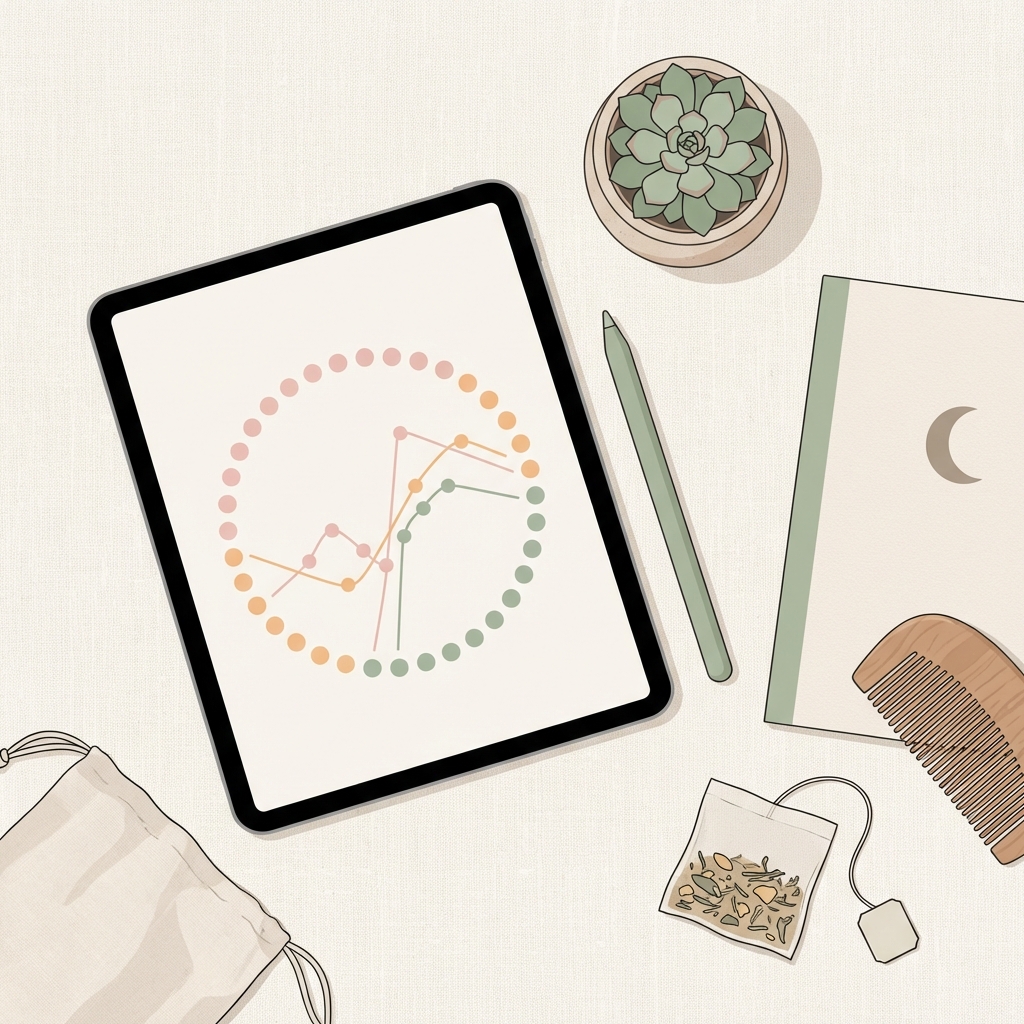
Understanding your individual patterns helps you anticipate challenging periods and provides valuable data for healthcare providers. Recording cycle length, even when irregular, helps identify your baseline and any trends over time. Noting when bleeding occurs after particularly long gaps can help you predict which cycles might bring more intense cramping and allow you to prepare proactively.
Pain tracking using a consistent scale helps identify whether your cramping is stable, improving, or worsening over time. Documenting the character of your pain—pressure, sharp cramps, aching—helps distinguish PCOS-related symptoms from pain caused by other conditions. Recording flow heaviness alongside cramping intensity reveals whether heavy bleeding and bad cramps correlate in your experience, which they often do in PCOS.
Noting lifestyle factors including diet, exercise, stress levels, and sleep alongside menstrual data helps identify patterns that might influence your symptoms. You might discover that high-stress periods correlate with longer cycles and worse cramps, or that certain foods seem to increase cramping. This information helps you make informed choices about lifestyle modifications and provides objective data for healthcare conversations.
Using an app designed for menstrual health tracking, like Endolog, makes consistent tracking easier than paper methods and allows you to review patterns across months and years. The ability to generate reports showing your cycle history, pain trends, and associated symptoms transforms subjective experience into objective documentation that supports effective healthcare.
The bottom line
Yes, irregular menstruation with PCOS tends to make period pain worse. The mechanisms behind this connection are well-established in medical literature: extended periods without ovulation create thickened, unstable endometrial linings that shed with intense prostaglandin release and powerful uterine contractions. The unpredictability of when breakthrough bleeding will occur prevents the preparation and preventive pain management that make regular periods more manageable. Psychological stress from living with unpredictability further amplifies pain perception.
However, understanding this connection empowers you to take action. Hormonal treatments, lifestyle modifications, targeted pain management, and systematic tracking can all improve your experience with PCOS menstruation. If your pain is severe or doesn't respond to PCOS-focused treatment, remember that additional evaluation may reveal co-existing conditions like endometriosis that require their own treatment approaches.
Your symptoms deserve attention and appropriate care. Don't accept severe pain as simply part of having PCOS—work with healthcare providers who take your experience seriously and explore all available treatment options until you find what works for you.
Track your PCOS symptoms systematically to understand your patterns, anticipate challenging periods, and have detailed information for productive conversations with your healthcare providers about managing irregular periods and their associated pain.
Related articles
Explore this topic
Related articles
January 30, 2026
Can PCOS Cause Severe Period Pain? What You Need to Know
Can PCOS really cause severe period pain? We explore the complex relationship between polycystic ovary syndrome and intense menstrual cramps, including when symptoms indicate something more.
January 4, 2026
Does PCOS Cause Painful Periods? Understanding the Connection
Does PCOS cause painful periods? Learn about the relationship between PCOS and menstrual pain, including why some people with PCOS experience cramping while others don't.
March 19, 2026
PCOS Irregular Period Tracking: When Standard Apps Fail
Master PCOS irregular period tracking with Endolog. Learn to identify cycles by tracking symptoms instead of dates to improve your clinical appointments today.
January 2, 2026
Sharp Pelvic Pain During Your Period: What Makes It Different
Sharp pelvic pain during your period differs from typical cramps. Understanding what creates sharp pain helps you determine when it requires medical evaluation.
January 1, 2026
Pelvic Pain During Your Period That Is Not Cramps
Pelvic pain during your period that feels different from typical cramps may indicate various causes. Learn to distinguish between normal variation and symptoms that warrant medical evaluation.
December 28, 2025
Painful Periods During Perimenopause: Understanding Menstrual Changes in Your 40s and 50s
Perimenopause brings hormonal shifts that can cause increasingly painful periods. Learn why your periods change in your 40s and 50s, and when pain warrants medical attention.