Why Does My Period Pain Go Down to My Thighs? Understanding Radiating Menstrual Pain


Understanding period pain that radiates to your thighs
If you have ever wondered, "Why does my period pain go down to my thighs?" you are not alone. Many people experience menstrual pain that seems to travel beyond their pelvis, radiating into their upper legs, thighs, or even knees. This phenomenon is more common than you might think, yet it is rarely discussed openly, leaving many people confused about whether their experience is normal.
Understanding why your period pain goes down to your thighs is the first step toward finding real relief and determining whether this symptom warrants further medical attention. In this guide, we will explore the science behind radiating menstrual pain, examine the various factors that can contribute to this sensation, and share practical strategies to help you feel more comfortable during your cycle.
The connection between menstruation and thigh pain involves a complex interplay of hormones, nerve pathways, muscle tension, and in some cases, underlying reproductive health conditions. Your body produces chemical messengers called prostaglandins that trigger uterine contractions to shed the uterine lining. However, these same chemical messengers can affect nerves and muscles throughout your pelvic region and lower body, creating sensations of pain that extend well beyond your uterus. Understanding these mechanisms can help you make sense of your symptoms and take proactive steps toward managing them effectively.
The anatomy of radiating period pain
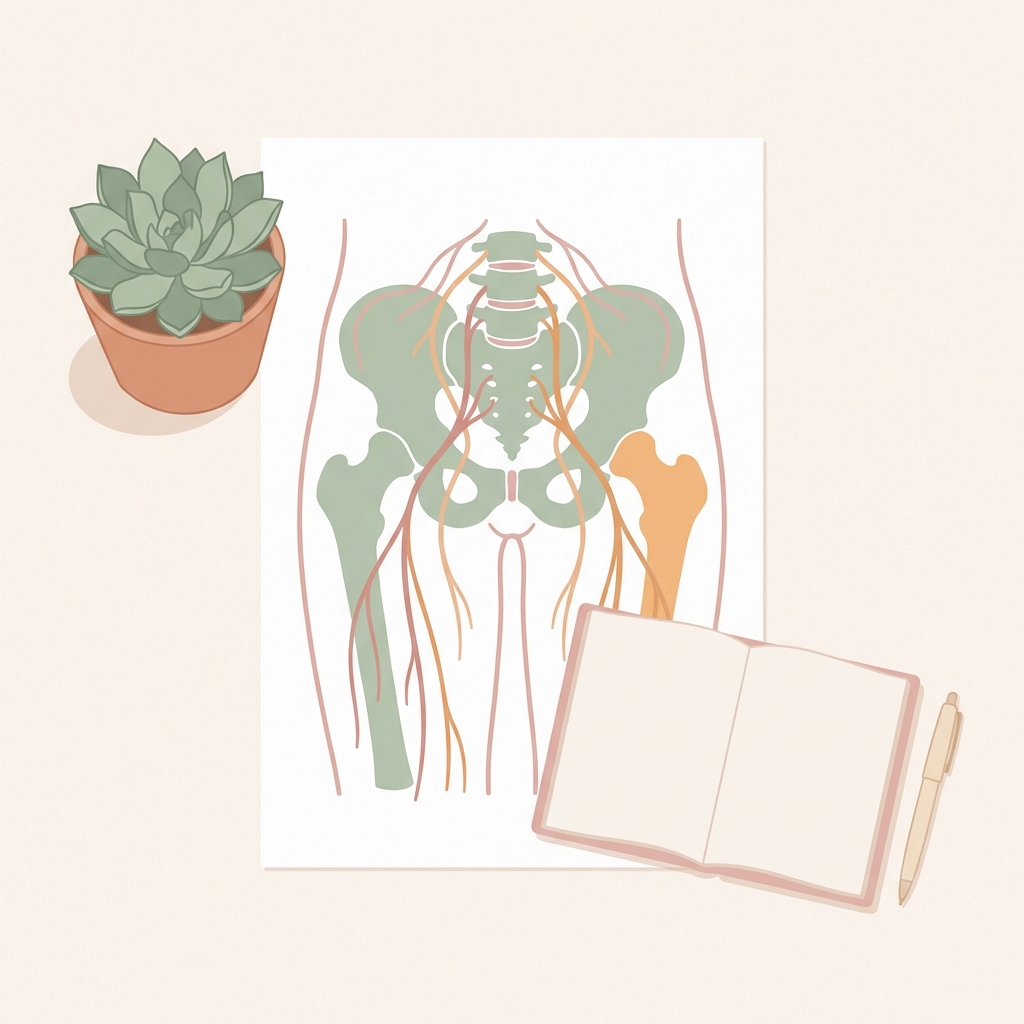
To understand why your period pain goes down to your thighs, it helps to know a bit about the interconnected anatomy of your pelvic region and lower body. The uterus, ovaries, fallopian tubes, and surrounding ligaments are all connected to a network of muscles, nerves, and connective tissues that extend throughout your lower abdomen, hips, and upper legs. When inflammation or tension develops in the pelvic area during menstruation, these signals can travel along nerve pathways and manifest as pain in seemingly unrelated areas, including your thighs.
The pelvis acts as a central hub for multiple nerve pathways that extend into the upper legs. The obturator nerve, for example, runs through the pelvis and supplies sensation to the inner thigh. The femoral nerve, which is the largest nerve in your body, originates in the lower back and travels through the pelvis before dividing into branches that innervate the front of your thigh. When pelvic inflammation or muscle tension compresses or irritates these nerves during menstruation, you may experience pain, tingling, numbness, or aching that seems to originate in your thighs rather than your pelvis.
Additionally, the hip flexors, quadriceps, and other muscles that connect to your pelvis and upper legs can become tense and sore during your period. This muscle tension may develop as a response to pelvic pain — you might unconsciously tighten your leg muscles when experiencing menstrual cramps — or it may result from the direct effects of hormonal changes and inflammatory mediators on muscle tissue. The result is a complex pattern of pain that can be difficult to untangle, with contributions from multiple sources including nerves, muscles, and referred pain from the uterus and surrounding structures.
The hormonal connection to thigh pain
Prostaglandins and their far-reaching effects
Prostaglandins are perhaps the most significant hormonal factor when it comes to understanding why your period pain goes down to your thighs. These lipid compounds act somewhat like hormones and are produced by the lining of your uterus in the days leading up to and during menstruation. Their primary job is to stimulate the uterine muscles to contract, which helps push out the endometrial tissue. However, prostaglandins do not stay confined to your uterus. They circulate throughout your bloodstream and can affect smooth muscles and nerve sensitivity in other parts of your body, including the pelvic floor muscles, hip muscles, and nerves that connect to your thighs.
When prostaglandin levels are high during menstruation, they can cause widespread muscle tension and inflammation in the pelvic region and upper legs. This may result in aching, throbbing, or cramping sensations in your thighs that coincide with your most intense period pain. The intensity of this pain often correlates with the level of prostaglandin production, which is why some months may feel worse than others, and why some people experience significant thigh pain while others do not. Understanding this connection can help you anticipate periods of increased discomfort and take preventive measures.
Beyond causing direct muscle tension, prostaglandins can also influence pain perception throughout your body. They lower the threshold for pain signals, meaning that sensations you might otherwise ignore become more noticeable and uncomfortable. This heightened sensitivity can make normal muscle tension or minor nerve irritation in your hips and thighs feel much more painful during your period. The cumulative effect is that even mild thigh discomfort that you might not notice at other times of the month can feel significant and distracting when prostaglandin levels are high.
Hormonal fluctuations during menstruation
Your menstrual cycle involves dramatic shifts in hormone levels, and these fluctuations can have far-reaching effects on your entire body, including your hips and thighs. Estrogen and progesterone levels drop significantly at the start of menstruation, and this hormonal shift can affect multiple body systems. One common effect is water retention, which increases during the premenstrual phase and can continue into the early days of your period. This excess fluid can cause your pelvis and lower extremities to feel swollen and heavy, potentially putting pressure on nerves and increasing discomfort in your thighs.
The drop in progesterone can also affect your nervous system, potentially increasing nerve sensitivity and making you more aware of physical sensations that you might otherwise tune out. This can amplify the perception of pain in your thighs, turning what might be mild discomfort into something more noticeable and bothersome. Additionally, the hormonal changes can affect your sleep quality and patterns. Poor sleep can lower your pain threshold and make any existing discomfort feel more intense, creating a cycle where thigh pain disrupts rest, and inadequate rest makes the pain feel worse.
Changes in estrogen levels can also affect the ligaments and connective tissues throughout your body, including those in your pelvis and upper legs. During menstruation, these tissues may become slightly more relaxed and mobile, which can alter your posture and movement patterns. Over the course of your period, these subtle changes can lead to muscle imbalances and increased strain on certain muscle groups, potentially contributing to thigh pain that develops or worsens as your period progresses.
Types of thigh pain during your period
Thigh pain during menstruation manifests in several distinct ways, and understanding which type you experience can help you better address it. Whether you are dealing with aching, cramping, sharp nerve pain, or a general heavy feeling in your thighs, recognizing the pattern is the first step toward finding relief and determining whether your symptoms might indicate an underlying condition.
Deep, aching thigh pain
Deep aching pain in your thighs during your period is often related to the cumulative effects of hormonal changes, fluid retention, and increased muscle tension in your pelvic floor and hip muscles. You might describe this sensation as a heavy, sore, or throbbing feeling in your quadriceps, hamstrings, or inner thigh muscles. This type of discomfort often builds gradually throughout the day and may worsen with physical activity, prolonged standing, or sitting in certain positions. The pain may be bilateral, affecting both thighs, or it may be more pronounced on one side than the other.
Deep aching thigh pain is frequently connected to referred pain from the uterus and pelvic floor muscles. When your uterus is cramping and sending pain signals through the nerves that connect to your upper legs, your brain may interpret some of that discomfort as coming from your thighs rather than — or in addition to — your pelvis. This referred pain phenomenon is well-documented in medical literature and helps explain why menstrual discomfort can feel so widespread and difficult to localize. Understanding that this type of pain has a real physiological basis can help validate your experience and guide you toward appropriate treatment strategies.
Nerve-related thigh pain
Some people experience sharp, shooting, or electric sensations in their thighs during their period, which are more characteristic of nerve irritation than muscle ache. This type of pain may come on suddenly and feel like a streak of lightning running down your leg, or it may manifest as persistent tingling, numbness, or burning sensations. Nerve-related thigh pain during menstruation is often related to compression or irritation of the nerves that supply the legs, particularly the obturator nerve, femoral nerve, or genitofemoral nerve.
When pelvic floor muscles become tense and inflamed during menstruation, they can compress these nerves as they pass through the pelvis, creating pain that radiates along the nerve's distribution into the thigh. Endometriosis lesions that develop near these nerve pathways can also cause nerve irritation and the characteristic shooting pain that extends into the leg. Additionally, the piriformis muscle, which is located deep in your buttocks, can become tight and painful during menstruation, potentially compressing the sciatic nerve and causing pain that radiates down the back of your thigh.
Muscle cramping in the thighs
Leg cramps during period episodes are characterized by sudden, intense muscle contractions that can be quite painful and debilitating. These cramps typically affect the calf muscles but can also occur in the thighs, particularly the quadriceps at the front of your thigh or the adductor muscles on the inner thigh. The pain comes on quickly and often peaks within seconds before gradually easing as the muscle relaxes. Some people experience multiple cramping episodes throughout their period, while others may have only occasional episodes.
These cramps are often linked to prostaglandin activity, as the same compounds that cause uterine cramping can trigger similar contractions in your leg muscles. Dehydration, which can worsen during menstruation due to fluid shifts, can also contribute to cramping. Some people find that their thighs cramp more severely when they have been sitting or lying in one position for too long, as this can restrict blood flow to the muscles. Electrolyte imbalances, particularly low levels of magnesium, potassium, or calcium, can also make muscles more prone to cramping during your period.
Underlying conditions that may cause thigh pain
While hormonal factors explain much of the thigh pain that occurs during menstruation, certain underlying conditions can make this pain more severe or indicate that something more significant is happening in your body. Understanding these conditions can help you determine whether your thigh pain during your period is a normal part of your cycle or warrants further investigation.
Endometriosis
Endometriosis is a condition where tissue similar to the uterine lining grows outside the uterus, often on the ovaries, fallopian tubes, ligaments supporting the uterus, or the lining of your pelvic cavity. This tissue responds to hormonal changes throughout the menstrual cycle, bleeding and inflaming just like the uterine lining. The resulting inflammation can affect nearby nerves, muscles, and connective tissues, potentially causing significant pain that radiates to your thighs, knees, or even lower legs.
When endometriosis lesions develop near the nerves that supply the pelvic region and upper legs, they can cause referred pain that feels like it is coming from your thighs even though the source is elsewhere. This type of pain is often described as deep, aching, or throbbing and may be accompanied by other symptoms like painful periods, pain during intercourse, or digestive issues. Some people with endometriosis also experience thigh pain due to pelvic floor muscle tension, which can develop in response to chronic pelvic pain. If your thigh pain during your period is severe, persistent, or accompanied by other concerning symptoms, it may be worth discussing endometriosis with your healthcare provider.
Adenomyosis
Adenomyosis occurs when endometrial tissue grows into the muscular wall of the uterus, causing the uterus to enlarge and become inflamed. This condition often leads to heavier, more painful periods and can contribute to referred pain that radiates down into the thighs. The enlarged, tender uterus can put pressure on the nerves and muscles of the pelvic floor, creating a sensation of pain that extends into the upper legs. If you have particularly intense thigh aches along with very heavy menstrual bleeding and an enlarged, tender uterus, adenomyosis could be a factor in your symptoms.
Pelvic floor dysfunction
Your pelvic floor muscles support your pelvic organs and help control bladder and bowel function. During your period, hormonal changes and inflammation can cause these muscles to become tense, overactive, or dysfunctional. When pelvic floor muscles are tight or spasming, they can create pain that refers to your thighs, hips, or lower back. This type of pain is often described as a deep, aching sensation that may worsen with sitting, bowel movements, or certain movements that engage the pelvic floor muscles.
People with pelvic floor dysfunction may experience thigh pain that worsens with sitting for extended periods, as this position puts pressure on the pelvic floor muscles and the nerves that pass through this region. The pain may be accompanied by other symptoms like urinary urgency, frequency, or pain with urination. Pelvic floor physical therapy is often an effective treatment for this type of pain, helping to release tight muscles and restore proper muscle function.
Sacroiliac joint dysfunction
The sacroiliac joints connect your sacrum (the triangular bone at the base of your spine) to your iliac bones (the large bones that form your pelvis). These joints bear significant weight and stress, and they can become irritated or dysfunctional due to hormonal changes, altered biomechanics, or injury. During menstruation, the ligaments around the sacroiliac joints may become more lax due to hormonal fluctuations, potentially causing increased joint mobility and irritation.
This can lead to pain that is felt in the lower back, buttocks, or front of the thigh. The pain may worsen with standing, walking, climbing stairs, or lying on the affected side. The connection between sacroiliac joint dysfunction and thigh pain occurs because the joints are located near nerves and muscle attachments that influence the upper legs. When these joints are irritated, the resulting muscle tension and altered movement patterns can contribute to thigh pain during your period.
Relief strategies for thigh pain during your period

Finding relief when your period pain goes down to your thighs often requires a multi-pronged approach. By combining lifestyle strategies, home remedies, and targeted interventions, you can significantly reduce discomfort and improve your quality of life during menstruation.
Heat therapy
Applying heat to your lower back, hips, and thighs can help relax tense muscles and increase blood flow to the area, reducing pain and stiffness. You can use a heating pad, hot water bottle, warm compress, or simply soak in a warm bath to experience these benefits. Many people find that a warm bath not only helps with thigh pain but also provides overall relaxation that eases other period symptoms. Focus the heat on your lower back, hips, and the muscles of your thighs, spending about 15-20 minutes at a time with the heat source.
Heat wraps that you can wear under your clothes during the day can provide continuous relief while you go about your activities. These wraps are particularly useful for managing thigh pain at work or while running errands, allowing you to maintain comfort throughout the day without interrupting your routine. Be sure to use a barrier between the heat source and your skin to avoid burns, and never fall asleep with a heating pad in place.
Stretching and movement
Gentle stretching can help release tension in the muscles of your hips, lower back, and thighs, relieving pain and improving mobility. Some effective stretches for period-related thigh pain include seated forward folds to stretch your hamstrings, gentle hip openers like figure-four stretches, and standing quad stretches to release tension in the front of your thighs. The hip flexor stretch, where you lunge forward with one leg, can be particularly helpful for releasing tension in the muscles that connect your pelvis to your upper legs.
Taking regular breaks to move throughout the day can also help prevent thigh pain from worsening due to prolonged sitting or standing. Even a short walk every hour can help keep your muscles from becoming tight and stiff. Low-impact activities like swimming, walking, and gentle yoga can promote good circulation and help keep your muscles relaxed during your period. Pay attention to how different movements affect your pain and adjust your activity level accordingly — some days may call for more rest, while others may benefit from gentle movement.
Massage and self-myofascial release
Gentle massage of your hips and thighs can provide quick relief from period-related pain. Using your hands, a massage ball, or a foam roller, apply firm pressure to the muscles of your thighs and hips, holding on any particularly tight spots for 30-60 seconds. This can help release muscle tension and improve blood flow to the area. Focus on your quadriceps at the front of your thigh, your hamstrings at the back, and your hip flexors at the front of your pelvis.
Some people find that massaging with a muscle-relaxing essential oil, such as lavender or peppermint, enhances the relief. You can also try a tennis ball or lacrosse ball placed between your thigh and a wall or on the floor, using your body weight to apply pressure to tight spots in your thigh muscles. Start with light pressure and gradually increase as tolerated, being careful to avoid any areas that feel overly sensitive or painful.
Over-the-counter pain relief
Nonsteroidal anti-inflammatory drugs (NSAIDs) like ibuprofen or naproxen can help reduce inflammation and relieve pain associated with menstrual thigh pain. These medications work by inhibiting prostaglandin production, which can reduce both uterine cramping and the muscle tension and nerve sensitivity that contribute to thigh pain. For best results, start taking NSAIDs at the first sign of your period or even a day before you expect your period to begin. This can help prevent the cascade of prostaglandin release that leads to pain and inflammation.
Magnesium supplementation may also help reduce menstrual cramps and associated muscle aches, including thigh pain. Magnesium helps regulate nerve and muscle function, and it may also help counteract the muscle-tightening effects of prostaglandins. Foods rich in magnesium include dark leafy greens, nuts and seeds, whole grains, and legumes. You might also consider a magnesium supplement, though it is always a good idea to consult with your healthcare provider before starting any new supplement regimen.
Hydration and nutrition
Staying well-hydrated is important for reducing inflammation and preventing muscle cramps that can contribute to thigh pain during your period. Dehydration can make muscles more susceptible to cramping and discomfort, so aim to drink plenty of water throughout the day. Reducing your intake of caffeine and alcohol, which can dehydrate you and potentially worsen inflammation, may also help minimize period-related pain.
Eating an anti-inflammatory diet rich in fruits, vegetables, whole grains, and omega-3 fatty acids may help reduce period-related pain throughout your body, including your thighs. Reducing your intake of processed foods, sugar, and saturated fats can help minimize inflammation and may ease thigh pain and other menstrual symptoms. Pay attention to how different foods affect your symptoms, as some people find that certain foods trigger increased pain and bloating during their period.
When to seek medical advice
While most thigh pain during menstruation is normal, certain symptoms warrant a conversation with your healthcare provider. If your period pain goes down to your thighs so severely that it significantly impacts your daily life, or if the pain is accompanied by other concerning symptoms, professional medical advice can help identify any underlying issues and guide appropriate treatment.
Seek medical advice if you experience thigh pain during your period that is significantly more severe than what you have experienced before, as this could indicate a change in your reproductive health. Additionally, if your thigh pain is accompanied by heavy bleeding, fever, unexplained weight loss, or pain that does not improve with home remedies, it is important to rule out more serious conditions. If you suspect that your thigh pain might be related to an underlying condition like endometriosis or pelvic floor dysfunction, discussing your symptoms with a healthcare provider who specializes in pelvic pain can help you get an accurate diagnosis and appropriate treatment.
Documenting your symptoms, including when your period pain goes down to your thighs and what makes it better or worse, can be valuable information for your healthcare provider. Using a symptom tracking app like Endolog can help you identify patterns and provide detailed information about your pain, which can aid in diagnosis and treatment planning. Over time, this tracking can help you identify triggers, evaluate the effectiveness of different relief strategies, and provide concrete data if you need to discuss your symptoms with a doctor.
Embracing your experience
Understanding why your period pain goes down to your thighs can bring a sense of relief and validation. The connection between prostaglandins, hormonal fluctuations, muscle tension, and nerve sensitivity explains much of the radiating pain that many people experience during menstruation. While this discomfort is common, it is not something you simply have to accept without exploring solutions.
Whether you are dealing with aching thighs, nerve-related shooting pain, or muscle cramps in your legs, there are steps you can take to find relief. From gentle stretching and heat therapy to proper hydration and targeted pain relief, these strategies can help you manage discomfort and maintain your quality of life during your period. Remember that if your period pain goes down to your thighs in ways that feel severe or unusual, seeking professional medical advice is always appropriate. Your pain is valid, and you deserve thorough evaluation and support.
At Endolog, we believe in validating your experiences and empowering you with the tools to understand and manage your reproductive health. You do not have to navigate period-related thigh pain alone. By understanding the science behind your symptoms and taking proactive steps toward relief, you can reclaim comfort and confidence throughout your menstrual cycle. Consider using Endolog to track your symptoms over time, identifying patterns and sharing detailed information with your healthcare providers to get the support you deserve.
Keywords: period pain goes down to thighs, radiating period pain, thigh pain during period, menstrual pain thighs, why does period pain go to my thighs, period leg pain, referred period pain, prostaglandins and leg pain, endometriosis thigh pain, pelvic floor dysfunction leg pain
This content is provided for educational purposes only and does not constitute medical advice. Consult your doctor for guidance tailored to your personal circumstances.
Explore this topic
Related articles
December 30, 2025
Why Your Legs Ache During Your Period — And How to Find Relief
Leg aches during your period are real, common, and frustrating. Learn why they happen, when they might signal something more, and science-backed strategies to ease the pain.
January 9, 2026
Butt Pain During Period: Why It Happens and How to Find Relief
Discover why your butt hurts during your period, including the connection between menstrual cycles and pelvic, hip, and lower back pain that radiates to the buttocks.
March 28, 2026
Why Does My Hip Hurt During Ovulation? Causes and Relief
Discover why you experience hip pain during ovulation. Learn about mittelschmerz, endometriosis, and how tracking your symptoms can help you find relief.
March 20, 2026
Chronic Pelvic Pain: When It Is Not Just Your Period
Discover why you may experience chronic pelvic pain not during your period. Learn about endometriosis, IC, and pelvic floor issues with our symptom-tracking tips.
March 16, 2026
Lower Back Pain During Period: Causes and When to See a Doctor
Understand why lower back pain happens during your period, from prostaglandins to endometriosis, and learn when your symptoms might require medical attention.
March 4, 2026
Where Is Ovary Pain Felt? Identifying the Source of Pelvic Pain
Learn where ovary pain is located, how it feels, and what symptoms like bloating or sharp pain may mean. Track your cycles and flares with the Endolog app.