Left Side Ovary Pain: Understanding One-Sided Pelvic Discomfort
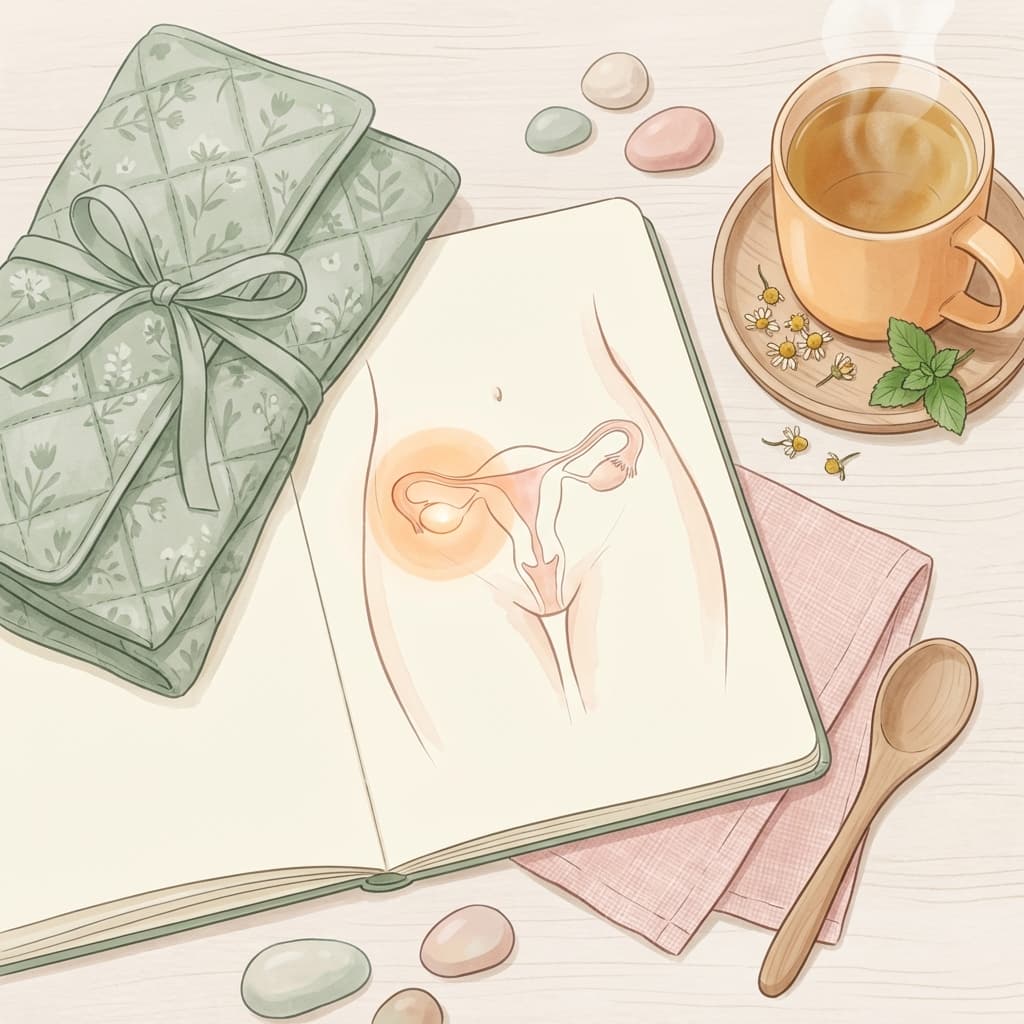

What You Need to Know About Left Side Ovary Pain
Pain focused on the left side of your lower abdomen, specifically in the ovarian region, is a experience that brings many people to search for answers. This one-sided quality of pain provides important clues about what might be happening inside your body. Left side ovary pain can arise from completely normal physiological processes like ovulation, or it can indicate conditions that deserve medical attention and appropriate treatment. Understanding the patterns, characteristics, and associated symptoms helps you interpret what your body is communicating and decide when professional evaluation is warranted.
The ovaries are paired organs that function somewhat independently, which means processes affecting one ovary may not affect the other at all. This independence explains why you might experience sensations consistently on one side or why pain might shift from month to month. Some people naturally have a "dominant" ovary that releases eggs more consistently, leading to predictable patterns of discomfort on that side. Others may have anatomical differences or variations in how endometriosis, cysts, or other conditions develop across the two ovaries.
Learning to distinguish between normal cyclical sensations and pain that signals something more significant empowers you to respond appropriately to your body's signals. This knowledge reduces anxiety when pain is likely harmless while helping you recognize when medical evaluation is necessary. Consistent tracking of your symptoms provides the documentation that supports both your self-understanding and productive conversations with healthcare providers.
Common Causes of Left Side Ovary Pain
Ovulation and Mid-Cycle Sensations
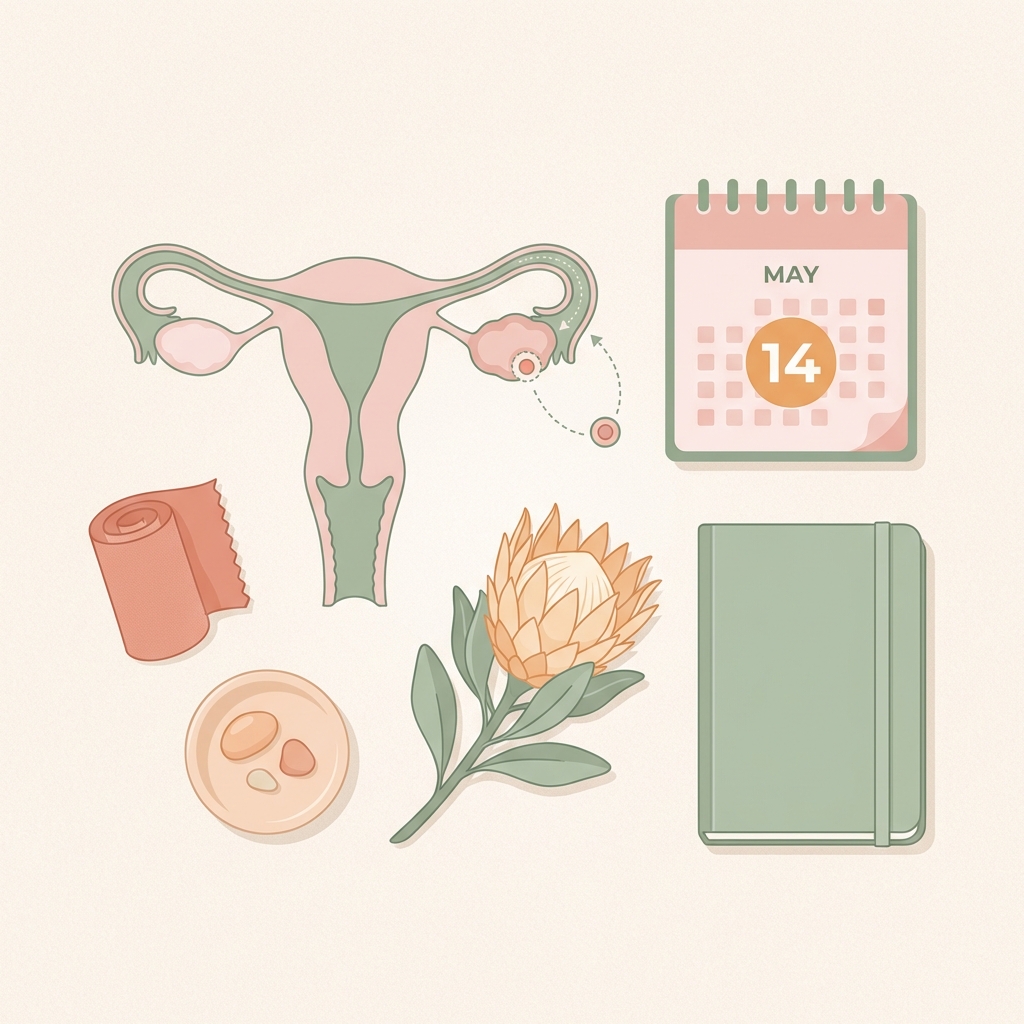
Mittelschmerz, the medical term for ovulation pain, affects many people and typically presents as discomfort on one side of the lower abdomen occurring around the middle of the menstrual cycle. This pain occurs when the ovary releases an egg, and the sensations can range from a mild twinge lasting minutes to more persistent aching lasting a day or two. The left ovary releases an egg approximately every other cycle, meaning you might notice left side ovary pain during some months but not others, with corresponding pain on the right side during alternating months.
The mechanism behind ovulation pain involves the follicle containing the maturing egg stretching the surface of the ovary before release. When the egg breaks through the ovarian wall, small amounts of follicular fluid and sometimes a small quantity of blood escape into the pelvic cavity, which can irritate surrounding tissues and cause discomfort. This irritation typically resolves as the fluid is reabsorbed, which explains why ovulation pain is usually brief and self-limiting.
Many people find that their ovulation pain follows predictable patterns once they start tracking consistently. You might notice the pain occurs around the same time each cycle, coincides with changes in cervical mucus, or is accompanied by slight mid-cycle spotting. These patterns confirm the cyclical nature of the discomfort and distinguish it from other causes of one-sided pelvic pain that don't follow menstrual timing. Understanding that this is a normal part of your cycle can provide significant reassurance when it occurs.
Ovarian Cysts and Left Side Discomfort
Ovarian cysts are fluid-filled sacs that develop on or inside the ovaries, and they represent one of the most common causes of persistent left side ovary pain. Most cysts are functional, meaning they develop as part of the normal ovulation process, and many resolve on their own within a few months without causing significant symptoms. However, certain types of cysts can grow large enough to create noticeable discomfort or persist long enough to warrant medical attention.
Follicular cysts form when the follicle containing the maturing egg fails to release its egg and instead continues growing. These cysts can cause mild to moderate aching on the affected side that persists for days or weeks. Corpus luteum cysts develop after the egg is released when the empty follicle fills with fluid instead of shrinking away as it normally would. This type of cyst typically causes similar aching discomfort that may intensify during certain activities like exercise, bending, or sexual intercourse.
When cysts grow large or develop complications, the pain they cause becomes more significant. A cyst that ruptures can cause sudden, sharp pain accompanied by nausea or lightheadedness as the fluid contents irritate the pelvic cavity. Ovarian torsion occurs when a large cyst causes the ovary to rotate on its ligament, cutting off blood supply to the organ. This is a medical emergency characterized by severe, sudden pain that requires immediate surgical intervention. While these complications are relatively uncommon, they represent important reasons to seek evaluation for persistent or severe left side ovary pain.
Endometriosis and Left-Sided Pelvic Pain
Endometriosis occurs when tissue similar to the uterine lining grows outside the uterus, commonly implanting on the ovaries, ligaments, and other pelvic structures. This misplaced tissue responds to hormonal cycles by bleeding and becoming inflamed, creating pain that often localizes to specific areas depending on where the implants are located. When endometriosis affects the left ovary or surrounding structures more significantly than the right, it can cause persistent or cyclical pain concentrated on that side.
Endometriosis-related left side ovary pain typically differs from normal ovulation sensations in several important ways. The pain often begins before your period starts and continues throughout bleeding and sometimes afterward, rather than lasting just a day or two around ovulation. You might experience pain during sexual intercourse, particularly in positions that put pressure on the left side, or pain with bowel movements that feels localized to that area. Over time, endometriosis pain often gradually worsens rather than staying consistent cycle to cycle.
Endometriomas, sometimes called chocolate cysts, form when endometrial tissue grows inside the ovary and repeatedly bleeds, causing the cyst to fill with old blood. These cysts can cause persistent aching on the affected side and may grow large enough to create noticeable pressure or even visible abdominal swelling. The pain from endometriomas often intensifies significantly during menstruation as the embedded tissue responds to hormonal changes. Managing endometriosis-related left side pain typically requires specialized treatment approaches beyond what functional cysts or ovulation pain would require.
Pelvic Inflammatory Disease and Infections
Pelvic inflammatory disease, typically resulting from untreated sexually transmitted infections, can cause inflammation that localizes to one side of the pelvis more than the other. This condition often causes persistent aching or cramping pain that may be accompanied by fever, unusual vaginal discharge, pain during intercourse, or irregular bleeding. Unlike cyclical pain related to ovulation, PID-related pain doesn't follow predictable menstrual patterns and tends to progressively worsen without treatment.
Other types of pelvic infections, including those following surgical procedures or arising from other causes, can similarly create one-sided pain patterns. The inflammation associated with infection typically causes more constant discomfort than the intermittent sensations of ovulation, and it often comes with systemic symptoms like fever, fatigue, or general malaise that help distinguish infectious causes from other types of pelvic pain.
Referred Pain and Other Sources
Several structures near the left ovary can create pain that feels like it's originating from the ovarian region even though the actual source is elsewhere. Constipation, irritable bowel syndrome, or other bowel conditions can cause referred pain that localizes to the lower left abdomen where the sigmoid colon sits near the ovarian area. Muscle strains in the abdominal wall, hernia development, or issues with the hip joint can similarly create pain that mimics ovarian discomfort.
Urinary tract conditions including infections, kidney stones, or bladder inflammation can also create pain patterns that feel similar to left side ovary pain. The close proximity of the urinary and reproductive systems in the pelvis means that distinguishing between these sources based on location alone can be challenging. Associated symptoms like painful urination, changes in urinary frequency, or pain that shifts with bowel movements help point toward urinary or gastrointestinal sources rather than primary ovarian issues.
Pregnancy-related changes can cause left-sided discomfort as the expanding uterus puts pressure on surrounding structures and ligaments stretch to accommodate growth. While most pregnancy-related pelvic discomfort is normal, any new pain during pregnancy deserves evaluation to rule out ectopic pregnancy, ovarian complications, or other concerns requiring medical attention.
Distinguishing Normal From Concerning Patterns
Characteristics of Normal Left Side Ovary Pain
Normal left side ovary pain related to ovulation typically presents with specific characteristics that help distinguish it from concerning patterns. This pain usually occurs around day 14 of a regular 28-day cycle, though timing varies based on your individual cycle length. It lasts from a few minutes up to approximately 48 hours in most cases, resolving spontaneously as the ovulation process completes. The quality of the sensation is usually mild to moderate, described as aching, cramping, or twinging rather than sharp or severe.
Normal ovulation pain stays consistent in its presentation cycle after cycle, occurring at predictable times with similar intensity and duration. You might notice it shifting to the right side during months when the left ovary isn't releasing an egg, or you might consistently feel ovulation sensations only on one side if that ovary is more active. Either pattern falls within normal variation as long as the characteristics of the pain remain consistent.
The pain of normal ovulation doesn't significantly impact your daily activities. You might notice it but can typically continue normal work, exercise, and other activities without major disruption. Over-the-counter pain relievers, heating pads, or rest typically provide some relief, and the pain doesn't wake you from sleep or occur at random times unrelated to your cycle timing.
Warning Signs Requiring Medical Evaluation
Certain characteristics of left side ovary pain suggest causes beyond normal cyclical discomfort and warrant medical evaluation. Sudden, severe pain that comes on rapidly and intensifies quickly may indicate a ruptured cyst, ovarian torsion, or other acute condition requiring prompt attention. This type of pain typically causes significant distress and inability to continue normal activities.
Pain accompanied by fever, vomiting, dizziness, or changes in consciousness suggests more serious acute conditions. These systemic symptoms indicate that the pain stems from something more significant than normal ovulation or functional cysts and requires evaluation to rule out infection, torsion, or other complications requiring treatment.
Progressive worsening of left side ovary pain over several cycles, rather than staying consistent, suggests conditions like endometriosis or growing cysts that may require intervention. Similarly, pain that begins earlier in your cycle, lasts longer than expected, or occurs at multiple points during each cycle provides important information about potential underlying conditions. Documenting these changes helps healthcare providers understand the progression of your symptoms.
Pain during pregnancy of any intensity, particularly in the first trimester, requires immediate evaluation to rule out ectopic pregnancy or other complications. New left side ovary pain appearing after years of stable menstrual experiences also deserves investigation, as it may indicate a condition that has developed over time.
How to Describe Left Side Ovary Pain to Healthcare Providers
When discussing left side ovary pain with a healthcare provider, specific details help distinguish between normal variations and concerning patterns. Your ability to provide concrete information supports accurate diagnosis and appropriate treatment recommendations.
Location specifics: Describe exactly where you feel the pain within your lower abdomen. Does it feel deep in your pelvis, near your hip bone, or more central? Can you point to a specific spot or does the pain cover a broader area? Does it stay localized or radiate toward your back, thigh, or other areas? These details help providers understand whether the pain truly originates from ovarian structures or comes from nearby systems.
Timing and cycle correlation: Note whether the pain occurs at consistent points in your menstrual cycle, appears randomly, or follows other patterns. Document where you are in your cycle when pain begins and how long episodes typically last. Ovulation pain typically occurs predictably around mid-cycle while pathological pain often occurs at multiple points or follows irregular patterns. Recording this information across multiple cycles reveals whether timing is consistent or changing.
Quality and intensity: Describe the sensation using specific words like sharp, dull, aching, cramping, stabbing, or throbbing. Rate the intensity on a scale and note whether it remains constant or fluctuates. Document what makes the pain better or worse, including rest, heat, activity, medications, or position changes. These modifying factors provide diagnostic information about the underlying cause.
Associated symptoms: Pay attention to symptoms that accompany the pain, including nausea, vomiting, fever, changes in bowel or bladder function, unusual vaginal discharge, bleeding between periods, or pain during intercourse. Record whether these associated symptoms occur simultaneously with the pain or independently. This information helps distinguish between causes and guides appropriate testing or treatment.
Tracking Your Left Side Ovary Pain Patterns
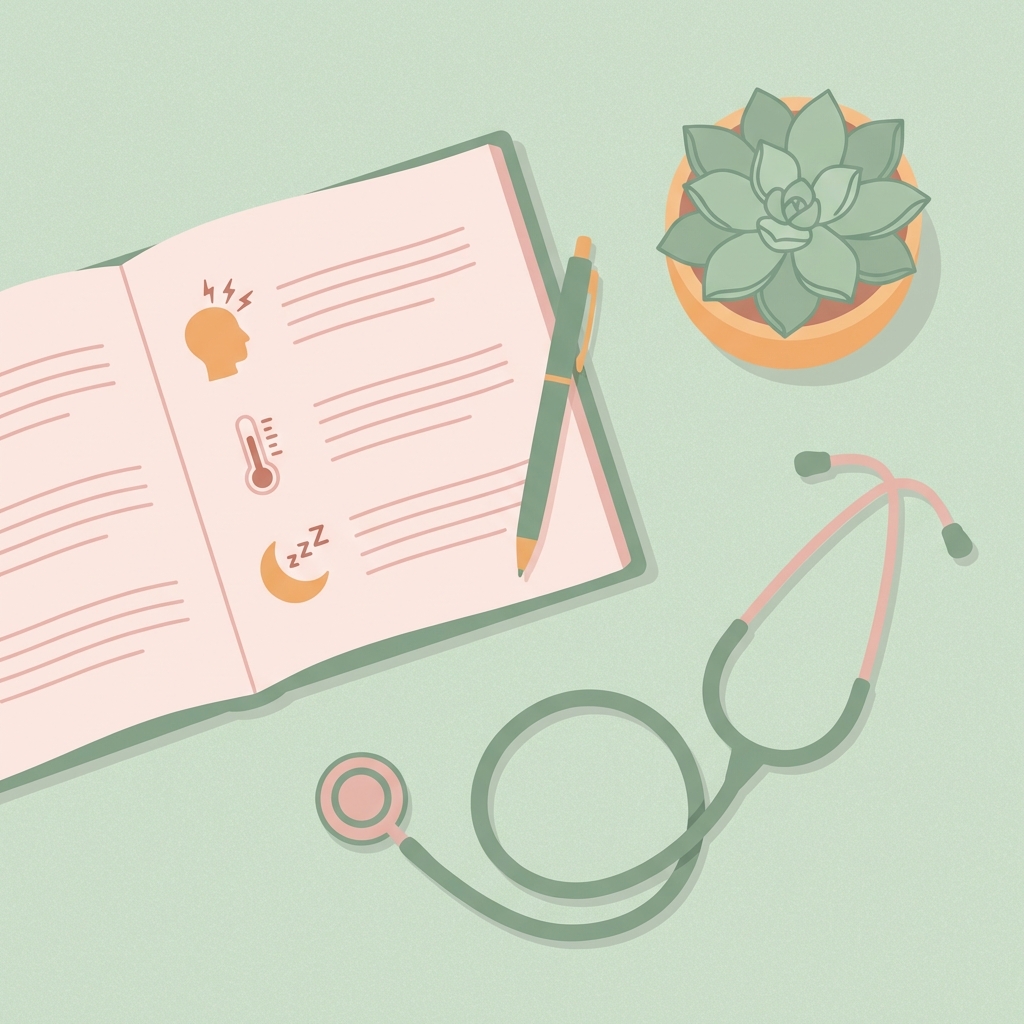
Understanding your left side ovary pain requires consistent observation over multiple menstrual cycles. Tracking helps you recognize whether patterns are cyclical and predictable or whether they represent changes from your baseline experience that deserve medical attention.
Record the exact dates when pain occurs, including where you are in your menstrual cycle at that time. Note the location as precisely as possible, whether it's deep in your pelvis near your hip bone, more central, or radiating toward other areas. Document the quality of pain using descriptive words like sharp, dull, cramping, aching, or stabbing. Record intensity on a consistent scale and note duration along with any factors that make the pain better or worse.
Track related symptoms carefully, including any bleeding, changes in bowel or bladder function, nausea, or other systemic effects. Note whether pain occurs during or after specific activities, at particular times of day, or in relation to stress, food, or other variables. Over time, these records reveal patterns that may not be apparent from single observations.
Apps designed for menstrual and symptom tracking, like Endolog, make comprehensive documentation easier and help you identify patterns across cycles. This systematic approach transforms subjective experiences into objective data that supports healthcare conversations. When you bring documented patterns to appointments, providers can see concrete information rather than relying on memories that may not capture the full picture.
When to Seek Medical Evaluation
Understanding when left side ovary pain requires professional attention helps you respond appropriately without either dismissing concerning symptoms or unnecessarily worrying about normal variations.
Seek prompt evaluation for: Sudden, severe pain that comes on rapidly or intensifies quickly. Pain accompanied by fever, vomiting, or inability to keep fluids down. Pain that makes walking, standing, or performing normal activities difficult. Pain during pregnancy of any intensity. Symptoms of shock including dizziness, rapid heartbeat, or confusion. These patterns suggest acute conditions requiring immediate medical attention.
Schedule evaluation for: Pain that gradually worsens over several cycles rather than improving or staying consistent. Pain that begins earlier in your cycle or lasts longer than expected. New pain appearing after years of stable menstrual experiences. Pain accompanied by changes in bowel or bladder function, unusual discharge, or pain during intercourse. Infertility combined with persistent one-sided pain. These patterns suggest conditions requiring diagnosis and treatment but not necessarily emergency care.
Regular check-ups with gynecological care providers allow for ongoing assessment of any persistent left side ovary pain. Even when symptoms don't require urgent attention, discussing patterns during routine visits helps build a complete picture of your gynecological health and supports timely intervention if patterns change.
Related Articles
Explore this topic
Related articles
December 28, 2025
Ovary Discomfort: What It Can Feel Like and What to Track
Ovary discomfort encompasses many sensations. Learn what types of discomfort are normal, what might indicate a concern, and how tracking helps you understand your patterns.
December 24, 2025
Left Ovary Pain: Common Patterns and When to Pay Attention
Left ovary pain is a common experience with many potential causes. Learn about typical patterns, what makes it different from normal discomfort, and when to seek evaluation.
January 6, 2026
What Ovarian Cyst Pain Can Feel Like
Ovarian cyst pain varies widely depending on the type and size of the cyst. Understanding the different sensations helps you communicate effectively with healthcare providers.