Can Birth Control Make Endometriosis Worse? What to Know


Birth control is not known to make endometriosis worse. The hormones in the pill make endometriosis tissue less active, but they do not remove it, and some people get only part of the relief, or none, so pain can go on or come back while you take it.
If you started the pill or another hormonal method and your pain did not get better, or got worse, this page explains the likely reasons, what your doctor may try next, and when to go back to them. Do not stop or change your medicine on your own. Talk with your doctor first.
Does the pill stop endometriosis growing?
The pill does not cure endometriosis. Combined hormonal contraceptives and progestins do not remove endometriosis lesions; at best they make them quiet while you take them.
Hormone treatment can help to keep endometriosis from coming back after surgery. After surgery for an endometrioma, guidelines recommend long-term hormone treatment, such as a combined hormonal contraceptive, to help prevent the cyst and its symptoms from coming back. It is less certain if the pill can prevent endometriosis in the first place.
The pill can also hide symptoms for a time. Endometriosis is diagnosed less often in people who take the pill, but this may be because the pill eases the pain for a while, so the diagnosis comes later.
Why pain can continue on the pill
Combined hormonal contraceptives (the pill, the patch or the vaginal ring) are one of the main treatments recommended to reduce endometriosis pain, including period pain, pain during sex and pain between periods. But they do not work equally well for everyone. These are the common reasons pain goes on.
The first few months
Bleeding between periods (breakthrough bleeding) and changes to your periods are common in the first few months on the pill. Your body may need time to settle. If side effects are still a problem after 3 months, talk to your doctor or pharmacist.
The hormone-free week
With most pill packs, you take a 7-day break or dummy pills, and you usually have a bleed like a period during that week. If your worst pain comes with that bleed, tell your doctor. People with endometriosis period pain can be offered the pill continuously, with no break.
Progesterone resistance
In endometriosis tissue, the receptors that respond to progesterone are often fewer and work less well. This is called progesterone resistance. It can make hormone treatments work less well. Deep endometriosis seems to shrink less with medical treatment than other types.
The disease itself
Because the pill does not remove endometriosis, symptoms can continue. The evidence for the pill is also thinner than many people expect: a review of trials found too little good evidence to judge how well the combined pill works for endometriosis pain compared with a placebo or other medicines.
Another cause of pain
Pelvic pain does not always come from endometriosis. Adenomyosis, which is tissue like the womb lining inside the muscle of the womb, can cause heavy, painful periods too. See our page on adenomyosis symptoms. Bowel and bladder problems can also cause pelvic pain. If your pain changes, your doctor may want to look for other causes.
What your doctor may try next
If the pill does not help enough, there are other options. Doctors choose a hormone treatment with you, based on your preferences, the side effects, how well it works for you, cost and what is available. Options include:
- Continuous use. You take the pill with no break, or with a shorter or less frequent break (a tailored regime).
- A different pill. Your doctor may suggest a different pill if side effects continue.
- A progestin. Progestins are recommended to reduce endometriosis pain. For many people who do not get relief from the pill, a change to norethindrone acetate may help. See our guides to progesterone for endometriosis and norethindrone (Aygestin).
- A hormone coil or implant. The levonorgestrel coil and the etonogestrel implant can reduce endometriosis pain. Our Mirena guide explains what to expect.
- Second-line medicines. GnRH antagonists are usually used when the pill or progestins have not worked, because of their side effects.
- Surgery. Surgery is one of the options to reduce endometriosis pain.
Our guide to endometriosis treatment options compares these in more detail.
Track your pain on a new pill
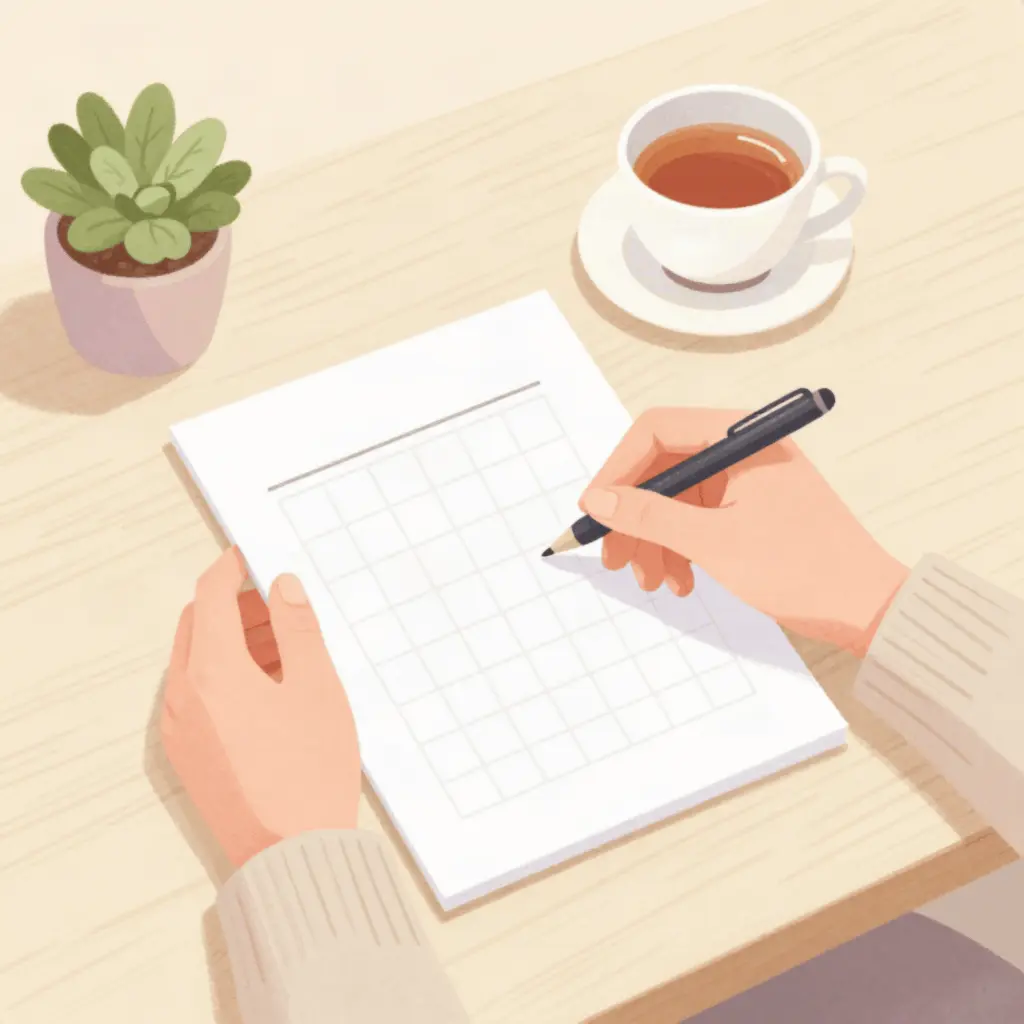
A record of your days gives your doctor facts, not only a feeling. Note:
- Pain each day on a 0 to 10 scale, and where it hurts
- Bleeding and spotting days, and the days of your pill break
- Bowel, bladder and other symptoms
- Days you missed work, study or plans
Endolog is a free download for this. You log pain severity, where it hurts on the pelvic body map, bleeding and other symptoms on the days they happen, so you can show your doctor how your pain changed on the new pill. A paper calendar works too.
When to go back to your doctor
See your doctor if:
- Your pain has not improved after about 3 months on the pill
- Your pain is worse than before you started
- Bleeding between periods is heavy, or does not settle
- Side effects make it hard to live your normal life
- You have new symptoms, such as pain with bowel movements or when you pee
Get urgent medical help if you have signs of a blood clot, such as a painful, swollen leg, chest pain or sudden shortness of breath.
Frequently asked questions
Can birth control make endometriosis worse?
There is no good evidence that it does. The pill makes endometriosis tissue less active, but it does not remove it, and it does not work for everyone. If your pain is worse on the pill, talk with your doctor about why.
Why do I still have pain on the pill?
Common reasons are the bleed in the hormone-free week, side effects in the first months, progesterone resistance, the endometriosis itself, or a different cause of pain. Your doctor can help you find out which one fits.
Should I stop the pill if my pain gets worse?
Do not stop on your own. Talk with your doctor first. If you stop the pill, you are no longer protected from pregnancy, and your doctor can help you choose what to try next.
Why did my pain get worse after I stopped the pill?
The pill can ease endometriosis pain for a while. When you stop it, the pain can come back.
Sources
- ESHRE guideline: endometriosis (Becker CM et al. Human Reproduction Open, 2022), European Society of Human Reproduction and Embryology (ESHRE)
- Progesterone receptor ligands for the treatment of endometriosis: the mechanisms behind therapeutic success and failure (Reis FM et al. Human Reproduction Update, 2020), Human Reproduction Update, via PubMed Central
- Oral contraceptives for pain associated with endometriosis (Brown J et al. Cochrane Database of Systematic Reviews, 2018), Cochrane, via PubMed
- Oral contraceptives and risk of endometriosis: a systematic review and meta-analysis (Vercellini P et al. Human Reproduction Update, 2011), Human Reproduction Update, via PubMed
- Combined pill: how to take it, NHS
- Combined pill: side effects and risks, NHS
This article is general information, not medical advice. Read how we write and check our articles in our editorial policy.
Explore this topic
Related articles

November 12, 2026
Progesterone for Endometriosis: How Progestins Work
Progesterone for endometriosis: how progestin treatment eases endometriosis pain, the main forms, what studies show, side effects and who should avoid it.
October 11, 2026
Myfembree Side Effects in Endometriosis and What to Track
Myfembree side effects in endometriosis: headache, hot flashes and mood changes, plus the blood clot warning, bone limits, contraception and what to track.
October 10, 2026
Mirena for Endometriosis and Adenomyosis: What to Expect
Mirena is a hormonal IUD that can ease endometriosis pain and adenomyosis bleeding. See the evidence, the first 6 months, side effects and what to track.
October 9, 2026
Lupron for Endometriosis: Side Effects and Add-Back Therapy
Lupron for endometriosis is a shot that lowers estrogen. Learn about the first-weeks flare, side effects, add-back therapy, bone loss and what to track.
October 8, 2026
Norethindrone (Aygestin) for Endometriosis: Side Effects and Results
Norethindrone (Aygestin 5 mg) for endometriosis: common and serious side effects, spotting, weight, how long it takes to work and what to track.
September 29, 2026
Orilissa (Elagolix) for Endometriosis: What to Expect and What to Track
Orilissa (elagolix) is a daily tablet for moderate to severe endometriosis pain. Learn how the two doses work, the time limits, side effects, bone and mood warnings, contraception and what to track for your doctor.