Endometriosis in Teens: Signs Not to Dismiss and What to Do

Yes, endometriosis can start in the teen years. It is diagnosed in girls and women from when their periods start through to menopause, and period pain that stops someone from doing their normal activities is not something to accept as normal.
Many adults with endometriosis can trace it back to their teens. In about 60% of adults with endometriosis, symptoms started before age 20. This guide is for parents of a teen with painful periods, and for adults who had these symptoms as teens and now want answers. It covers the signs that need a doctor, why diagnosis is often late, how doctors look into it, the first treatments and what to track. It is general information and not medical advice.
Signs that need a doctor
Some period pain is common. The signs below are different, because they point to a cause that a doctor can look for. Endometriosis is worth checking for, at any age, when there is one or more of these:
- Period pain that stops normal life. Pain that affects daily activities and quality of life, such as missed days of school, work, sport or time with friends. Missing days in a monthly pattern is a clue doctors look for.
- Pain that over-the-counter pain relief does not control. If a trial of paracetamol or an anti-inflammatory such as ibuprofen does not give enough relief, the next step is a further check. When teens with long-term pelvic pain do not get better with the pill or anti-inflammatories, about 70% are found to have endometriosis at keyhole surgery.
- Pain between periods. Pelvic pain that lasts a long time or does not follow the cycle, or lower tummy and back pain at other times.
- Bowel or bladder pain with periods. Painful bowel movements, pain when passing urine, or blood in the urine around a period.
- Heavy bleeding. Periods that soak through pads or tampons quickly. Our guide to signs of too much period bleeding explains what counts as heavy.
- Nausea with the pain. Pelvic pain together with nausea is one of the patterns that suggests endometriosis. Read more about nausea during a period.
- The pill was started for period pain. Taking the pill to treat period pain in the teen years is itself a reason to think about endometriosis.
A family history matters too. A mother or sister with endometriosis makes it more likely. Doctors also ask about an early first period and short cycles, which are other possible risk factors.
Other conditions can cause painful or heavy periods. Our guide to the causes of painful periods covers them.
Why diagnosis is often late in teens
Pain may start young, but diagnosis is almost always put off for several years. The main reasons for the delay are:
- Doctors and families do not always know the signs.
- Doctors and patients treat bad period pain as normal.
- There is little research on endometriosis in teens.
- Some doctors do not want to do surgery on a young person, because it is invasive.
Delay matters. Slow diagnosis and treatment can affect quality of life and let the disease progress. If a doctor tells your teen that the pain is "just periods" and it keeps stopping normal life, it is fair to ask again or ask for a second opinion. Our guide to medical gaslighting and endometriosis shows how to push back calmly.
If you had these symptoms as a teen
Your teen history is useful to your doctor now. Tell them when the pain started, if you missed days because of it, and if you were put on the pill for period pain. These are the same clues doctors look for in teens. Our step-by-step guide on how to get diagnosed with endometriosis explains the path for adults.
How doctors look into it
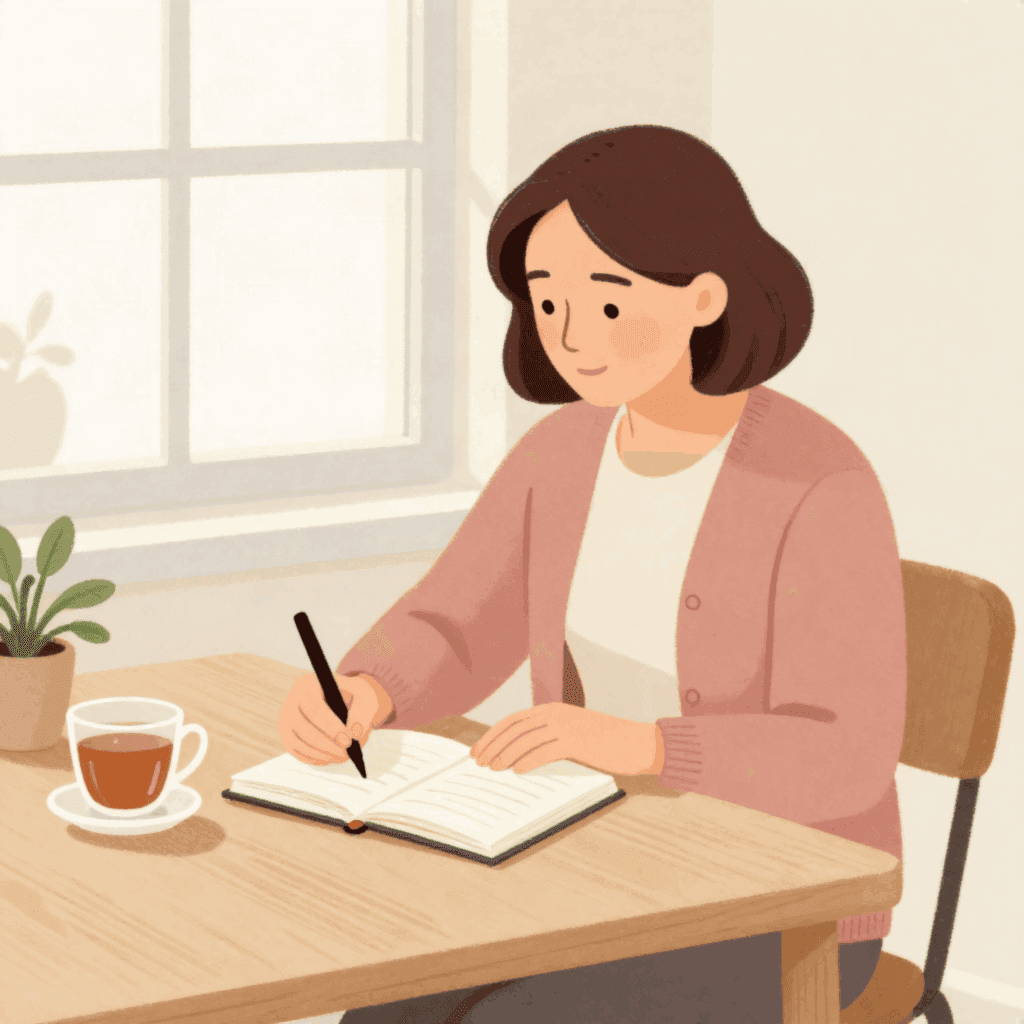
A few months of notes on pain days and missed days help a doctor see the pattern.
A check usually starts with questions and moves to tests only if needed.
- History and symptoms. The doctor asks about the pain, the periods, bowel and bladder symptoms and family history. A careful history is the first step in teens.
- Physical exam. An exam does not have to be internal. Before an internal or rectal exam, the doctor should talk with the teen and their parent or carer about whether it is acceptable. If an internal exam is declined or not suitable, a doctor can examine the tummy instead.
- Ultrasound. A teenager may be able to have the ultrasound on the abdomen or the perineum instead of inside the vagina. An internal scan is used when it is appropriate, as it finds endometriosis on the ovaries well.
- MRI. An MRI is another option when an internal scan is not appropriate, and it can find endometriosis deeper in the pelvis.
- Blood tests. A CA-125 blood test is not recommended to diagnose or rule out endometriosis in teens.
- Laparoscopy. Keyhole surgery is the only way to confirm endometriosis, but it is not needed to start treatment. In teens, it may be considered when scans are normal and pain relief and hormonal treatment have not worked.
A normal scan does not rule out endometriosis, because small patches are hard to see. In the UK, guidelines advise that young people aged 17 and under with suspected endometriosis are referred to a paediatric and adolescent gynaecology service or a specialist endometriosis service. Our guide to getting a specialist referral explains how to ask.
If endometriosis is found at surgery, it is described in stages. Our guide to endometriosis stages explains what each stage means.
First treatments for teens
Treatment usually starts with medicines, often at the same time as tests. Surgery is a later step.
- Pain relief. Anti-inflammatory medicines such as ibuprofen are an option for teens, especially if hormonal treatment is not suitable. A short trial of about 3 months of paracetamol or an anti-inflammatory, alone or together, is a common first step.
- Hormonal treatment. The pill, a progestogen tablet or a hormonal IUD are the first-line hormonal treatments for teens with severe period pain or endometriosis pain. Some progestogens may lower bone density, so ask the doctor about this. Hormonal treatment has no permanent effect on fertility later.
- Stronger hormone medicines. If the first treatments fail and keyhole surgery has confirmed endometriosis, GnRH agonists may be used for up to 1 year with add-back therapy. These are only for use after a careful talk with a specialist about side effects and long-term risks.
- Surgery. Removing endometriosis with keyhole surgery can help symptoms in teens, but symptoms often come back, especially without hormone treatment after surgery. If surgery is needed, it should be done by an experienced surgeon who removes all the endometriosis present, if possible.
Hormone medicines often help only while they are taken, and the pain often returns when they stop. For a full comparison, see our guide to endometriosis treatment options, or read about the Mirena hormonal IUD and dienogest (Visanne).
How to prepare for the visit
Keeping a pain and symptom diary helps the talk with the doctor. A few months of notes show a pattern that memory cannot. Write down:
- Pain days. The dates of pain, and whether they match the period or fall between periods.
- How bad it is. A score from 0 to 10 on the worst day. Our guide on how to describe period pain gives words that doctors understand.
- What helped. Each medicine, the dose, how often it was taken and if it worked.
- Missed activities. Days of school, work, sport or plans missed because of pain.
- Bowel and bladder symptoms. Pain when pooing or peeing, and any blood.
- Bleeding. How heavy the flow is and how often pads or tampons need changing.
- Other symptoms. Nausea, vomiting, tiredness or feeling faint.
- Family history. Any relative with endometriosis or very painful periods.
Endolog is a pain and symptom diary for endometriosis. You can log pain severity, where it hurts, bleeding, digestive, bowel and urinary symptoms, fatigue and flare notes, and take a clear PDF summary to the appointment. If you prefer paper, print the free pain diary or doctor appointment sheet.
When to get help
Get urgent medical help if there is:
- Sudden, severe pain in the belly or pelvis
- Pain with a fever, chills or vomiting that does not stop
- Fainting, or feeling very dizzy or weak
- Very heavy bleeding with dizziness or weakness
See a doctor soon if:
- Period pain causes missed days, month after month
- Over-the-counter pain relief does not control the pain
- There is pain between periods, or pain when pooing or peeing around a period
- Periods are very heavy, or come with nausea
Pain that stops normal life is a reason to see a doctor, not something to put up with.
Frequently asked questions
Can teenagers get endometriosis?
Yes. Endometriosis is diagnosed from when periods start, and it has been found in teens.
What are the first signs of endometriosis in teens?
Period pain that stops normal activities is the most common first sign. Other signs are pain between periods, nausea with pain, and pain with bowel movements or passing urine around a period.
Does my teen need an internal exam or surgery to be diagnosed?
No. The need for an internal exam should be discussed first, and an ultrasound can be done on the abdomen. Treatment can start without surgery.
Is the pill safe for teens with endometriosis?
The pill is a first-line treatment for teens with severe period pain or endometriosis pain. Hormonal treatment does not harm fertility later. Talk with the doctor about which option suits your teen.
Why does it take so long to diagnose endometriosis in teens?
Bad period pain is often treated as normal by doctors and patients, and the signs are not always known. As a result, diagnosis is often years late.
This article is for general information. It is not medical advice and does not replace advice from your own doctor. If you think you have an emergency, call 911 or your local emergency number.
Sources
- Endometriosis, NHS
- Endometriosis: diagnosis and management (NG73), recommendations, National Institute for Health and Care Excellence (NICE)
- ESHRE guideline: endometriosis (Becker CM et al. Human Reproduction Open, 2022), European Society of Human Reproduction and Embryology (ESHRE)
- Endometriosis: frequently asked questions, American College of Obstetricians and Gynecologists (ACOG)
- Endometriosis in adolescents is a hidden, progressive and severe disease that deserves attention, not just compassion (Brosens I et al. Human Reproduction, 2013), Human Reproduction
- Combating diagnostic delay of endometriosis in adolescents via educational awareness: a systematic review (Simpson CN et al. Cureus, 2021), Cureus
This article is general information, not medical advice. Read how we write and check our articles in our editorial policy.
Explore this topic
Related articles

October 12, 2026
Endometrioma (Chocolate Cyst): Symptoms, Scans and Treatment
An endometrioma is an ovarian cyst made of endometriosis tissue. Learn its symptoms, how it looks on ultrasound and MRI, fertility effects and treatment.

October 16, 2026
Endometriosis After a Hysterectomy: Can It Come Back?
Endometriosis after a hysterectomy can come back, because it grows outside the uterus. Learn what changes the chance, the signs, the tests and the options.

October 14, 2026
Endometriosis Stages 1 to 4: What They Mean and What They Miss
Endometriosis stages run from 1 (minimal) to 4 (severe) and are set at surgery. Learn what each stage means and why it does not show how much it hurts.
October 11, 2026
Myfembree Side Effects in Endometriosis and What to Track
Myfembree side effects in endometriosis: headache, hot flashes and mood changes, plus the blood clot warning, bone limits, contraception and what to track.

October 10, 2026
Mirena for Endometriosis and Adenomyosis: What to Expect
Mirena is a hormonal IUD that can ease endometriosis pain and adenomyosis bleeding. See the evidence, the first 6 months, side effects and what to track.

October 9, 2026
Lupron for Endometriosis: Side Effects and Add-Back Therapy
Lupron for endometriosis is a shot that lowers estrogen. Learn about the first-weeks flare, side effects, add-back therapy, bone loss and what to track.
